
Metal fabrication is a crucial industry that plays a significant role in various sectors, including construction, automotive, and manufacturing. As the demand for custom metal products continues to rise, so does the importance of metal fabrication shops. These facilities not only create components but also contribute to innovation and efficiency in production processes. This article delves into the various aspects of metal fabrication shops, exploring their operations, technologies, and the future of the industry.
Understanding Metal Fabrication
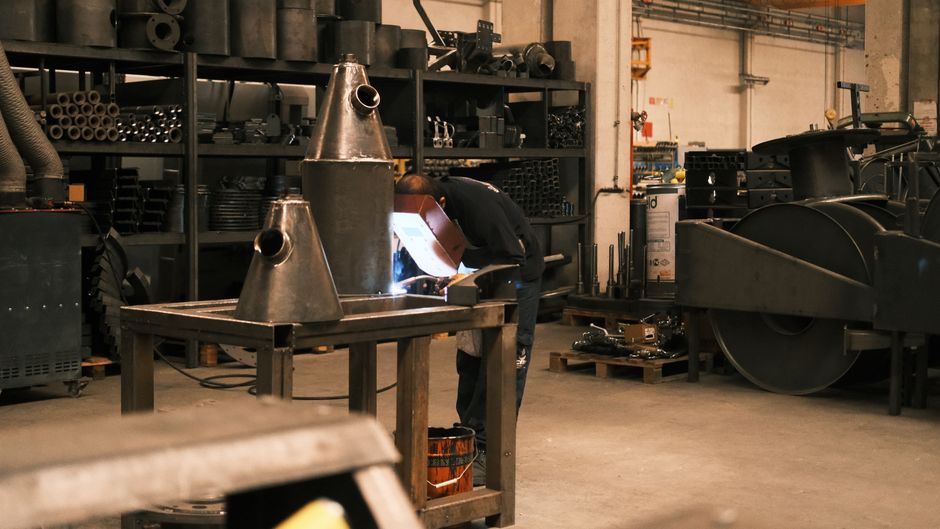
Metal fabrication involves the process of manipulating metal to create structures or components. This can include cutting, bending, welding, and assembling various metal materials. Metal fabrication shops serve as the backbone of this industry, providing the necessary tools and expertise to transform raw materials into finished products. The versatility of metal fabrication allows for a wide range of applications, from industrial machinery to artistic sculptures.
One of the key factors driving the growth of metal fabrication is the increasing demand for customized solutions. Companies are seeking tailored products that meet specific requirements, whether it’s a unique design for a building or specialized parts for machinery. This trend has led to the rise of metal fabrication shops that can provide bespoke services to their clients, enhancing their competitive edge in the market.
Key Processes in Metal Fabrication
Metal fabrication encompasses several processes, each essential to producing high-quality products. Cutting is often the first step, where raw metal sheets are sliced into desired shapes using tools like laser cutters or plasma cutters. Following cutting, bending processes shape the metal into specific angles and curves, allowing for greater design flexibility.
Welding is another critical aspect of metal fabrication, enabling the joining of different metal pieces. Techniques such as MIG (Metal Inert Gas) and TIG (Tungsten Inert Gas) welding are commonly employed in fabrication shops to ensure strong and durable connections. Assembly follows, where fabricated components are put together to create the final product. Each of these processes requires precision and skill, highlighting the importance of trained professionals in metal fabrication shops.
The Role of Technology in Metal Fabrication
Advancements in technology have revolutionized the metal fabrication industry. The introduction of computer-aided design (CAD) software has made it easier for fabricators to create detailed designs that can be easily modified. This technology also streamlines the transition from design to production, reducing lead times and improving efficiency.
Additionally, automation and robotics have become increasingly common in metal fabrication shops. Automated machines can perform repetitive tasks with high precision, allowing human workers to focus on more complex operations. This not only enhances productivity but also minimizes the risk of errors, leading to higher quality products.
Challenges Faced by Metal Fabrication Shops
Despite the advancements in technology and the growing demand for metal fabrication, shops face several challenges. One significant issue is the shortage of skilled labor. As the industry evolves, there is a pressing need for workers who are trained in modern fabrication techniques and technologies. This gap in skills can lead to delays and hinder growth for many fabrication shops.
Additionally, fluctuations in material prices can impact the profitability of metal fabrication businesses. Prices for metals can vary significantly based on market conditions, affecting the cost of production. Fabrication shops must navigate these fluctuations while maintaining competitive pricing for their customers.
The Future of Metal Fabrication Shops
The future of metal fabrication looks promising, with continued growth expected in various sectors. The push for sustainability is driving innovation within the industry, as companies seek eco-friendly materials and processes. Recycling metal is becoming more commonplace, reducing waste and promoting environmentally responsible practices.
Furthermore, the integration of smart technologies, such as the Internet of Things (IoT) and artificial intelligence (AI), will likely transform metal fabrication shops. These technologies can enhance monitoring and control processes, leading to more efficient operations and better product quality. As the industry adapts to these changes, metal fabrication shops will remain a vital component of the manufacturing landscape.
Conclusion
In conclusion, metal fabrication shops play an essential role in various industries by providing customized metal solutions. With advancements in technology and a focus on sustainability, these shops are poised for growth and innovation. As the demand for tailored metal products continues to rise, the importance of skilled professionals and modern techniques will only increase. Understanding the intricacies of metal fabrication can help businesses navigate this dynamic industry and leverage its potential for success.
For those looking to explore options for metal fabrication, working with a reputable metal fabrication shop can provide valuable insights and solutions tailored to specific needs.