
The industrial automation sector has experienced significant growth over the past decade, driven by advancements in technology and the increasing demand for efficiency in manufacturing processes. As companies strive to improve productivity and reduce operational costs, the role of industrial automation suppliers has become more critical than ever. This article explores the key aspects of industrial automation suppliers and their impact on modern manufacturing.
Understanding Industrial Automation
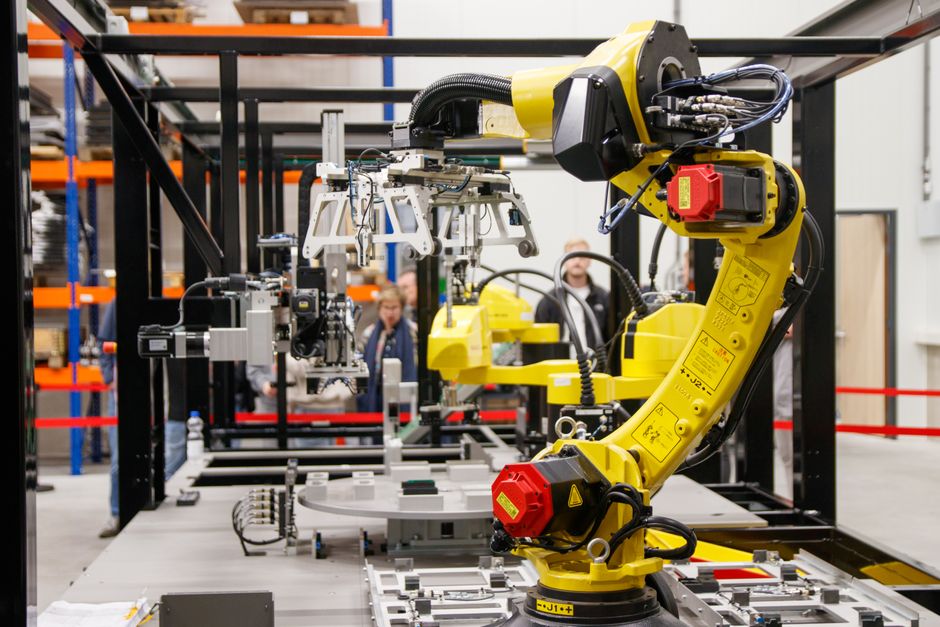
Industrial automation refers to the use of control systems such as computers or robots for handling different processes and machinery in an industry to replace human intervention. This transition to automated systems not only optimizes production processes but also enhances safety and reliability. Research shows that companies that adopt industrial automation can see productivity boosts of up to 30% within the first year of implementation.
Moreover, automation technologies such as IoT (Internet of Things), AI (Artificial Intelligence), and machine learning are reshaping the landscape of industrial operations. Suppliers in this space are tasked with providing the necessary tools and systems to facilitate this transition, ensuring that businesses remain competitive in a fast-evolving market.
The Role of Industrial Automation Suppliers
Industrial automation suppliers play a crucial role in the supply chain of manufacturing industries. They provide not only the hardware and software required for automation but also the expertise to integrate these solutions effectively into existing systems. This includes everything from programmable logic controllers (PLCs) to advanced robotics.
One of the key advantages of partnering with a reputable industrial automation supplier is access to cutting-edge technology and ongoing support. These suppliers often offer training and maintenance services, ensuring that their clients can fully leverage the benefits of automation technologies.
Current Trends in Industrial Automation
The landscape of industrial automation is constantly evolving, with several trends shaping the future of this sector. One significant trend is the rise of smart factories, where interconnected devices and systems communicate seamlessly to enhance operational efficiency. This trend is largely driven by advancements in IoT and cloud computing, allowing for real-time data analytics and decision-making.
Furthermore, the adoption of collaborative robots, or cobots, is on the rise. Unlike traditional robots that operate in isolation, cobots are designed to work alongside human workers, enhancing productivity and safety. According to a report by the International Federation of Robotics, the market for collaborative robots is expected to grow by 30% annually over the next five years.
Challenges Faced by Automation Suppliers
Despite the promising future of industrial automation, suppliers face several challenges. One major hurdle is the rapid pace of technological change, which necessitates continuous innovation and adaptation. Suppliers must stay ahead of industry trends while also meeting the specific needs of their clients.
Additionally, the integration of new technologies into existing systems can pose technical challenges. Suppliers must ensure that their solutions are compatible with legacy systems, which often requires significant expertise and resources.
The Future of Industrial Automation
Looking ahead, the future of industrial automation suppliers appears bright. As industries continue to embrace automation, the demand for reliable suppliers will only increase. Companies that invest in automation are likely to see improved efficiency, reduced costs, and enhanced product quality.
Moreover, as sustainability becomes a key focus for many manufacturers, automation suppliers are in a unique position to offer solutions that not only improve productivity but also reduce environmental impact. Innovations in energy-efficient technologies and waste reduction processes are just a few areas where suppliers can contribute to a more sustainable future.
Conclusion
In conclusion, industrial automation suppliers are vital to the success of modern manufacturing. Their role in providing innovative solutions and support is essential for companies looking to enhance efficiency and competitiveness. As the industry continues to evolve, suppliers must adapt to changing technologies and market demands to remain relevant. For businesses considering automation, partnering with a knowledgeable and experienced supplier is crucial to navigating the complexities of this transformative journey.