
Sheet metal fabrication is a crucial process in various industries, providing the foundation for countless products and structures. From automotive components to intricate electronic housings, the versatility and adaptability of sheet metal make it an essential material in modern manufacturing. This article delves into the intricacies of sheet metal fabrication, exploring its processes, advantages, and applications.
Understanding Sheet Metal Fabrication
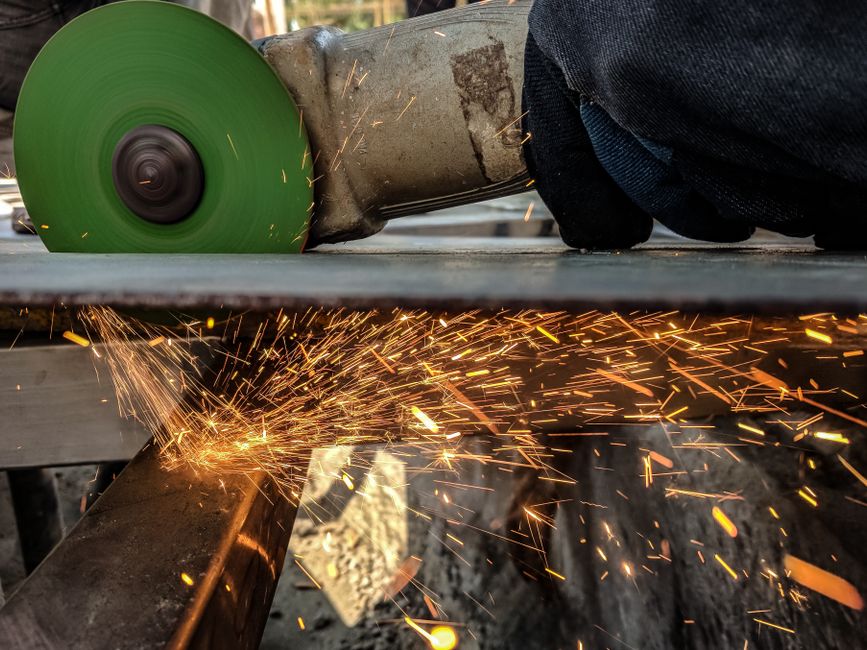
At its core, sheet metal fabrication involves transforming flat sheets of metal into various shapes and sizes through processes such as cutting, bending, and assembling. The most commonly used metals in this process include aluminum, steel, and copper, each offering unique properties that cater to different applications.
The fabrication process begins with design considerations, where engineers use computer-aided design (CAD) software to create detailed plans. These plans guide the fabrication process, ensuring accuracy and efficiency in producing the final product.
One of the key advantages of sheet metal fabrication is its ability to produce lightweight yet durable components. This characteristic is particularly valuable in industries such as aerospace, where weight reduction is critical for fuel efficiency.
Common Processes in Sheet Metal Fabrication
There are several fundamental processes involved in sheet metal fabrication, each serving a distinct purpose. Cutting is often the first step, where flat sheets are trimmed to the desired dimensions using tools such as laser cutters, water jets, or shears.
Once the sheets are cut, the next stage is bending, where the metal is shaped using press brakes or other bending machines. This process allows for the creation of complex geometries, enabling manufacturers to design intricate parts that meet specific requirements.
Finally, assembling involves joining different components together, often through welding, rivets, or adhesive bonding. This final step is critical for ensuring the structural integrity of the product.
Benefits of Sheet Metal Fabrication
One of the primary benefits of sheet metal fabrication is its cost-effectiveness. The process allows for mass production of parts, reducing the overall manufacturing costs compared to other methods. Additionally, the durability of the finished products means less frequent replacements, further driving down costs in the long run.
Moreover, sheet metal fabrication offers a high degree of customization. Manufacturers can easily modify designs to meet specific client requirements or adapt to changes in market demand. This flexibility is a significant advantage in industries that require rapid prototyping and production.
Finally, the sustainability of sheet metal fabrication cannot be overlooked. Many metal materials are recyclable, and the efficient use of resources minimizes waste, aligning with the growing emphasis on environmentally friendly manufacturing practices.
Applications Across Industries
The applications of sheet metal fabrication are vast and varied, spanning multiple sectors including automotive, aerospace, construction, and electronics. In the automotive industry, for instance, sheet metal is used to create body panels, brackets, and other structural components that contribute to vehicle safety and performance.
In the aerospace sector, precision-engineered sheet metal parts are essential for aircraft construction, where every ounce matters. These components must meet strict safety regulations while ensuring optimal performance, making advanced fabrication techniques necessary.
Furthermore, the construction industry relies heavily on sheet metal for roofing, siding, and structural supports in buildings. The durability and resistance to weathering make it a preferred choice for many construction applications.
Future Trends in Sheet Metal Fabrication
As technology continues to advance, the future of sheet metal fabrication looks promising. Innovations such as automation and robotics are streamlining processes, increasing productivity, and reducing labor costs. Automated systems can perform repetitive tasks with high precision, allowing human workers to focus on more complex challenges.
Additionally, the integration of artificial intelligence (AI) in design and production systems is enhancing the accuracy of fabrications. AI algorithms can analyze data from previous projects, predicting potential issues and optimizing designs before they reach the production stage.
Lastly, the rise of additive manufacturing techniques, such as 3D printing, is creating exciting possibilities in sheet metal fabrication. These methods allow for the rapid prototyping of complex designs that would be challenging to achieve through traditional fabrication processes.
Conclusion
Sheet metal fabrication is more than just a manufacturing process; it is an art form that combines precision engineering with innovative design. Its applications are widespread, impacting various industries and driving advancements in technology and sustainability. As the field continues to evolve, staying informed about the latest trends and techniques will be essential for professionals looking to leverage the full potential of sheet metal fabrication.