
In recent years, the luxury fashion market has experienced a significant transformation, with the emergence of luxury brand resellers becoming a dominant force. These platforms not only provide a marketplace for buyers and sellers but also play a crucial role in the sustainability of the fashion industry. In this article, we will explore the dynamics of the luxury brand reseller market, its impact on consumer behavior, and the future of this thriving business model.
Understanding the Luxury Brand Reseller Market
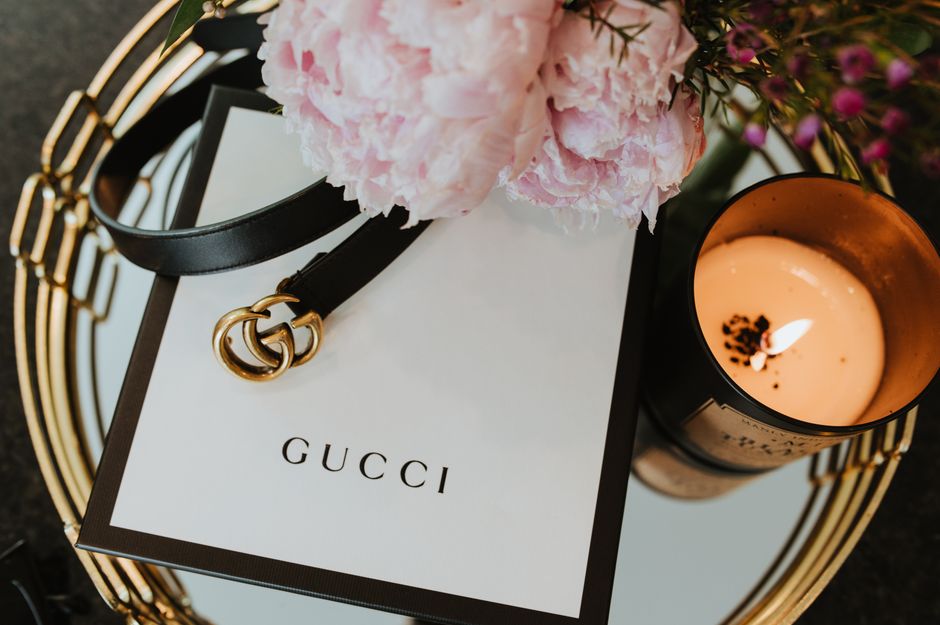
The luxury brand reseller market refers to businesses that specialize in the resale of pre-owned luxury goods, ranging from high-end handbags to designer apparel. Unlike traditional retail channels, these resellers offer consumers an opportunity to purchase authenticated second-hand items at a lower price point. According to a report by Bain & Company, the resale market for luxury goods is expected to grow by 15% annually, reaching $51 billion by 2023.
This growth can be attributed to several factors, including the increasing consumer interest in sustainability and the desire for unique fashion items. As consumers become more environmentally conscious, many are opting for pre-owned goods instead of purchasing new items. This trend not only reduces waste but also encourages a circular economy where luxury items can be enjoyed by multiple owners.
Furthermore, the rise of digital platforms has revolutionized the way consumers interact with luxury brands. Reseller websites have created user-friendly experiences that allow individuals to buy and sell luxury items with ease. These platforms often include authentication services, ensuring that buyers receive genuine products. As a result, trust and transparency have become paramount in this market.
Key Players in the Luxury Resale Space
Several notable players have emerged in the luxury brand reseller industry, each with its own unique approach to the market. Companies like The RealReal, Vestiaire Collective, and Poshmark have carved out significant niches within this space. The RealReal, for instance, focuses on high-end luxury items and offers a rigorous authentication process, making it a go-to platform for discerning consumers.
In contrast, Vestiaire Collective operates as a global community of fashion lovers, allowing users to buy and sell luxury items while fostering a sense of belonging. This social aspect has contributed to its success, attracting a younger demographic interested in sustainable fashion.
Moreover, the emergence of niche resellers, such as those focusing exclusively on specific brands or types of products, has added further diversity to the market. As consumers become more specialized in their fashion tastes, these niche resellers can provide tailored offerings that appeal to specific audiences.
Challenges Facing Luxury Brand Resellers
Despite the thriving nature of the luxury brand reseller market, challenges remain. One of the primary concerns is the issue of counterfeit goods. As the demand for luxury items increases, so does the risk of counterfeit products entering the market. Resellers must invest in robust authentication processes to ensure the integrity of their offerings.
Additionally, competition among resellers can lead to price wars, which may undermine the perceived value of luxury goods. As consumers become accustomed to lower prices, the exclusivity associated with luxury brands may diminish. To combat this issue, resellers must focus on providing exceptional customer service and building strong brand identities.
Furthermore, the evolving landscape of online retail presents its own set of challenges. Resellers must stay ahead of technological advancements and consumer preferences to remain competitive in a rapidly changing market. This includes leveraging social media for marketing, utilizing data analytics for inventory management, and enhancing user experiences on their platforms.
The Future of Luxury Brand Resellers
The future of luxury brand resellers looks promising, with continued growth anticipated in the coming years. As consumers increasingly prioritize sustainability and unique fashion experiences, the demand for pre-owned luxury goods is likely to rise further. This trend will encourage more individuals to explore the resale market, contributing to its expansion.
Moreover, the integration of technology in the luxury resale space is expected to transform the shopping experience. Innovations such as virtual try-ons, augmented reality, and blockchain for authentication can enhance consumer trust and engagement. Resellers that embrace these technologies will likely gain a competitive edge in the market.
Ultimately, the luxury brand reseller market represents a shift in consumer behavior and a redefinition of what luxury means in today’s world. As more individuals seek out sustainable and unique fashion items, resellers will play a crucial role in shaping the future of the industry. To learn more about how to navigate the luxury resale space, many enthusiasts turn to platforms that specialize in luxury brand reselling, such as luxury brand reseller websites, which provide valuable insights and resources.
Conclusion
In conclusion, the luxury brand reseller market is rapidly evolving, fueled by changing consumer preferences and technological advancements. As sustainability becomes a priority for many consumers, the demand for pre-owned luxury goods will continue to grow. Key players in the market are adapting to these changes by offering authentic products and engaging consumer experiences. While challenges such as counterfeit goods and competition remain, the future of luxury brand resellers appears bright, promising a new era of luxury consumption that values sustainability and individuality.