
The luxury fashion market has undergone a remarkable transformation in recent years, with the emergence of luxury brand resellers leading the charge. These resellers are not just selling high-end goods; they are reshaping the way we think about luxury, accessibility, and sustainability in fashion. This article delves into the world of luxury brand reselling, exploring its rise, the key players, and what it means for both consumers and brands.
The Emergence of Luxury Brand Reselling
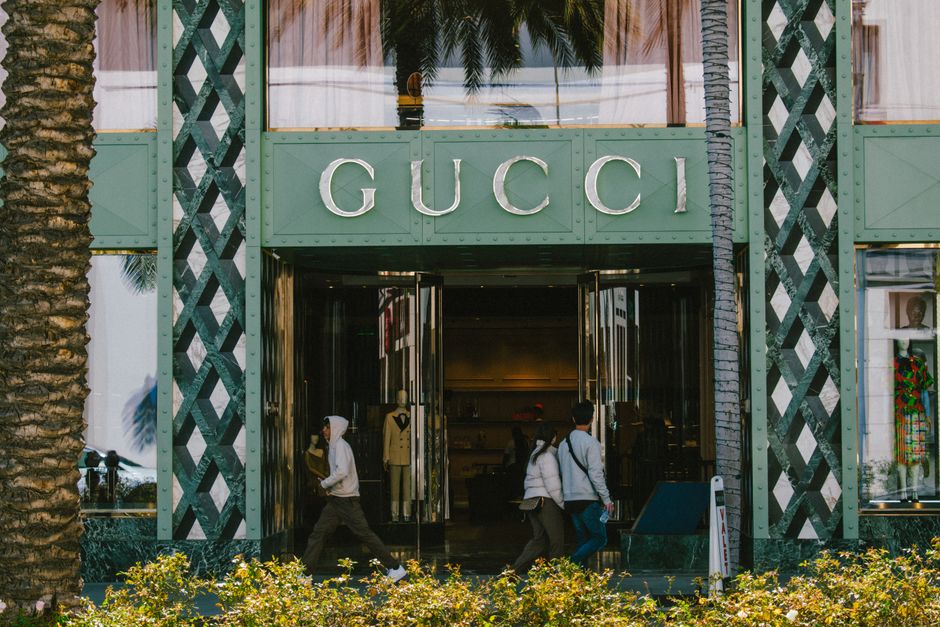
Luxury brand reselling has grown exponentially over the past decade, driven by a combination of factors. The digital revolution has made it easier for consumers to buy and sell luxury items online, creating a vast marketplace. According to a report by Bain & Company, the resale market for luxury goods is expected to reach $64 billion by 2025, a significant increase from $28 billion in 2019.
This growth is attributed to changing consumer attitudes towards ownership and sustainability. Millennials and Gen Z consumers, in particular, are more inclined to purchase second-hand items, viewing them as not only more affordable but also more environmentally friendly. This shift in mindset is prompting luxury brands to rethink their strategies and engage with the resale market.
How Luxury Brand Resellers Operate
Luxury brand resellers typically operate through online platforms, where they curate a selection of pre-owned items from various high-end brands. They authenticate products to ensure quality and legitimacy, which is crucial in maintaining consumer trust. Some notable players in the market include The RealReal, Vestiaire Collective, and Poshmark.
These platforms often employ a commission-based model, taking a percentage of each sale. This allows sellers to profit from their luxury items while providing buyers access to high-quality goods at lower prices. Furthermore, the convenience of online shopping and the ability to browse a wide range of products from the comfort of home has made luxury resale a popular choice for many consumers.
The Impact on Luxury Brands
Luxury brands are beginning to see the benefits of engaging with the resale market. While some have historically viewed it as a threat to their exclusivity, many are now recognizing the potential for increased brand loyalty and customer engagement. By collaborating with resellers or launching their own resale initiatives, brands can tap into a new customer base while promoting sustainability.
For instance, brands like Gucci and Stella McCartney have taken steps to embrace the resale market by launching their own platforms for pre-owned items. This not only helps them control the narrative around their products but also demonstrates a commitment to sustainability, which resonates with today’s eco-conscious consumers.
Challenges and Considerations
Despite its rapid growth, the luxury resale market is not without challenges. Issues such as counterfeit goods, pricing discrepancies, and varying quality standards can pose problems for both consumers and resellers. Authenticating luxury items remains a critical aspect of the resale process, as consumers need to be assured of the legitimacy of their purchases.
Moreover, as the market becomes increasingly saturated, resellers must differentiate themselves to attract customers. This may involve offering unique services, such as personalized styling advice or exclusive access to limited-edition items. Resellers who can create a strong brand identity and foster a loyal community will be well-positioned for success.
The Future of Luxury Brand Reselling
Looking ahead, the luxury brand reselling market is poised for continued growth. As consumers become more aware of the environmental impact of fast fashion, the demand for second-hand luxury goods is likely to increase. Resellers will play a crucial role in promoting this sustainable approach to fashion.
Furthermore, technological advancements such as artificial intelligence and blockchain may help enhance the authentication process, making it easier for consumers to trust the products they are purchasing. This could lead to a more streamlined and efficient resale market, benefiting both consumers and resellers alike.
In conclusion, the rise of the luxury brand reseller represents a significant shift in the fashion industry. By embracing this trend, both consumers and brands can benefit from a more sustainable and accessible approach to luxury fashion. For those looking to navigate this new landscape, partnering with a reputable luxury brand reseller can provide valuable insights and opportunities.
Conclusion
The luxury brand reselling market is not just a passing trend; it is a reflection of changing consumer values and the growing importance of sustainability in fashion. As the market continues to evolve, both consumers and brands must adapt to this new reality. By understanding the dynamics of luxury reselling, individuals can make informed purchasing decisions while brands can explore innovative ways to engage with their customers. The future of fashion is here, and it is more inclusive and sustainable than ever before.