
In the highly competitive world of dining, the interior design of a restaurant plays a pivotal role in attracting and retaining customers. A well-thought-out interior not only enhances the dining experience but also reflects the restaurant’s brand identity. As consumers increasingly seek unique experiences, the importance of thoughtful restaurant interior design cannot be overstated. This article delves into the various elements and trends that define successful restaurant interiors.
The Importance of First Impressions
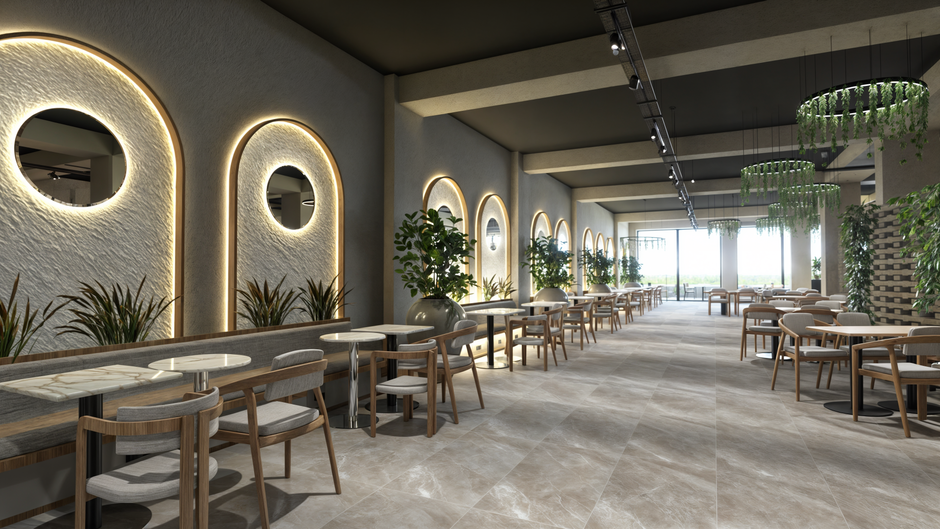
When patrons walk into a restaurant, their initial impression is formed within seconds. Research indicates that a significant percentage of customers will decide whether to return based on the ambiance created by the interior design. Elements such as lighting, color schemes, and furniture layout contribute to this immediate perception. For instance, warm lighting can create a cozy atmosphere, while bright colors may invoke energy and excitement.
A case study of a successful restaurant in New York highlights how strategic design choices can elevate a dining experience. The restaurant utilized varied seating arrangements, including intimate booths and communal tables, which encouraged different dining experiences. This approach not only maximized space but also catered to diverse customer preferences.
Creating a Cohesive Brand Identity
The interior design of a restaurant should seamlessly align with its overall brand identity. This includes the selection of materials, colors, and decor that resonate with the restaurant’s theme and target audience. For example, a fine dining establishment may opt for luxurious materials like velvet and marble, while a casual eatery might choose rustic wood and vibrant textiles.
One notable example is a contemporary Italian restaurant that incorporated traditional Italian elements into its design through the use of terracotta tiles and vintage signage. This not only enhanced the authenticity of the dining experience but also attracted customers looking for a genuine culinary journey.
Incorporating Sustainable Practices
As environmental consciousness grows among consumers, many restaurants are adopting sustainable design practices. This includes using eco-friendly materials, energy-efficient lighting, and incorporating plants to improve air quality. A trend that has gained traction is the use of reclaimed wood for furniture and decor, which not only reduces waste but also adds character to the space.
Additionally, restaurants are increasingly utilizing biophilic design principles, which emphasize the connection between nature and indoor spaces. This can be seen in establishments that incorporate living walls or large windows that allow natural light to flood the interior. Such design choices not only create a pleasant dining environment but also contribute to the overall well-being of patrons.
Flexibility and Adaptability in Design
In today’s fast-paced environment, flexibility in restaurant design is paramount. Many successful establishments are opting for modular furniture and adaptable layouts that can be easily reconfigured for different events or seasons. This approach not only maximizes space but also allows restaurants to stay relevant in a dynamic market.
A prime example of this adaptability is a restaurant that transforms its outdoor patio into a vibrant dining area during the summer months. By using movable partitions and flexible seating arrangements, the space can quickly adjust to accommodate larger groups or private events. Such versatility can significantly enhance customer satisfaction and operational efficiency.
Trends in Restaurant Interior Design
As we look ahead, several key trends are shaping the future of restaurant interior design. One notable trend is the rise of minimalism, where simplicity and functionality take center stage. This design philosophy emphasizes clean lines and uncluttered spaces, allowing the food to be the main focus.
Another trend is the incorporation of technology into the dining experience. Interactive elements such as digital menus and augmented reality features are becoming more common, enhancing customer engagement. Restaurants that effectively blend technology with design can create a unique experience that sets them apart from competitors.
Lastly, the importance of community cannot be overlooked. Many restaurants are designing spaces that encourage social interaction, such as communal dining tables or open kitchens where diners can watch their meals being prepared. This sense of connection can significantly enhance the overall dining experience and foster customer loyalty.
Conclusion
In conclusion, the significance of thoughtful restaurant interior design cannot be underestimated. It is a vital component that influences customer perceptions, reflects brand identity, and creates memorable dining experiences. As trends continue to evolve, restaurant owners must stay attuned to the changing preferences of their customers. By embracing innovative design practices and prioritizing sustainability, restaurants can not only attract patrons but also cultivate a loyal customer base. For those looking to delve deeper into the world of restaurant interior design, exploring various styles and trends can provide valuable insights into creating a captivating dining environment.