
In today’s fast-paced economy, distributors play a crucial role in ensuring that products reach consumers efficiently and effectively. They act as the vital link between manufacturers and retailers, facilitating the flow of goods and services. This article delves into the multifaceted role of distributors, exploring their functions, challenges, and the evolving landscape of distribution in the digital age.
Understanding the Role of Distributors
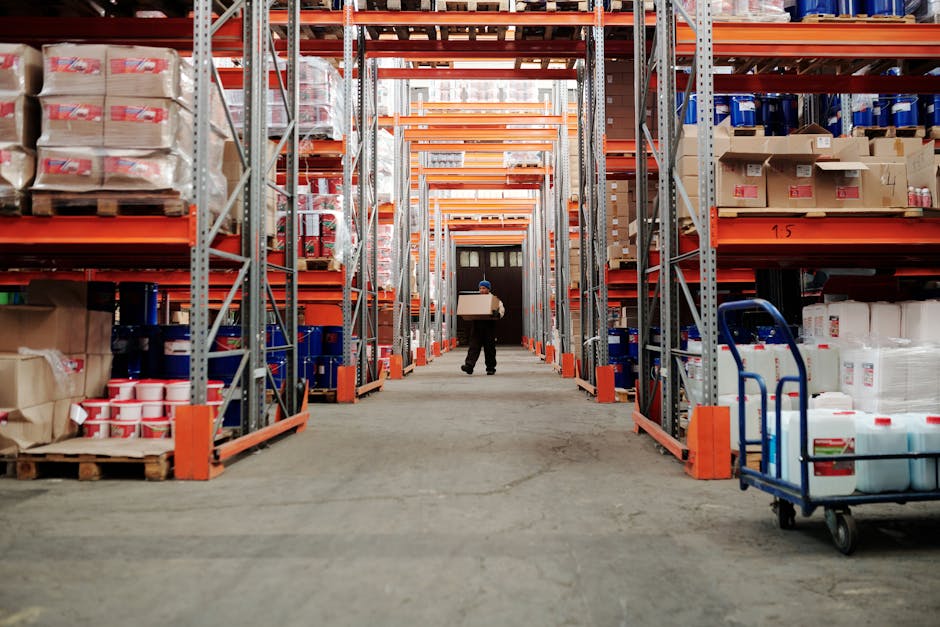
Distributors are intermediaries that help manufacturers deliver their products to the market. They purchase goods in bulk from manufacturers and then sell them to retailers or directly to consumers. This process not only helps manufacturers reach a broader audience but also allows retailers to stock a variety of products without needing to invest heavily in inventory.
One of the primary functions of distributors is to manage logistics. They handle warehousing, inventory management, and transportation, ensuring that products are available when and where they are needed. This logistical expertise can significantly reduce the time it takes for products to reach the market, enhancing customer satisfaction.
Moreover, distributors often provide additional services such as marketing support, product training, and customer service. By leveraging their industry knowledge, they can help manufacturers position their products effectively in the market, ultimately driving sales.
The Challenges Faced by Distributors
Despite their importance, distributors face several challenges in the current market landscape. One significant issue is the rise of e-commerce, which has transformed consumer purchasing behavior. As more consumers turn to online shopping, traditional distribution channels must adapt to meet this demand.
Additionally, distributors must navigate complex supply chain dynamics. Fluctuating demand, global sourcing, and geopolitical factors can all impact the availability and cost of products. For example, disruptions caused by natural disasters or trade disputes can lead to delays and increased costs, which distributors must manage effectively.
Furthermore, technology plays a dual role in the distribution industry. While it offers opportunities for efficiency through automation and data analytics, it also requires distributors to continuously adapt and invest in new tools and systems. Those that fail to keep pace with technological advancements risk losing their competitive edge.
The Evolution of Distribution in the Digital Age
The rise of technology has led to significant changes in how distribution operates. E-commerce platforms, for instance, have enabled distributors to reach consumers directly, bypassing traditional retail channels. This shift has created new opportunities for distributors to engage with customers and tailor their offerings to meet specific needs.
Moreover, data analytics has become increasingly important in the distribution sector. By analyzing consumer behavior and market trends, distributors can make informed decisions about inventory levels, pricing strategies, and promotional campaigns. This data-driven approach helps optimize operations and enhance profitability.
Additionally, the integration of advanced logistics technologies, such as drones and automated warehouses, is transforming the distribution landscape. These innovations can improve delivery times and reduce operational costs, providing a competitive advantage for distributors willing to invest in their infrastructure.
Case Studies: Successful Distributors in Action
To illustrate the impact of effective distribution strategies, let’s look at a few successful distributors. One notable example is a company that specializes in health supplements, which has leveraged its distribution network to provide customers with quick access to popular products.
This distributor not only manages inventory efficiently but also utilizes online platforms to market products directly to consumers. By employing targeted marketing strategies, such as personalized email campaigns and social media ads, they have significantly increased their market reach.
Another example is a technology distributor that has embraced automation to streamline its operations. By implementing an automated order processing system, they have reduced errors and improved order fulfillment times, leading to higher customer satisfaction levels.
Future Trends in Distribution
As we look to the future, several trends are likely to shape the distribution industry. Sustainability is becoming increasingly important, with consumers demanding eco-friendly practices. Distributors that adopt sustainable practices, such as reducing packaging waste and optimizing transportation routes, will likely gain a competitive advantage.
Additionally, the rise of omnichannel retailing is forcing distributors to rethink their strategies. To remain relevant, they must provide seamless experiences across various channels, including online and offline. This may involve investing in technology that enhances inventory visibility and enables real-time tracking.
Finally, the continued growth of e-commerce will drive innovation in distribution models. Distributors may explore partnerships with last-mile delivery services or invest in their own delivery fleets to ensure timely product availability.
Conclusion
In conclusion, distributors play a pivotal role in the supply chain, facilitating the flow of goods and services from manufacturers to consumers. While they face numerous challenges, the evolution of technology and changing consumer behavior present both opportunities and threats. By adapting to these changes and embracing innovative practices, distributors can enhance their effectiveness and continue to thrive in a competitive marketplace. As the industry progresses, the role of distributors will undoubtedly remain critical, underscoring the importance of their contributions to economic growth and consumer satisfaction. For those interested in enhancing their health and wellness, products like BPC157+TB500 are examples of how distributors can effectively deliver specialized products to meet consumer needs.