
As more individuals seek solutions for hair loss, hair transplant procedures have gained significant traction in recent years. This guide aims to provide a detailed overview of hair transplants, including the different techniques available, potential benefits and risks, and what to expect during and after the procedure. Whether you’re considering a hair transplant for yourself or simply wish to learn more about the subject, understanding the nuances of this procedure is essential.
Understanding Hair Loss
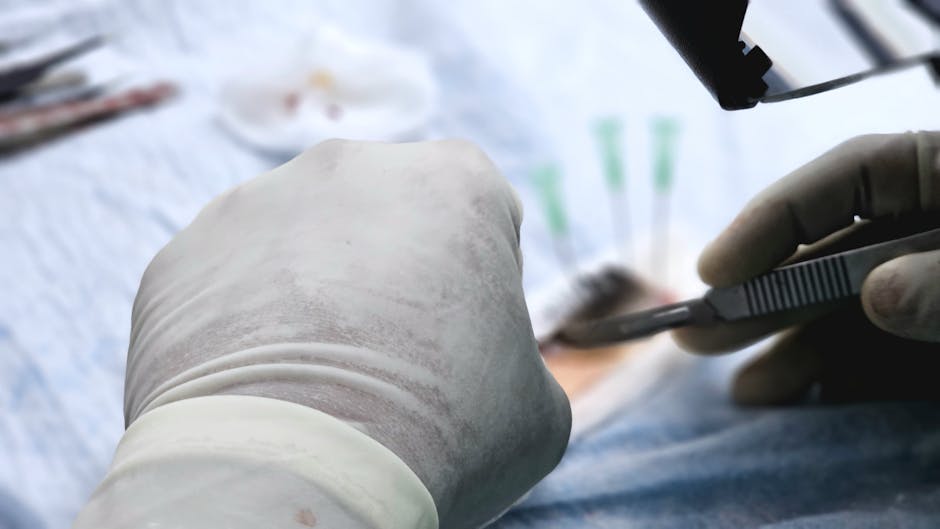
Before diving into the specifics of hair transplants, it is important to understand the underlying causes of hair loss. Common reasons include genetic predisposition, hormonal changes, medical conditions, and even stress. According to the American Academy of Dermatology, nearly 80 million Americans experience hair loss. This statistic underscores the growing demand for effective hair restoration solutions.
Genetic hair loss, often referred to as androgenetic alopecia, is the most prevalent form and affects both men and women. In men, it typically manifests as a receding hairline and thinning at the crown, while women may experience overall thinning across the scalp. Understanding these patterns can help individuals determine the most appropriate intervention for their situation.
Types of Hair Transplant Techniques
There are primarily two techniques utilized in hair transplantation: Follicular Unit Transplantation (FUT) and Follicular Unit Extraction (FUE). Each method has its own advantages and is suitable for different types of patients.
FUT involves removing a strip of skin from the back of the scalp, from which individual hair follicles are then extracted and implanted in the thinning areas. This method is beneficial for those requiring a larger number of grafts and generally results in a more cost-effective solution.
On the other hand, FUE involves individually extracting hair follicles from the scalp without the need for a linear incision. This technique is less invasive, leaving minimal scarring, and is often preferred by those who want to wear shorter hairstyles post-procedure. The choice between these methods largely depends on personal preference, the extent of hair loss, and the surgeon’s recommendation.
The Procedure: What to Expect
On the day of the procedure, patients can expect a thorough consultation with their surgeon to finalize the treatment plan. Anesthesia is administered to ensure comfort throughout the procedure, which can take anywhere from four to eight hours, depending on the method and the number of grafts being transplanted.
Post-procedure, it is common for patients to experience some swelling and discomfort, which can typically be managed with prescribed medication. The initial healing period lasts about 7 to 10 days, during which patients are advised to avoid strenuous activities and follow specific aftercare instructions to promote optimal healing.
Results and Aftercare
Results from hair transplants can vary widely among individuals, with most patients beginning to see noticeable growth within three to six months. Full results can take up to a year, and it’s crucial to have realistic expectations during this time. Regular follow-ups with the surgeon can help monitor progress and address any concerns.
Aftercare plays a significant role in the success of the transplant. Patients are typically advised to avoid sun exposure, refrain from strenuous exercise, and use gentle hair care products to ensure the best possible outcomes. In some cases, additional treatments, such as PRP (Platelet-Rich Plasma) therapy, may be recommended to enhance results.
Choosing the Right Clinic
When considering a hair transplant, selecting a reputable clinic is vital. Researching credentials, reading reviews, and consulting with multiple clinics can help ensure the best possible care. Many individuals are opting for procedures abroad, particularly in places like Turkey, which is known for offering high-quality services at competitive prices. For those looking into this option, clinics such as hair transplant turkey provide a comprehensive overview of available services and patient testimonials.
Ultimately, making an informed decision about where to have a hair transplant is essential for achieving desired results and ensuring a positive experience. Always prioritize clinics that uphold strict standards of hygiene and patient care.
Conclusion
Hair transplants present a viable solution for those struggling with hair loss, offering the potential for restored confidence and improved appearance. Understanding the causes of hair loss, the techniques available, and the importance of aftercare can empower individuals to make informed decisions. As you embark on this journey, remember that patience and research are key components in achieving successful outcomes.