
Maintaining a septic tank is crucial for homeowners, especially in rural areas where municipal sewage systems are not available. Septic tanks play a vital role in wastewater management, and regular cleaning is essential to ensure their proper functioning. This article will explore the importance of septic tank cleaning, the cleaning process, signs that your tank needs attention, and tips for effective maintenance.
Why Regular Septic Tank Cleaning is Important
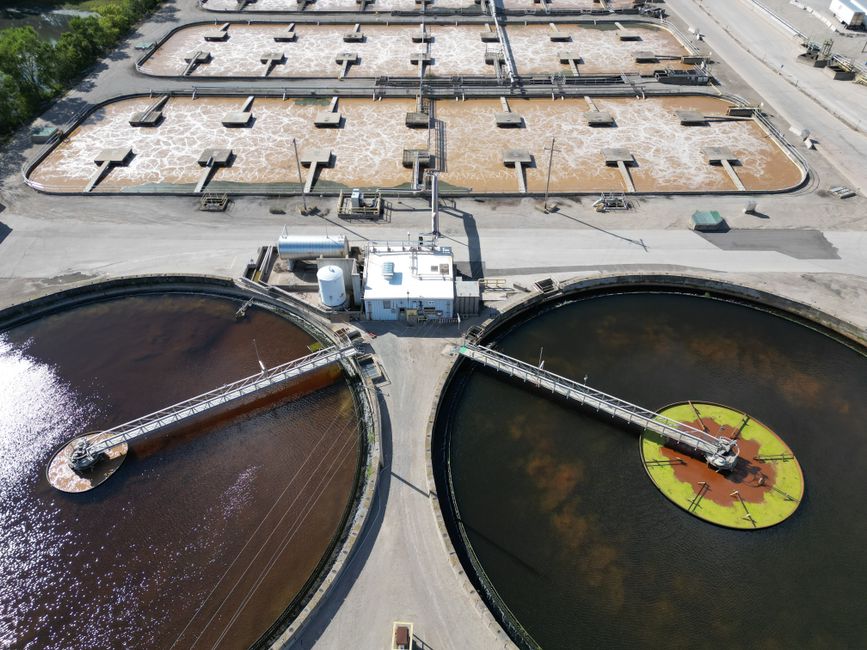
Septic tanks are designed to treat wastewater by separating solids from liquids. Over time, the accumulation of solids can lead to clogs, unpleasant odors, and even system failures. Regular cleaning helps prevent these issues, ensuring that the system operates efficiently.
According to the Environmental Protection Agency (EPA), septic tanks should be pumped every 3 to 5 years, depending on the size of the tank and the household’s water usage. Failing to clean your septic tank regularly can lead to costly repairs and potential environmental hazards.
Moreover, a well-maintained septic system is essential for protecting groundwater quality. When septic systems fail, untreated sewage can leach into the soil, posing health risks to nearby residents and wildlife. Therefore, keeping your septic tank clean is not just a matter of convenience; it’s a responsibility towards the community and the environment.
The Septic Tank Cleaning Process
The process of septic tank cleaning typically involves several steps. First, a professional will locate the tank and access its lid. This might require digging if the tank is buried. Next, a vacuum truck is used to remove the sludge and scum that have accumulated at the bottom of the tank.
After the tank is emptied, it’s essential to inspect it for any signs of damage or wear. Cracks or leaks can compromise the system’s integrity and lead to failures. If any issues are found, they should be addressed immediately to prevent further complications.
Once the cleaning and inspection are complete, the tank is usually refilled with water. It’s crucial to allow the tank to settle before using the system again. This process typically takes a few hours, but it’s essential to follow the professional’s recommendations to ensure the system is functioning correctly.
Signs Your Septic Tank Needs Cleaning
Recognizing the signs that your septic tank needs cleaning can save you from significant headaches and expenses. Some common indicators include:
- Slow Drains: If your sinks, showers, or toilets are draining slowly, it could be a sign that your septic tank is full.
- Unpleasant Odors: Foul smells around your property or near the drain field may indicate a problem with your septic system.
- Pooling Water: If you notice water pooling in your yard, especially near the septic tank or drain field, it could signify a backup.
- Gurgling Sounds: Unusual gurgling noises from your plumbing can indicate that air is trapped in the system due to a blockage.
If you notice any of these signs, it’s essential to contact a professional for an inspection and cleaning. Ignoring these warning signs can lead to more severe issues, including system failure.
Effective Septic Tank Maintenance Tips
In addition to regular cleaning, there are several maintenance practices homeowners can adopt to prolong the life of their septic systems:
- Limit Water Usage: Reducing water usage can help prevent overloading the septic system. Simple steps, like fixing leaks and using water-efficient appliances, can make a significant difference.
- Avoid Flushing Non-Biodegradable Items: Items like wipes, feminine hygiene products, and grease should never be flushed down the toilet or sink, as they can cause clogs and backups.
- Regular Inspections: Schedule routine inspections with a professional to check for any potential issues before they become significant problems. Regular septic maintenance can save you money in the long run.
- Protect the Drain Field: Avoid parking vehicles or planting trees near the drain field, as this can compact the soil and damage the system.
By following these maintenance tips, you can help ensure that your septic system remains in good working order for years to come.
Conclusion
Septic tank cleaning is an essential part of home maintenance that should not be overlooked. Regular cleaning and maintenance can prevent costly repairs, protect the environment, and ensure the system operates effectively. By being aware of the signs that your septic tank needs attention and implementing effective maintenance practices, you can enjoy peace of mind knowing your wastewater system is functioning correctly. Don’t wait for a problem to arise; take proactive steps to maintain your septic tank today.