
In recent years, organic farming has gained immense popularity as consumers increasingly seek sustainable and environmentally friendly food options. This shift has sparked a growing demand for organic farming supplies, which play a crucial role in ensuring the success of organic agricultural practices. From seeds to fertilizers, the right tools can make a significant difference in crop yield and quality. In this article, we will explore the essential organic farming supplies, their benefits, and how to choose the right products for your farm.
Understanding Organic Farming Supplies
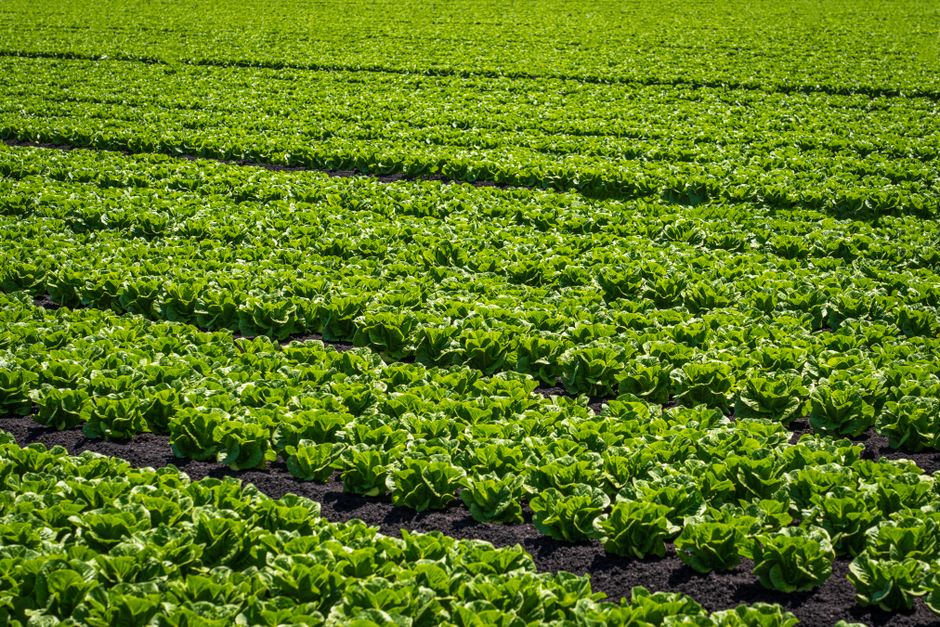
Organic farming supplies refer to the products and materials used in the cultivation of organic crops. These supplies must comply with strict organic standards, which prohibit the use of synthetic fertilizers, pesticides, and genetically modified organisms (GMOs). Organic farming emphasizes the use of natural inputs and sustainable practices to maintain soil health and promote biodiversity.
Some common organic farming supplies include organic seeds, natural fertilizers, pest control products, and soil amendments. Choosing the right supplies is essential for achieving optimal growth and maintaining the integrity of the organic farming system.
Organic Seeds: The Foundation of Organic Farming
Organic seeds are the starting point for any organic farm. These seeds are produced without synthetic chemicals and are often bred for resilience and adaptability to local conditions. When selecting organic seeds, it is crucial to choose varieties that are well-suited to your climate and soil type. Additionally, opting for heirloom or open-pollinated seeds can enhance biodiversity on your farm.
Investing in high-quality organic seeds can lead to healthier plants and higher yields. According to recent studies, crops grown from organic seeds tend to exhibit greater resistance to diseases and pests, resulting in less reliance on external pest management strategies.
Natural Fertilizers: Nourishing the Soil
Natural fertilizers are an essential component of organic farming supplies. Unlike synthetic fertilizers, which can degrade soil health over time, natural fertilizers enhance soil fertility and structure. Common types of natural fertilizers include compost, manure, and plant-based amendments such as alfalfa meal and bone meal.
Composting is a particularly effective way to recycle organic waste while enriching the soil. A well-balanced compost can provide essential nutrients and improve soil moisture retention. For instance, incorporating compost into your soil can increase its nutrient-holding capacity by 30-50%, leading to healthier crops.
Pest Control: Protecting Your Crops Naturally
Managing pests is a significant challenge in organic farming, but there are numerous organic pest control products available that can help protect crops without resorting to harmful chemicals. Solutions such as neem oil, insecticidal soap, and diatomaceous earth are popular among organic farmers.
Additionally, integrated pest management (IPM) strategies can be employed to minimize pest impact. This approach encourages the use of beneficial insects, crop rotation, and cultural practices to deter pests naturally. By using organic pest control methods, farmers can protect their crops while preserving the ecosystem.
Soil Amendments: Enhancing Soil Health
Soil amendments are crucial for maintaining healthy soil in organic farming. These products can improve soil structure, increase nutrient availability, and enhance water retention. Common soil amendments include lime, gypsum, and various organic matter sources.
Regular soil testing can help determine the specific amendments needed for your farm. For example, adding lime can raise the pH of acidic soils, making essential nutrients more accessible to plants. Overall, investing in the right soil amendments can lead to improved crop performance and sustainability.
Where to Find Quality Organic Farming Supplies
Finding reliable sources for organic farming supplies is essential for success. Many local garden centers and agricultural supply stores offer a range of organic products. However, for a more extensive selection, online retailers can be a great option. Websites specializing in organic farming supplies often provide detailed product descriptions and user reviews, helping you make informed decisions.
A reputable online store for organic farming supplies can offer everything from organic seeds to natural pest control products, ensuring you have access to the best materials for your farming needs.
Conclusion
Organic farming is not just a trend; it represents a fundamental shift in how we produce food. By utilizing the right organic farming supplies, farmers can cultivate healthy crops while promoting environmental sustainability. From selecting quality seeds to implementing natural pest control methods, every decision counts in creating a thriving organic farm. As the demand for organic products continues to rise, investing in quality supplies will not only benefit your farm but also contribute to a healthier planet.