
In recent years, the concept of sustainable farming has gained tremendous traction among urban dwellers and environmental enthusiasts alike. Among the various methods available, aquaponics stands out as a highly efficient and eco-friendly option that combines aquaculture and hydroponics. With the rising popularity of aquaponics, many individuals are turning to aquaponics kits as a viable solution for home gardening. This article delves into the benefits, components, and best practices for setting up an aquaponics kit.
Understanding the Basics of Aquaponics
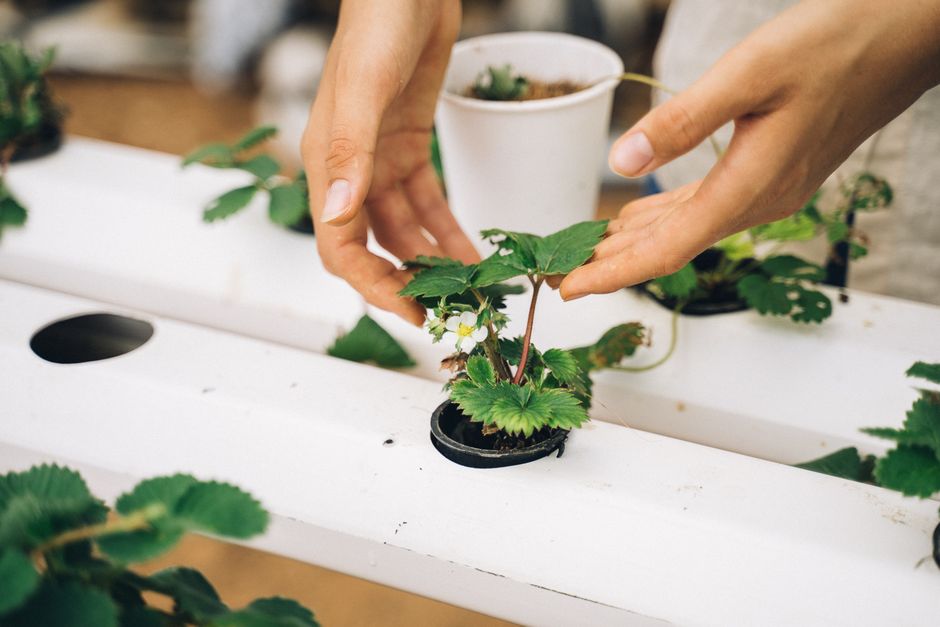
Aquaponics is a method of growing plants and raising fish in a symbiotic environment. In this system, fish waste provides an organic nutrient source for the plants, while the plants help to filter and purify the water for the fish. This closed-loop system not only maximizes space and resources but also minimizes water usage compared to traditional farming methods.
The basic components of an aquaponics system include a fish tank, grow beds, a pump, and a filtration system. These elements work together to create a sustainable ecosystem where both fish and plants can thrive. Moreover, aquaponics can be easily adapted for various scales, from small home systems to larger commercial setups.
The Benefits of Using an Aquaponics Kit
One of the primary advantages of utilizing an aquaponics kit is the ability to grow food in a limited space. Ideal for urban environments, these kits can be set up on balconies, rooftops, or small backyards. Additionally, aquaponics systems use up to 90% less water than traditional farming methods, making them an excellent choice for water conservation.
Furthermore, aquaponics allows for the growth of a wide variety of plants, including leafy greens, herbs, and even some fruit-bearing plants. This diversity not only enhances the variety of produce available but also promotes biodiversity in urban settings. For those looking to grow their own food, investing in an aquaponics kit can be a game-changer.
Choosing the Right Aquaponics Kit
When selecting an aquaponics kit, it’s essential to consider several factors, including system size, type of fish, and plant compatibility. Many kits on the market cater to beginners, offering user-friendly setups with detailed instructions. It is also crucial to choose a kit that includes all necessary components, such as pumps, filters, and grow media.
Moreover, some kits come with integrated monitoring systems that help maintain optimal water quality and temperature. For those who are new to aquaponics, these features can significantly simplify the learning curve. Researching different options and reading customer reviews can help in making an informed decision when purchasing an aquaponics kit.
Setting Up Your Aquaponics System
Once you have selected your aquaponics kit, the next step is to set it up. Begin by choosing an appropriate location that receives adequate sunlight and is easily accessible for maintenance. Follow the manufacturer’s instructions to assemble the system, ensuring that all components are properly connected.
After setting up, it is crucial to cycle the system before introducing fish. This process allows beneficial bacteria to establish, which will help in breaking down fish waste into nutrients for the plants. Depending on the kit, cycling can take anywhere from a few weeks to a month. During this time, monitor water quality regularly to ensure a healthy environment for both fish and plants.
Maintaining Your Aquaponics Kit
Maintenance is a critical aspect of successful aquaponics gardening. Regularly check water levels and quality, as well as the health of both fish and plants. It’s vital to feed the fish appropriately while ensuring that the plants receive sufficient nutrients from the fish waste.
Additionally, be vigilant about any pests or diseases that may affect your plants. Implementing organic pest control methods can help maintain a healthy ecosystem. By dedicating a little time each week to maintenance, you can enjoy a thriving aquaponics garden that produces fresh food year-round.
Conclusion
Aquaponics kits represent a revolutionary approach to sustainable gardening, making it possible for anyone, regardless of space or experience, to grow their own food. With their numerous benefits, including water conservation, space efficiency, and organic produce, aquaponics systems are becoming increasingly popular in urban areas. As more individuals embrace this innovative method, the future of food production looks greener than ever.