
Greenhouses have become essential tools for both hobbyists and professional growers alike. They provide the ideal environment for plants to thrive, allowing for year-round cultivation regardless of external weather conditions. However, to truly maximize the benefits of a greenhouse, investing in the right equipment is crucial. In this article, we will explore the various types of greenhouse equipment that can enhance your growing experience.
Understanding the Basics of Greenhouse Equipment
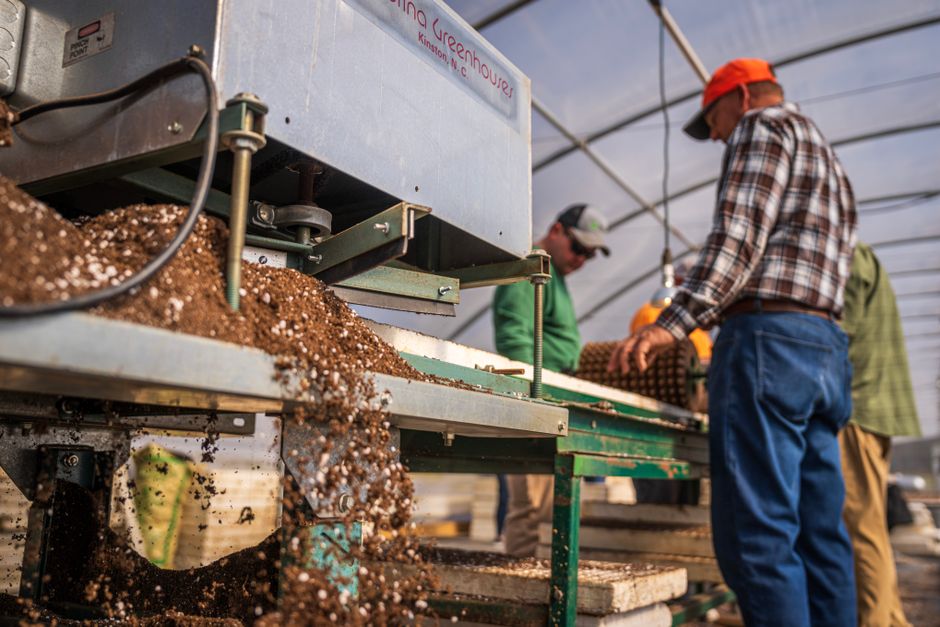
Before diving into specific equipment, it is important to understand the different components that make up a greenhouse system. Greenhouse equipment can range from structural elements to environmental control systems. Ensuring that you have a balanced setup will lead to healthier plants and higher yields.
One of the most basic yet vital pieces of equipment is the greenhouse frame. This structure supports the covering material, which can be glass, polycarbonate, or polyethylene. The choice of material affects light transmission, heat retention, and overall durability. A well-constructed frame will provide stability and longevity to your greenhouse.
Additionally, ventilation systems are critical in maintaining optimal growing conditions. Greenhouses can trap heat and humidity, leading to mold growth and plant stress. Installing vents, exhaust fans, and circulation fans helps regulate temperature and moisture levels, creating a conducive environment for plant growth.
Heating Solutions for Year-Round Growth
Heating systems are essential in regions with colder climates, where maintaining a consistent temperature is crucial for plant health. There are various heating options available, each with its own advantages and disadvantages. Electric heaters, propane heaters, and even geothermal heating systems can be utilized depending on your specific greenhouse size and budget.
For instance, electric heaters are easy to install and can provide quick heating, making them ideal for smaller greenhouses. However, they may not be the most cost-effective solution in the long run. On the other hand, propane heaters offer a more economical option for larger spaces but require proper ventilation to prevent harmful gas buildup.
Incorporating a thermostat into your heating system can help automate the process, ensuring that your greenhouse maintains the optimal temperature without constant manual adjustments.
Lighting: Essential for Plant Growth
Natural sunlight is the best source of light for plants, but in some cases, especially during winter months or in regions with limited sunlight, supplemental lighting becomes necessary. Grow lights come in various types, including fluorescent, LED, and high-intensity discharge lights, each suitable for different stages of plant growth.
LED grow lights are gaining popularity due to their energy efficiency and long lifespan. They can be tailored to emit specific wavelengths of light that promote photosynthesis, making them an effective choice for indoor and greenhouse growing. On average, using LED lights can reduce energy costs by up to 50% compared to traditional lighting options.
When installing grow lights, it’s essential to consider the light placement and duration to mimic natural sunlight patterns, ensuring plants receive adequate light for healthy growth.
Irrigation Systems for Efficient Watering
Consistent and efficient watering is critical for plant health, making irrigation systems an indispensable part of greenhouse equipment. There are several irrigation methods, including drip irrigation, overhead misting, and hydroponic systems.
Drip irrigation is often preferred because it delivers water directly to the plant roots, reducing water waste and minimizing disease risks associated with wet foliage. This method can be automated with timers, ensuring that plants receive the right amount of water at the right times.
Additionally, rainwater harvesting systems can be installed to collect and utilize rainwater for irrigation, promoting sustainability and reducing water costs. Many growers report a significant decrease in water expenses after implementing these systems.
Monitoring and Control Systems
To ensure the optimal growing environment, monitoring systems can track various factors such as temperature, humidity, and soil moisture levels. These systems can provide real-time data, allowing growers to make informed decisions quickly.
Advanced systems even offer automated controls, adjusting heating, cooling, and watering systems based on data collected. This level of automation can significantly reduce labor costs and improve plant health by ensuring conditions remain stable.
With the rise of smart technology, many greenhouse growers are now integrating IoT devices into their setups, enabling remote monitoring and control via smartphones or computers. This innovation allows for greater flexibility and efficiency in managing greenhouse environments.
Conclusion
Investing in the right greenhouse equipment is essential for any grower looking to maximize their yields and ensure plant health. From heating and lighting solutions to efficient irrigation systems and monitoring technologies, each component plays a vital role in creating a thriving greenhouse environment. By understanding the various options available and tailoring them to your specific needs, you can cultivate a successful growing operation that thrives all year round. For those looking to explore a comprehensive range of options, be sure to check out greenhouse equipment that can elevate your greenhouse experience.