
As the global population continues to grow, the demand for sustainable and efficient agricultural practices is more pressing than ever. One innovative solution that has emerged is vertical farming technology, which has the potential to revolutionize the way we produce food. By utilizing vertical space and advanced technologies, vertical farming offers a promising alternative to traditional farming methods.
Understanding Vertical Farming
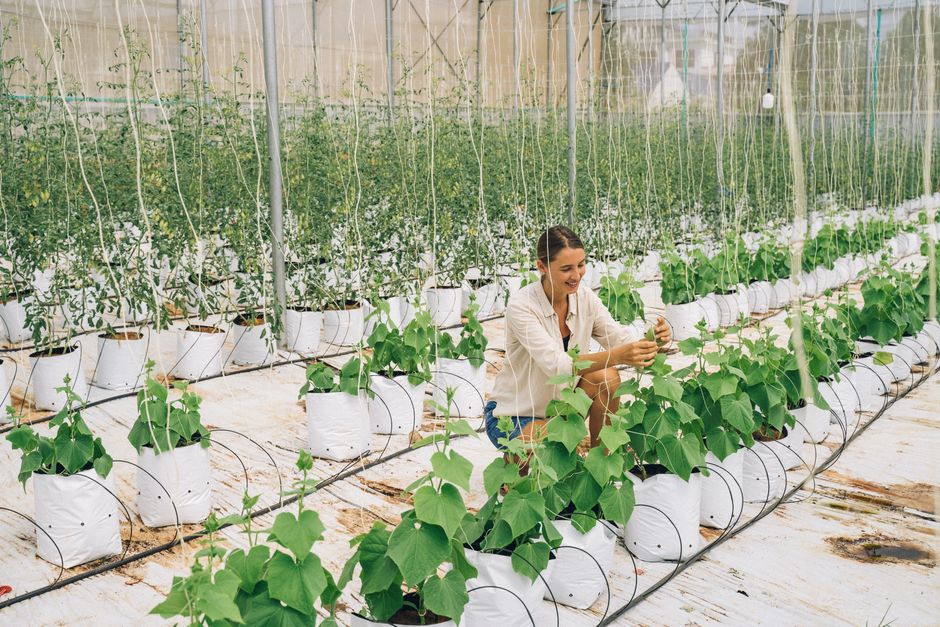
Vertical farming refers to the practice of growing crops in vertically stacked layers, often in controlled indoor environments. This method enables farmers to maximize space and optimize resource use, including water and nutrients. Unlike traditional farming, which relies heavily on arable land, vertical farming can be implemented in urban areas, reducing transportation costs and carbon footprints.
One of the key components of vertical farming is the use of hydroponics and aeroponics systems. These soilless farming techniques allow plants to grow in nutrient-rich water or mist, significantly reducing the amount of water required compared to conventional agriculture. In fact, studies have shown that vertical farms can use up to 90% less water, making them an ideal solution for regions facing water scarcity.
Moreover, vertical farming technology enables year-round crop production, independent of seasonal changes. This is particularly beneficial in regions with harsh climates, as it allows for consistent food supply and reduces the reliance on imported goods.
The Role of Technology in Vertical Farming
Technology is a driving force behind the success of vertical farming. From advanced lighting systems to climate control technologies, these innovations help optimize growth conditions for crops. For instance, LED grow lights are commonly used in vertical farms to provide the specific light spectrum that plants need for photosynthesis, leading to faster growth rates and higher yields.
Furthermore, automation and data analytics play a crucial role in managing vertical farms. Sensors can monitor environmental conditions such as temperature, humidity, and nutrient levels, allowing farmers to make real-time adjustments to optimize crop growth. This data-driven approach enhances efficiency and reduces waste, contributing to more sustainable farming practices.
Additionally, vertical farming technology integrates artificial intelligence and machine learning to predict crop performance and improve decision-making processes. By analyzing historical data and current trends, farmers can identify the best practices for maximizing yields and minimizing costs.
Benefits of Vertical Farming
The benefits of vertical farming extend beyond just increased food production. One significant advantage is its potential for reducing the environmental impact of agriculture. Traditional farming often leads to soil degradation, water pollution, and loss of biodiversity. In contrast, vertical farms operate in controlled environments, minimizing these negative effects.
Moreover, vertical farming can contribute to food security by providing fresh produce in urban areas where access to traditional farmland is limited. Urban vertical farms can supply local communities with fresh, organic vegetables, reducing the need for long-distance transportation and lowering greenhouse gas emissions.
In addition, vertical farms can create job opportunities in urban areas, fostering local economies. As this industry continues to grow, the demand for skilled workers in agriculture, technology, and engineering will increase, leading to new career paths and educational opportunities.
Challenges and Future Prospects
Despite its numerous advantages, vertical farming also faces challenges. The initial setup costs can be high, and ongoing operational expenses may deter some investors. However, as technology advances and becomes more affordable, it is likely that these barriers will diminish.
Another challenge is the need for skilled labor to operate and manage these advanced systems. Educational institutions must adapt their curricula to prepare the workforce for this evolving industry, ensuring that future farmers are equipped with the necessary skills.
Looking ahead, the future of vertical farming technology appears promising. As urbanization continues to rise, the demand for sustainable food production methods will only increase. With continuous advancements in technology and increased investment, vertical farming has the potential to play a significant role in addressing global food challenges.
Conclusion
Vertical farming technology represents a revolutionary shift in the agricultural landscape. By leveraging advanced technologies and innovative practices, it offers a sustainable solution to food production in an increasingly urbanized world. As we continue to explore the possibilities of vertical farming, it is essential to support research, investment, and education in this field to ensure its success and sustainability. The integration of vertical farming technology into our food systems may very well be the key to feeding future generations while preserving our planet.