
Demolition projects, whether residential or commercial, require careful planning and execution. Choosing the right demolition contractor is crucial to ensure that the job is done safely, efficiently, and within budget. In this article, we will explore the key factors to consider when selecting a demolition contractor, the different types of demolition services available, and the importance of safety regulations in the demolition industry.
Understanding the Types of Demolition Services
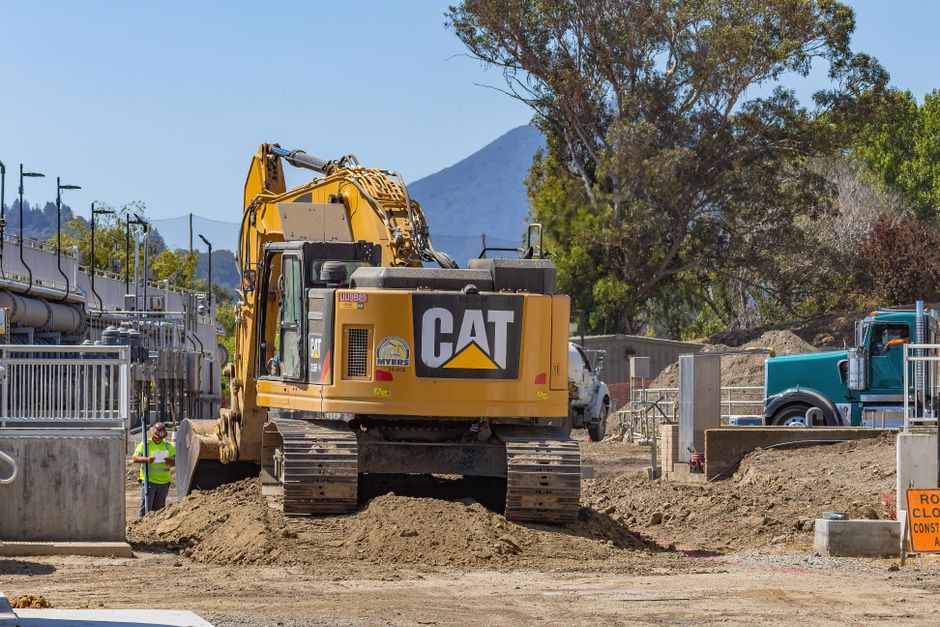
Demolition contractors offer a variety of services depending on the scope and nature of the project. These services can be broadly categorized into two types: conventional demolition and deconstruction. Conventional demolition involves the use of heavy machinery to bring down structures quickly, which is often the preferred method for larger buildings. On the other hand, deconstruction is a more meticulous process that focuses on salvaging materials and minimizing waste. Understanding these differences will help you select a contractor that aligns with your project’s goals.
For example, if your project emphasizes sustainability, you might consider hiring a contractor specializing in deconstruction. They will not only dismantle the structure but also ensure that as much material as possible is recycled or reused. This approach has gained popularity in recent years, as more clients seek eco-friendly solutions.
Evaluating Contractor Experience and Reputation
When selecting a demolition contractor, it is essential to evaluate their experience and reputation in the industry. A contractor with a proven track record is more likely to deliver high-quality work and adhere to safety standards. Look for testimonials and reviews from previous clients, and consider asking for references to gauge their reliability.
Additionally, check if the contractor has experience with projects similar to yours. For instance, if you are demolishing a historical building, it is crucial to find a contractor familiar with the challenges and regulations associated with such projects. This specialized knowledge can make a significant difference in the project’s outcome.
Importance of Licensing and Insurance
Before hiring a demolition contractor, ensure that they are properly licensed and insured. Licensing requirements vary by state and municipality, but a reputable contractor will possess all necessary certifications. This ensures that they are qualified to perform demolition work and comply with local regulations.
Insurance is equally important; it protects you from liabilities in case of accidents or damage during the demolition process. A professional contractor should carry both general liability insurance and workers’ compensation insurance. Always request proof of insurance before finalizing your contractor choice.
The Role of Safety Regulations
Safety should be a top priority in any demolition project. Contractors are required to follow strict safety regulations to protect their workers, the public, and the environment. Familiarize yourself with the safety protocols that should be in place, such as proper site preparation, hazard assessments, and the use of personal protective equipment (PPE).
Moreover, reputable contractors will conduct thorough safety training for their employees. Ask potential contractors about their safety training programs and how they ensure compliance with industry standards. This knowledge not only protects workers but also minimizes the risk of project delays due to accidents.
Cost Considerations and Budgeting
Cost is an inevitable factor when choosing a demolition contractor. It is essential to obtain multiple quotes before making a decision. Be wary of contractors who provide significantly lower bids, as this may indicate a lack of experience or the potential for hidden costs.
When reviewing quotes, look for detailed breakdowns of the costs involved. This should include labor, equipment, disposal fees, and any additional services offered. Understanding these details will help you make a more informed decision and ensure that your project remains within budget.
Keep in mind that while cost is important, it should not be the sole determining factor. The cheapest option may not always provide the best value. Consider the contractor’s experience, reputation, and safety record alongside their pricing.
Conclusion
Selecting the right demolition contractor is a critical step in ensuring the success of your demolition project. By understanding the types of services available, evaluating contractor experience and reputation, ensuring proper licensing and insurance, prioritizing safety, and considering costs thoughtfully, you can make an informed choice. Remember, a reliable demolition contractor will not only execute the demolition efficiently but also provide peace of mind throughout the process, allowing you to focus on your next steps.