
The interior design of a restaurant plays a crucial role in shaping the dining experience. It is not merely about aesthetics; it encompasses how the space feels, how it functions, and how it aligns with the restaurant’s brand identity. In an era where the dining experience is as much about the atmosphere as it is about the food, understanding the nuances of restaurant interior design becomes imperative.
Understanding the Basics of Restaurant Interior Design
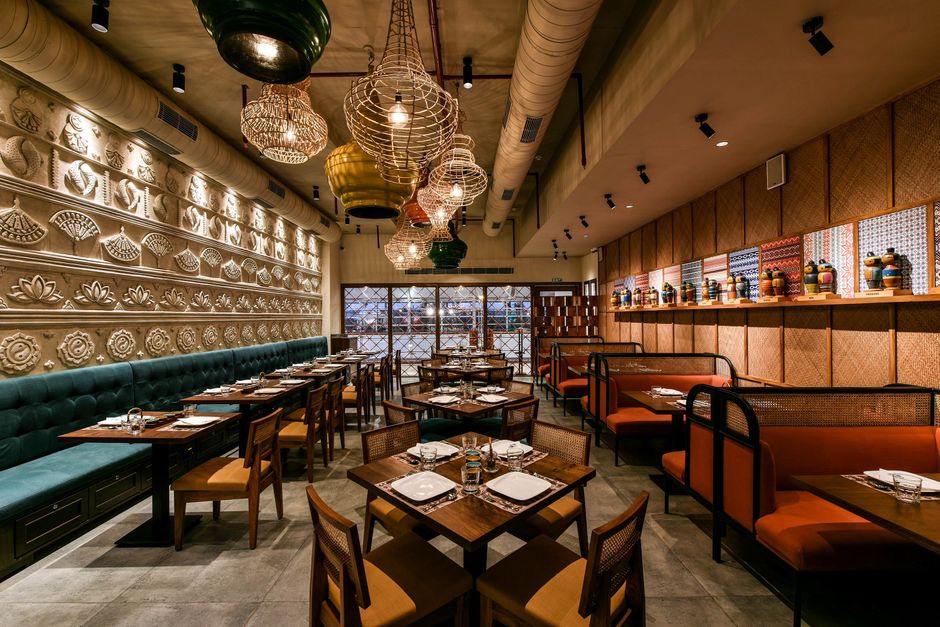
When embarking on a restaurant interior design project, there are fundamental principles that must be considered. Space planning is essential; it involves determining how to best utilize the available area to promote flow and comfort. This often includes deciding on the arrangement of tables, seating, and pathways for both staff and diners.
Moreover, the choice of colors, materials, and furnishings can heavily influence the ambiance of a restaurant. For instance, warm colors like red and orange can stimulate appetite, while cooler tones may create a more relaxed atmosphere. Similarly, the selection of furniture should not only reflect the restaurant’s theme but also provide comfort and accessibility for guests.
Incorporating Technology and Sustainability
Modern restaurant interior design increasingly incorporates technology and sustainable practices. The integration of smart technology, such as automated lighting and climate control, can enhance the dining experience while minimizing energy costs. Additionally, the use of sustainable materials and practices is becoming more prevalent. Restaurants are now opting for reclaimed wood, energy-efficient appliances, and eco-friendly décor to reduce their environmental footprint.
For example, a restaurant that employs LED lighting not only saves on energy bills but also can create a more inviting atmosphere with carefully designed lighting schemes. Furthermore, sustainability can be a part of the brand identity, appealing to a growing demographic of environmentally conscious consumers.
Designing for the Target Audience
Every restaurant has a unique target audience, and the interior design should cater to their preferences and needs. For instance, a family-friendly restaurant might prioritize spacious seating and playful decor, while a fine dining establishment may focus on creating an intimate and elegant atmosphere.
Market research and customer feedback can guide design choices, ensuring that the aesthetic resonates with the intended clientele. For example, a trendy urban eatery could incorporate edgy artwork and industrial elements, while a cozy café might emphasize warmth and comfort through soft textiles and rustic furnishings.
Case Studies: Successful Restaurant Designs
Examining successful restaurant designs can provide valuable insights into effective interior design strategies. One noteworthy example is the farm-to-table restaurant trend, where the interior design reflects the culinary philosophy of freshness and locality. These restaurants often feature open kitchens, natural materials, and decor that emphasizes local agriculture.
Another successful case is the use of themed environments to enhance the dining experience. Restaurants that immerse diners in a specific theme or narrative—such as a nautical or retro diner theme—can effectively transport customers away from their everyday lives, making the dining experience memorable.
To further illustrate, consider a restaurant that utilizes an open-concept layout, allowing patrons to see the preparation of their meals. This not only fosters transparency but also engages diners, making them feel more connected to their food and the dining experience.
Future Trends in Restaurant Interior Design
As the dining landscape continues to evolve, so will the trends in restaurant interior design. One emerging trend is the emphasis on multifunctional spaces. Restaurants are increasingly designing areas that can serve multiple purposes, such as a dining space that transforms into an event space after hours.
Another trend is the focus on health and wellness. This includes designing spaces that promote physical and mental well-being, such as incorporating biophilic design elements like indoor plants and natural light. Such designs can enhance the overall dining experience, making it not just about food, but also about well-being.
Moreover, the rise of social media has changed how restaurants view their interior spaces. Aesthetic appeal that encourages social sharing can be a significant draw for younger consumers, leading to designs that prioritize ‘Instagrammable’ moments.
Conclusion
In conclusion, restaurant interior design is a multifaceted discipline that requires a balance of aesthetics, functionality, and brand identity. As restaurants continue to adapt to changing consumer preferences and technological advancements, staying informed about the latest trends and best practices becomes vital for success. By creating an inviting and thoughtfully designed environment, restaurant owners can enhance the overall dining experience, attract more patrons, and foster customer loyalty. For those looking to dive deeper into the world of restaurant interior design, exploring innovative approaches and embracing sustainability will be key to standing out in an increasingly competitive market.