
When it comes to furnishing a child’s room, parents often find themselves overwhelmed by the variety of options available. The right furniture not only enhances the aesthetic appeal of a space but also serves a functional purpose that can support a child’s growth and development. In this article, we will explore the essential elements of a successful kids’ furniture store, highlighting how to create a delightful shopping experience for both children and their parents.
Understanding the Needs of Children
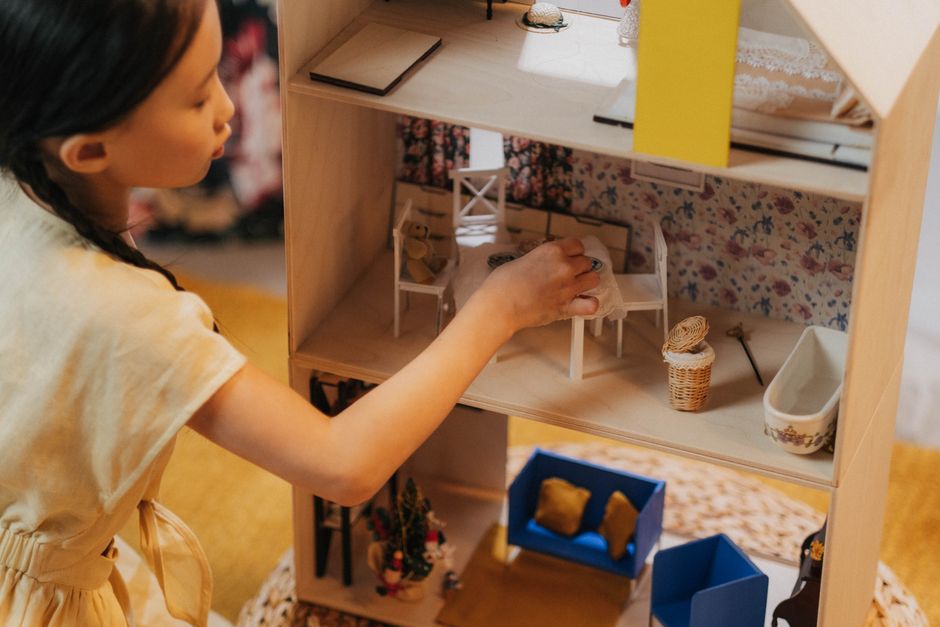
Children have unique needs when it comes to furniture. Unlike adults, their furniture must be safe, adaptable, and engaging. Safety is paramount; furniture should be constructed from non-toxic materials and have rounded edges to prevent injuries. Additionally, the furniture should be lightweight enough for children to move around but sturdy enough to withstand their playful nature.
Moreover, adaptability is key. As children grow, their needs change. A bed that can convert from a crib to a toddler bed and eventually to a full-size bed is an excellent investment for parents. This not only saves money but also aligns with a child’s evolving needs. A well-designed kids furniture store will showcase such versatile options, emphasizing the long-term value of these products.
Design Aesthetics and Themes
When selecting furniture for children, the design and theme play a crucial role. Bright colors and playful designs can stimulate a child’s imagination and creativity. For example, furniture shaped like animals or featuring popular cartoon characters can make a child’s room feel more inviting. It’s essential for a kids’ furniture store to have a diverse range of themes, from whimsical to more sophisticated options that appeal to older children.
Parents often look for furniture that can grow with their child, transitioning from a playful theme suitable for toddlers to a more mature style for adolescents. Offering furniture that can adapt in style is a smart strategy for any kids’ furniture store.
Functional and Multi-Use Solutions
In smaller homes, space is often at a premium, and parents appreciate furniture that serves multiple purposes. For instance, a storage ottoman can function as both seating and a place to store toys. Bunk beds with built-in desks can save space while providing a study area for homework and creative projects.
Additionally, incorporating storage solutions into furniture design is vital. Children accumulate toys and books quickly, so providing furniture that includes built-in shelves or drawers can help keep their rooms organized. A well-planned layout in a kids’ furniture store can highlight these functional pieces, making it easier for parents to visualize how they would fit into their homes.
Educating Parents and Children
A successful kids’ furniture store goes beyond just selling products; it also educates parents and children about the importance of ergonomics and proper posture. As children spend more time seated for homework and leisure activities, the choice of desk and chair becomes vital. Ergonomic designs that offer adjustable heights and lumbar support can greatly benefit a child’s posture and overall health.
Workshops or informational sessions held in-store can engage parents and children alike, allowing them to learn about the benefits of quality furniture. This educational approach can help build trust and establish the store as a go-to resource for children’s furniture needs.
Creating an Engaging Shopping Experience
The atmosphere of a kids’ furniture store should be inviting and engaging. Bright colors, playful decor, and interactive displays can capture the attention of children, making the shopping experience enjoyable. Consider incorporating play areas where children can test out furniture or even offer crafts and activities to keep them entertained while parents browse.
Moreover, providing excellent customer service is essential. Staff trained to assist both parents and children can make a significant difference in the shopping experience. They should be knowledgeable about the products and able to recommend items based on individual needs.
Conclusion
In summary, a successful kids’ furniture store focuses on safety, adaptability, style, functionality, and customer education. By understanding the unique needs of children and providing a delightful shopping experience, these stores can become a trusted destination for parents. As the demand for quality children’s furniture continues to grow, investing in a well-rounded approach will ensure that both children and parents leave satisfied with their purchases.