
Bedbugs are tiny, elusive pests that can turn a peaceful home into a nightmare. As they feed on human blood, their presence can cause not only physical discomfort but also emotional distress. With their ability to reproduce quickly and hide in the most unexpected places, eradicating them requires a comprehensive approach. This article will provide you with effective strategies for bedbug extermination, ensuring your home is free from these unwanted intruders.
Understanding Bedbugs: Biology and Behavior
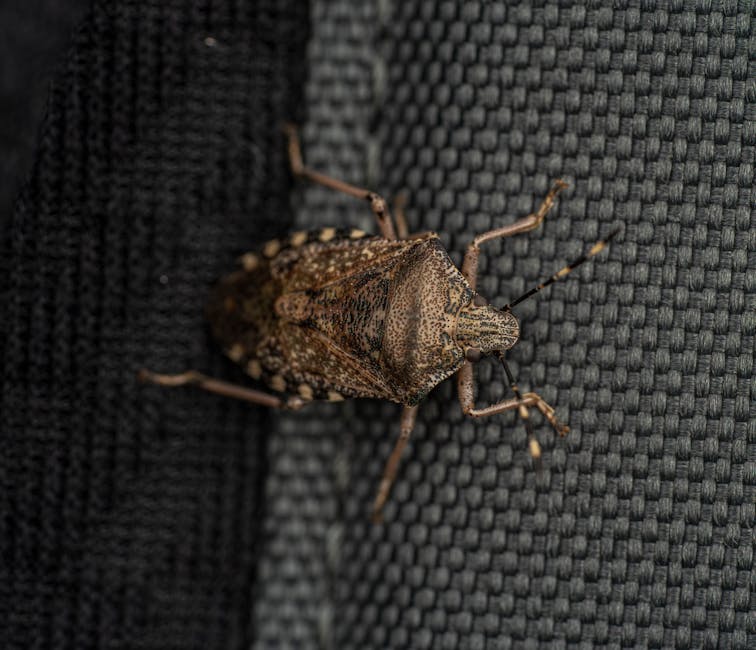
To successfully eliminate bedbugs, it is crucial to understand their biology and behavior. Adult bedbugs are reddish-brown, oval-shaped insects that typically measure about 4 to 5 millimeters in length. They thrive in warm environments, making beds, couches, and other upholstered furniture their ideal habitats. Bedbugs are nocturnal and tend to feed at night, which is why many people may not even realize they have an infestation until it becomes severe.
Bedbugs reproduce rapidly, with a female capable of laying up to 500 eggs in her lifetime. These eggs are small and almost invisible to the naked eye, making it easy for infestations to grow quickly if not addressed promptly. Furthermore, bedbugs can survive for months without feeding, adding to their resilience and making them difficult to eliminate.
Signs of Infestation
Identifying a bedbug infestation early can significantly improve your chances of successful extermination. Common signs include:
- Red, itchy bites on the skin, often in a linear pattern.
- Small dark spots on bedding or furniture, which are bedbug excrement.
- Molted bedbug skins and eggshells around the infested area.
- A musty odor, which can indicate a large infestation.
If you suspect a bedbug problem, it is essential to act quickly. The longer you wait, the more difficult and costly the extermination process will become.
DIY Extermination Techniques
For those who prefer a hands-on approach, several DIY techniques can be effective in controlling bedbug populations. Start by thoroughly cleaning your home:
– **Vacuuming**: Use a vacuum with a HEPA filter to remove bedbugs and their eggs from carpets, mattresses, and furniture. Make sure to dispose of the vacuum bag immediately.
– **Washing and Drying**: Wash all bedding, clothing, and fabric items in hot water and dry them on the highest heat setting. This can kill bedbugs at all life stages.
In addition to cleaning, you can also use heat treatment. Bedbugs cannot survive temperatures above 120°F (49°C). Use a steam cleaner on mattresses and furniture, focusing on seams and crevices. However, be cautious with electronics and other temperature-sensitive items.
While these methods can help reduce the population, they are often not sufficient for complete extermination. It’s important to consider professional help if the infestation persists.
When to Call a Professional
Hiring a professional exterminator can be the most effective way to eradicate a bedbug infestation. Professionals have access to stronger pesticides and advanced techniques that are not available to the general public. They also carry out thorough inspections to identify the extent of the infestation and provide tailored solutions.
Before hiring an exterminator, ensure they are licensed and experienced in bedbug treatment. Ask about their methods, the products they use, and how long the treatment will take. A reputable exterminator will also provide guidance on how to prepare your home for treatment, such as removing clutter and securing personal items.
Furthermore, it is essential to follow up with the exterminator to monitor for any signs of bedbugs returning. Regular inspections can help catch any new infestations early, ensuring your home remains bedbug-free.
Preventative Measures
Prevention is a crucial aspect of bedbug management. Here are some effective strategies:
– **Regular Inspections**: Periodically check for signs of bedbugs in your home, especially after traveling or staying in hotels.
– **Protective Covers**: Use mattress encasements designed to keep bedbugs from entering or escaping. These can be particularly helpful if you have had a previous infestation.
– **Mindful Travel**: When traveling, inspect hotel rooms for signs of bedbugs and keep your luggage off the floor. Upon returning home, wash and dry your clothes on high heat.
By implementing these preventative measures, you can significantly reduce the likelihood of a bedbug infestation.
Conclusion
Bedbug extermination requires a proactive and informed approach. Understanding their biology, recognizing the signs of infestation, and employing effective extermination techniques are essential in regaining control of your home. Whether you choose to tackle the problem yourself or enlist the help of professionals, it is crucial to act swiftly to prevent further spread. For comprehensive solutions, consider seeking expert advice on bed bug treatment. With diligence and determination, you can reclaim your living space from these persistent pests.