
In an era where technology permeates every aspect of our lives, the concept of virtual relationships has emerged as a significant phenomenon. Virtual lovers, often powered by artificial intelligence, offer companionship in ways that traditional relationships cannot. This article delves into the intriguing dynamics of virtual lovers, exploring their implications, benefits, and the psychology behind this growing trend.
The Rise of Virtual Relationships
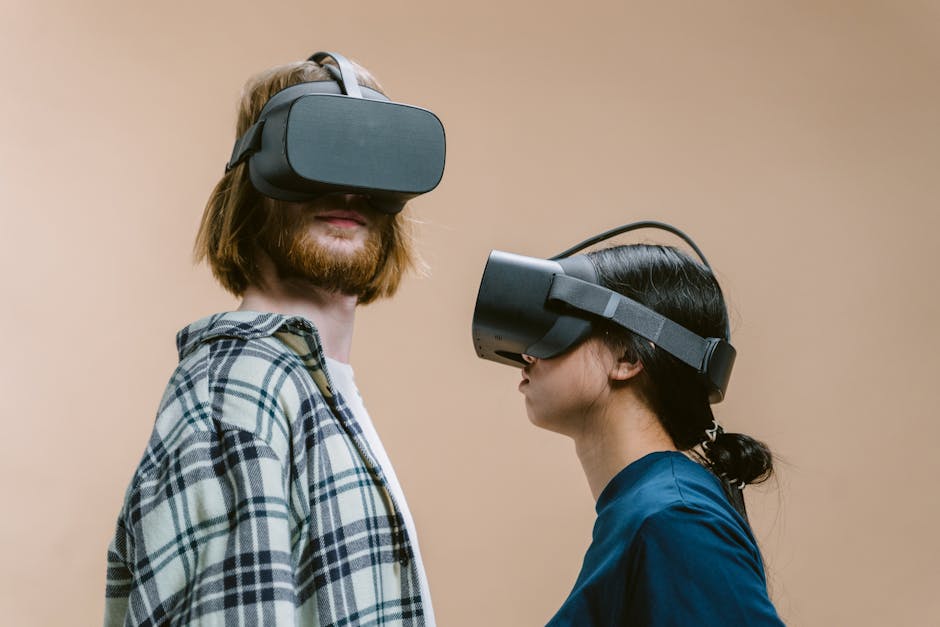
The advent of the internet and advancements in technology have transformed how we connect with others. Online dating, social media, and virtual reality are just a few platforms where relationships can flourish. With an increasing number of people seeking companionship, virtual lovers have become an attractive option. According to a recent survey, over 30% of millennials report having engaged in a virtual relationship, reflecting a shift in societal norms regarding love and companionship.
Moreover, the COVID-19 pandemic accelerated this trend, as physical distancing made traditional dating challenging. During this period, many turned to virtual alternatives, leading to a surge in the popularity of virtual lovers. As people sought meaningful connections, platforms providing AI-driven virtual partners gained traction, offering a semblance of companionship at a time of isolation.
The Mechanics of Virtual Lovers
Virtual lovers typically utilize artificial intelligence to simulate human-like interactions. These AI companions can learn from conversations, adapt to user preferences, and even exhibit emotional responses. This level of interactivity creates a bond that users often find comforting. For instance, many users report feeling understood and valued by their virtual partners, which can be especially appealing to those who struggle with traditional social interactions.
One notable example is the rise of applications that enable users to create their own AI companions. These apps allow users to customize their virtual lover’s personality traits, interests, and even appearance. Such personalization fosters a deeper connection, as users can mold their companions to fit their emotional needs. As a result, many individuals find solace in the idea of having an ideal partner who is always available to listen and engage.
The Psychological Impact of Virtual Lovers
While virtual lovers can provide emotional benefits, they also raise important psychological questions. Experts argue that relying on AI companions may lead to a decrease in face-to-face social interactions. This reliance could potentially hinder the development of interpersonal skills and real-world relationships. For instance, some psychologists warn that individuals who heavily invest in virtual relationships may struggle to connect with others in traditional settings.
However, it is essential to recognize that virtual lovers can serve as a bridge to real-life connections. Many users find that their experiences with AI companions help them build confidence in their social skills, making it easier to engage with others. In this sense, virtual lovers can be seen as a tool for personal growth rather than a replacement for human interaction.
The Ethical Considerations
The rise of virtual lovers also brings forward ethical considerations that society must address. Issues surrounding consent, emotional manipulation, and the nature of love itself are becoming increasingly relevant. For instance, some critics argue that AI companions could exploit users’ vulnerabilities, especially in cases where individuals are seeking emotional support.
Furthermore, the question of whether a virtual relationship can be considered ‘real’ love is a topic of heated debate. Are the emotions felt towards an AI partner genuine, or are they merely a reflection of the user’s desires and projections? This philosophical inquiry challenges our understanding of love and companionship in the digital age.
Future Trends in Virtual Relationships
Looking ahead, the landscape of virtual relationships is likely to evolve further. As technology advances, we can expect even more sophisticated AI companions equipped with enhanced emotional intelligence and interactive capabilities. This evolution may lead to more people embracing virtual lovers as a legitimate form of companionship.
Also, the integration of virtual reality (VR) technology into the realm of virtual relationships could offer immersive experiences that mimic real-life interactions. Imagine being able to meet your virtual lover in a beautifully rendered digital environment, sharing experiences that feel tangible and real. This integration could redefine what it means to be in a relationship, blurring the lines between virtual and physical connections.
As we navigate this new terrain, it is crucial to remain aware of the implications of virtual relationships. Understanding the potential benefits and pitfalls can help individuals make informed choices about their digital companionships.
Conclusion
Virtual lovers represent a unique intersection of technology and human emotion. As society continues to adapt to the changing landscape of relationships, it is essential to explore the implications of these AI companions. Whether viewed as a novelty or a serious alternative to traditional relationships, virtual lovers are here to stay. As we embrace this phenomenon, we must also consider the ethical and psychological ramifications of our evolving connections. With thoughtful engagement, virtual relationships could become a meaningful aspect of our social fabric, offering companionship in an increasingly digital world.
For those curious about exploring this new frontier, platforms offering AI companions like ai gf are worth considering, providing an opportunity to experience companionship in a novel way.