
In today’s fast-paced business environment, the threat of fraudulent invoices is more prevalent than ever. As companies strive to streamline their operations and cut costs, they may inadvertently expose themselves to the risk of fraud. Understanding how to detect and prevent fraudulent invoices is essential for businesses of all sizes. In this article, we will explore the various types of invoice fraud, the signs to look for, and effective strategies to safeguard your company.
Understanding Invoice Fraud
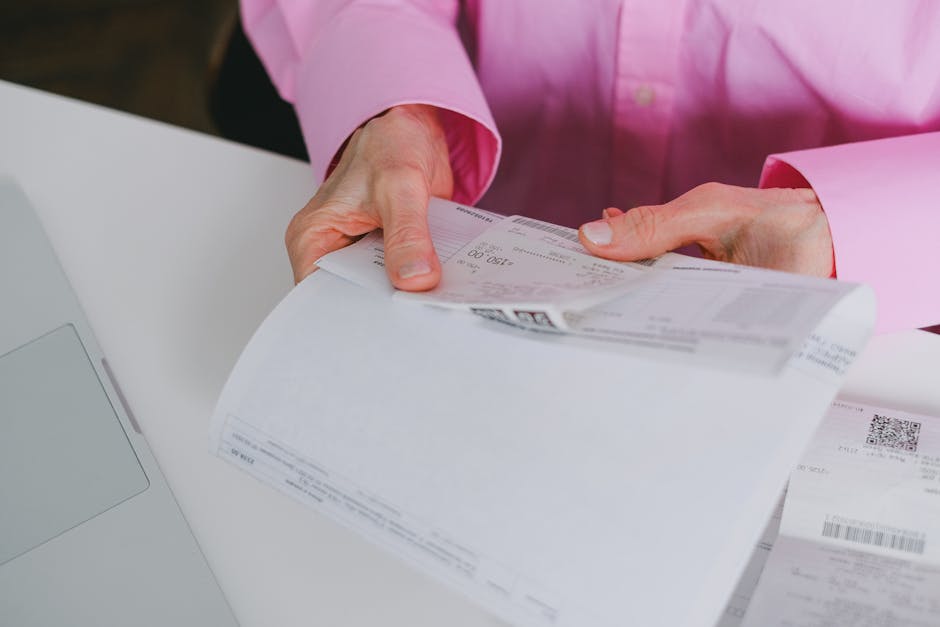
Invoice fraud can take many forms, including phishing scams, fake invoices, and even internal fraud. Phishing scams involve fraudsters impersonating legitimate vendors to trick businesses into paying fake invoices. On the other hand, fake invoices are created by criminals who have no legitimate business connection to the victim. Internal fraud occurs when an employee manipulates the invoicing process for personal gain.
According to the Association of Certified Fraud Examiners (ACFE), organizations lose an estimated 5% of their revenue to fraud each year. This statistic highlights the importance of being vigilant in detecting and preventing fraudulent invoices. Implementing robust controls and regularly educating employees about the risks can significantly reduce the likelihood of falling victim to such scams.
Signs of Fraudulent Invoices
Recognizing the signs of potential fraud is crucial in preventing financial losses. Here are some common indicators of fraudulent invoices:
- Inconsistent Vendor Information: If the contact information, address, or payment details do not match the vendor’s known records, this could be a red flag.
- Unusual Payment Terms: Be wary of invoices with terms that deviate from the norm, such as unusually high amounts or urgent payment requests.
- Lack of Supporting Documentation: Legitimate invoices are often accompanied by receipts, purchase orders, or delivery notes. The absence of these documents may indicate fraud.
By training employees to recognize these signs, businesses can improve their chances of identifying fraudulent invoices before any payments are made.
Implementing Effective Controls
Establishing a robust control system is vital for preventing fraud. Here are some effective measures businesses can adopt:
- Verify Vendor Details: Always confirm vendor information before processing payments. This can include calling the vendor directly or checking their official website.
- Implement Invoice Approval Processes: Require multiple levels of approval for invoices, especially those that are high in value. This creates a system of checks and balances that can deter fraudulent activity.
- Utilize Technology: Consider using fraud detection software that can analyze patterns and flag suspicious invoices. Solutions like these can save time and reduce human error.
By implementing these controls, businesses can create an environment less conducive to fraud.
Training Employees to Spot Fraud
Employee training is a critical component in the fight against fraudulent invoices. Companies should provide regular training sessions focusing on the risks of invoice fraud and the steps employees can take to prevent it. Role-playing exercises and case studies can be effective tools to enhance understanding.
Additionally, fostering a culture of transparency where employees feel comfortable reporting suspicious activity is essential. Encouraging open communication can help identify potential fraud before it becomes a significant issue.
Responding to Fraudulent Invoices
Despite best efforts, businesses may still encounter fraudulent invoices. Having a clear response plan is essential. This should include:
- Immediate Reporting: Employees should know to report any suspected fraud to management or the designated fraud investigation team.
- Investigation Procedures: Establish a process for investigating claims of fraud. This may involve reviewing documentation, speaking with involved parties, and even involving law enforcement if necessary.
- Assessing Financial Impact: Understanding the financial implications of fraudulent invoices can help businesses recover losses and implement better prevention strategies in the future.
Being prepared for potential fraud can minimize damage and allow a quicker recovery.
Conclusion
In conclusion, detecting and preventing fraudulent invoices is a crucial aspect of maintaining a secure financial environment for any business. By understanding the various types of invoice fraud, recognizing the signs, implementing effective controls, training employees, and having a response plan, companies can significantly reduce their vulnerability. Remember, vigilance is key, and taking proactive steps can safeguard your organization from the devastating effects of fraud. For more information on how to detect fraud invoice, consider utilizing additional resources that can aid in your efforts.