
In today’s agricultural landscape, the importance of effective water management cannot be overstated. With the increasing challenges posed by climate change and population growth, farmers are turning to advanced irrigation systems to optimize their water usage. This article explores the various types of irrigation systems, their benefits, and how they can contribute to sustainable farming practices.
Types of Irrigation Systems
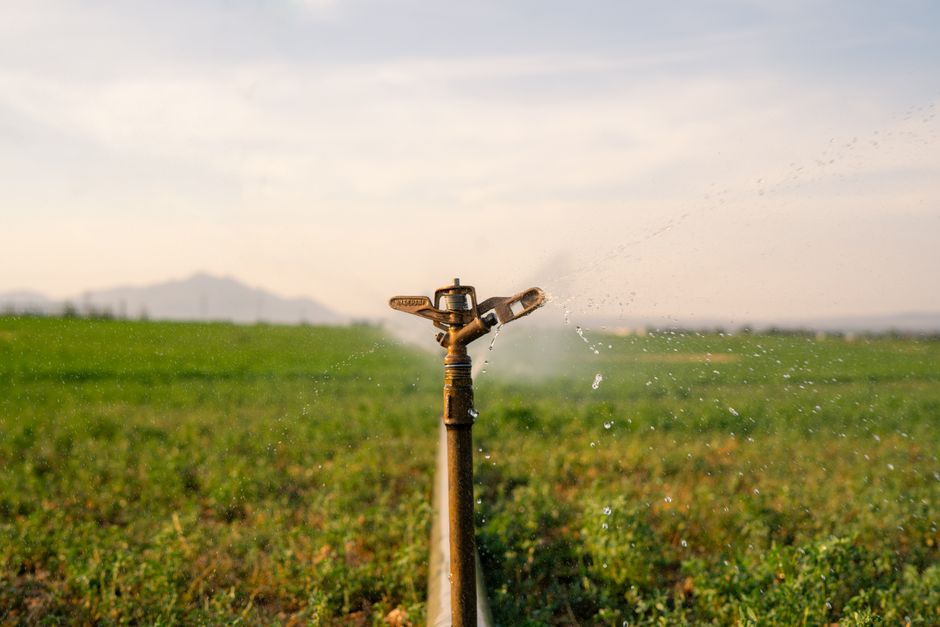
The world of irrigation encompasses a variety of systems, each tailored to meet specific agricultural needs. The most common types include surface irrigation, drip irrigation, and sprinkler systems. Surface irrigation, often seen in traditional farming, involves the direct application of water to the soil surface, relying on gravity to distribute water across the field.
Drip irrigation, on the other hand, is a more modern approach that delivers water directly to the plant roots through a network of tubing and emitters. This method significantly reduces water wastage and is particularly effective in arid regions. Finally, sprinkler systems use a network of pipes to spray water over the crops, mimicking natural rainfall. Each of these systems has its unique advantages, making them suitable for different types of crops and soil conditions.
Benefits of Advanced Irrigation Systems
Advanced irrigation systems offer numerous benefits that can enhance agricultural productivity. Firstly, they help conserve water, a critical resource that is becoming increasingly scarce. For instance, studies have shown that drip irrigation can reduce water usage by up to 60% compared to traditional methods. This efficiency not only saves water but also reduces energy costs associated with pumping and distribution.
Moreover, these systems can improve crop yields and quality. By providing a consistent water supply, plants are less stressed and can grow more robustly. This leads to higher yields and better-quality produce, which can be a significant economic advantage for farmers.
Challenges in Implementing Irrigation Systems
Despite the clear benefits, implementing an effective irrigation system can pose challenges. Initial setup costs can be high, particularly for advanced systems like drip irrigation. Farmers must also consider the ongoing maintenance and potential repair costs associated with these systems.
Additionally, there is a learning curve involved in operating sophisticated irrigation technologies. Farmers may need training to understand how to manage these systems effectively, including monitoring water usage and adjusting schedules based on weather conditions.
Innovations in Irrigation Technology
The field of irrigation is witnessing rapid technological advancements. One notable innovation is the integration of smart technology, which allows for real-time monitoring and data collection. Sensors can be placed in the soil to measure moisture levels, enabling automated irrigation systems to adjust water delivery based on actual crop needs.
Furthermore, mobile applications are being developed to assist farmers in managing their irrigation systems remotely. This technology empowers farmers to make informed decisions that optimize water use and improve overall efficiency.
Conclusion
In conclusion, the adoption of modern irrigation systems is crucial for sustainable agriculture in the face of growing water scarcity and food demand. By understanding the various types of systems available and their respective benefits, farmers can make informed decisions that enhance productivity while conserving precious water resources. As technology continues to evolve, the future of irrigation looks promising, offering innovative solutions to meet the challenges of modern farming. For more in-depth resources on this topic, you may explore the latest research on irrigation systems.