
Perfume has been an integral part of human culture for centuries, serving not only as a means of personal expression but also as a powerful tool for evoking memories and emotions. The allure of fragrance captivates our senses, drawing us into a world where scents can speak louder than words. In this article, we will explore the fascinating journey of perfume, from its historical roots to the intricate processes involved in its creation.
The History of Perfume
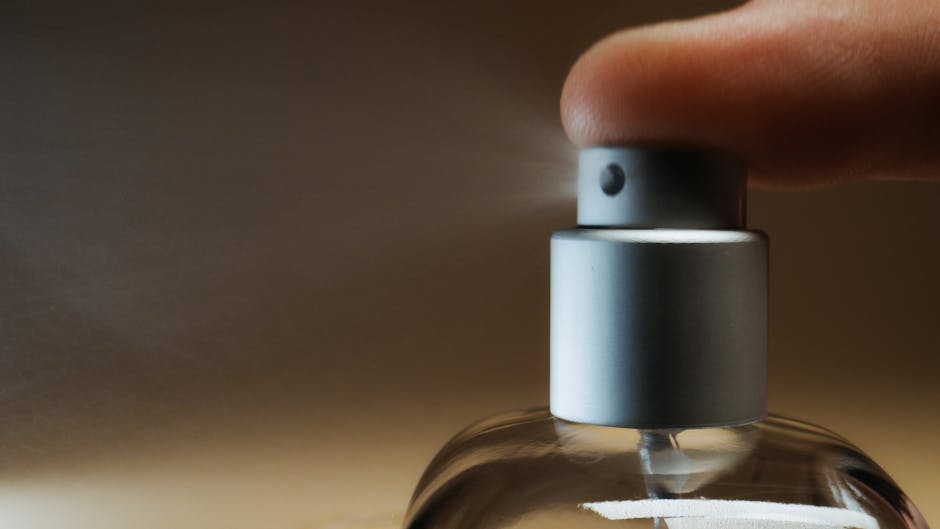
The origins of perfume date back to ancient civilizations, where it was often used in religious ceremonies and royal courts. The Egyptians were among the first to develop the art of perfumery, utilizing natural ingredients such as flowers, spices, and resins. These early perfumes were not only used for personal adornment but were also offered to gods as a form of worship.
As trade routes expanded, the art of perfumery spread across the globe. The Greeks and Romans adopted the practice, refining it further and integrating it into their daily lives. During the Middle Ages, the use of perfume declined in Europe due to the rise of the plague, but it saw a resurgence during the Renaissance, when it became a symbol of wealth and status.
Today, perfume is a multi-billion dollar industry, with countless brands and fragrances available to consumers. The evolution of perfume reflects broader cultural trends and societal changes, making it a fascinating subject of study.
The Science Behind Fragrance
Creating a perfume is both an art and a science. The process begins with the selection of raw materials, which can include natural ingredients like essential oils and synthetic compounds. Perfumers, often referred to as “noses,” possess a highly developed sense of smell and a deep understanding of how different scents interact with one another.
The fragrance pyramid is a common framework used by perfumers to structure a scent. It consists of three layers: top, middle, and base notes. Top notes are the initial scents that are perceived when a perfume is first applied, often citrus or herbal in nature. Middle notes, or heart notes, emerge once the top notes fade, providing the main body of the fragrance. Finally, base notes are the lingering scents that provide depth and longevity to the perfume.
Innovations in technology have also transformed the world of perfumery. Techniques such as gas chromatography and mass spectrometry allow perfumers to analyze and replicate scents with precision. This scientific approach not only enhances the quality of fragrances but also opens up new possibilities for creative expression.
The Role of Ingredients
The choice of ingredients is crucial in the creation of a perfume. Natural ingredients, such as jasmine, rose, and sandalwood, have been prized for their aromatic qualities for centuries. However, the use of synthetic ingredients has become increasingly popular, allowing for a wider range of scents and greater consistency in fragrance production.
One of the most sought-after luxury perfume brands, Maison Francis Kurkdjian (MFK), exemplifies the artistry involved in selecting ingredients. Each fragrance crafted by MFK tells a unique story, often inspired by personal experiences and memories of the perfumer. This emphasis on storytelling through scent adds a layer of richness to the perfume experience.
Moreover, the ethical sourcing of ingredients has gained importance in the industry, with brands increasingly prioritizing sustainability and transparency. Consumers are now more aware of the environmental impact of their purchases and seek fragrances that align with their values.
The Cultural Impact of Perfume
Perfume is not merely a personal accessory; it carries significant cultural weight. Different cultures have distinct attitudes toward fragrance, which can influence the types of scents that are popular in various regions. For example, floral fragrances are often favored in many Western societies, while Middle Eastern cultures may lean towards richer, spicier scents.
Marketing and branding also play a crucial role in how perfumes are perceived. The packaging, advertising, and celebrity endorsements can greatly influence consumer choices, making perfume a fascinating intersection of art, commerce, and psychology.
Perfume also serves as a form of self-expression. Many individuals choose fragrances that resonate with their personality or mood, using scent as a way to communicate who they are without uttering a single word. The emotional connection people have with their chosen fragrances can be profound, often evoking memories and feelings tied to specific moments in their lives.
The Future of Perfume
As we move forward, the future of perfume is likely to be shaped by a number of factors, including advancements in technology, changing consumer preferences, and a growing emphasis on sustainability. The rise of niche and artisanal brands reflects a shift towards more personalized and unique fragrance experiences.
Moreover, the increasing integration of technology in the fragrance industry, such as the use of AI in scent creation, promises to revolutionize how perfumes are designed and marketed. This fusion of tradition and innovation will continue to push the boundaries of what is possible in the world of perfumery.
Ultimately, perfume remains a vibrant and dynamic field, rich with history and potential. As we explore the many facets of fragrance, we uncover not just the science behind scent, but also the profound connection it fosters between individuals and their experiences.
Conclusion
Perfume is more than just a pleasant aroma; it is a complex interplay of art, science, culture, and personal expression. From its ancient origins to modern innovations, the world of fragrance continues to evolve, captivating our senses and enriching our lives. As we appreciate the craftsmanship behind each bottle, we are reminded of the power of scent to inspire, evoke, and connect us to our innermost selves.