
Perfume is more than just a fragrance; it is an art form that has the power to evoke emotions, create memories, and express individuality. From ancient civilizations to modern-day luxury brands, the history of perfume is rich and varied. As we explore the fascinating world of scent, we will delve into the ingredients, the crafting process, and the impact of perfume on our daily lives.
The History of Perfume
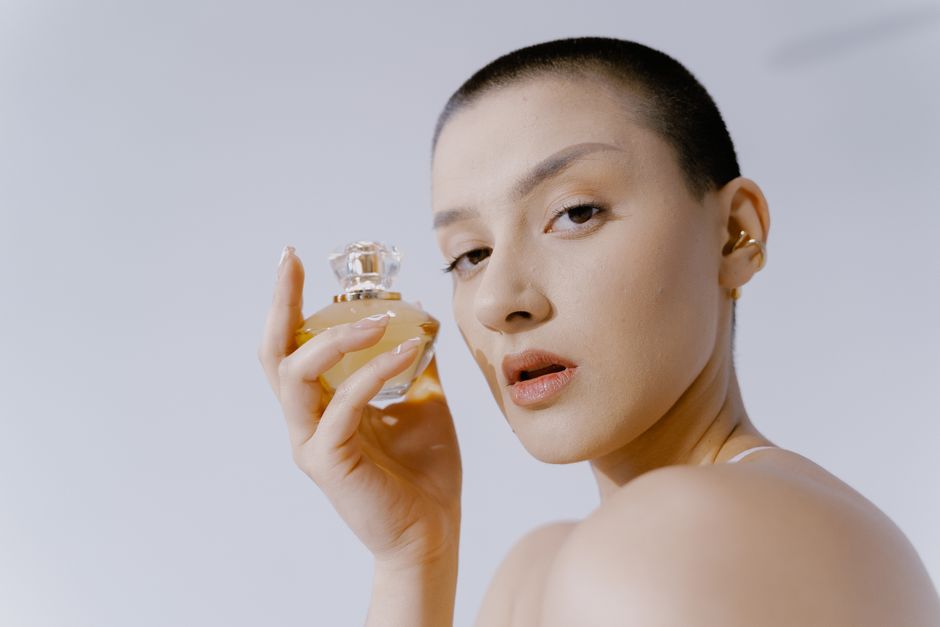
Perfume has been an integral part of human culture for thousands of years. The earliest recorded use of perfume dates back to ancient Egypt, where it was used in religious ceremonies and personal grooming. Egyptians created fragrant oils using ingredients like myrrh, frankincense, and cinnamon. This practice spread to other civilizations, including the Greeks and Romans, who further refined the art of scent-making.
During the Renaissance, perfume became synonymous with luxury and sophistication. The French, in particular, elevated perfume to a high art. It was during this period that the foundations of modern perfumery were laid, with the introduction of new distillation methods and a wider variety of aromatic ingredients.
Today, the perfume industry is a multi-billion dollar market, with countless brands and an endless array of fragrances. From niche perfumes to mainstream offerings, the choices available reflect the diverse tastes and preferences of consumers around the world.
The Ingredients Behind the Scent
The creation of a perfume involves a delicate balance of various ingredients, which can be derived from natural sources or synthesized in a lab. Common natural ingredients include floral extracts, spices, woods, and resins. Each component contributes to the overall scent profile, which is typically categorized into three layers: top notes, middle notes, and base notes.
Top notes are the initial scents that are perceived upon application, often light and refreshing, such as citrus or herbs. Middle notes, or heart notes, emerge as the top notes fade, providing the main body of the fragrance, which can include floral or fruity elements. Finally, base notes are the lingering scents that provide depth and richness, often derived from woody or musky ingredients.
For those seeking luxury in their fragrance choices, brands like Maison Francis Kurkdjian (MFK) offer exquisite compositions that showcase the artistry involved in perfumery. Each bottle is a testament to the meticulous selection of ingredients and the skilled craftsmanship that goes into creating a signature scent.
The Crafting Process of Perfume
The process of creating a perfume is both an art and a science. Perfumers, also known as ‘noses,’ undergo extensive training to develop their skills in scent composition. They learn to identify and blend various aromatic ingredients to create harmonious fragrances.
Once the perfumer has crafted a formula, the next step involves aging the fragrance. Just like fine wine, perfumes benefit from a maturation process, allowing the different notes to blend and develop complexity. This aging period can last from a few weeks to several months, depending on the fragrance.
Finally, the perfume is bottled and packaged for sale. The design of the bottle often reflects the essence of the fragrance within, making it an integral part of the overall experience. Many consumers are drawn to beautifully designed bottles that not only hold the perfume but also serve as decorative pieces.
The Impact of Perfume on Daily Life
Perfume plays a significant role in how we express ourselves and connect with others. A signature scent can become a part of one’s identity, leaving a lasting impression on those we encounter. Studies have shown that scents can trigger memories and emotions, making perfume a powerful tool for personal expression.
In addition to enhancing personal appeal, fragrances are also used in various settings to create ambiance. Retailers often use specific scents to evoke feelings of comfort and luxury, encouraging customers to linger longer and make purchases. Similarly, hotels and spas utilize signature scents to enhance guest experiences, promoting relaxation and well-being.
As consumers become more conscious of the ingredients in their products, there has been a growing interest in natural and sustainable perfumes. Brands are increasingly focusing on eco-friendly practices, sourcing ingredients responsibly, and creating fragrances that align with consumers’ values.
Conclusion
Perfume is a captivating blend of history, art, and science that enriches our lives in countless ways. From its ancient origins to the modern luxury market, the evolution of fragrance reflects our desire for beauty and self-expression. Whether you prefer a classic scent or are drawn to innovative new compositions, the world of perfume offers something for everyone. By understanding the ingredients, crafting process, and impact of fragrance, we can appreciate the artistry behind every bottle and find our own signature scent that enhances our daily lives.