
Education is undergoing a profound transformation in the modern world, driven by technological advancements and changing societal needs. As we navigate through the digital age, the traditional methods of teaching and learning are evolving, providing new opportunities and challenges for students, educators, and institutions alike. This article delves into the trends shaping the future of education, highlighting innovative strategies and technologies that promise to enhance the learning experience.
Embracing Technology in the Classroom
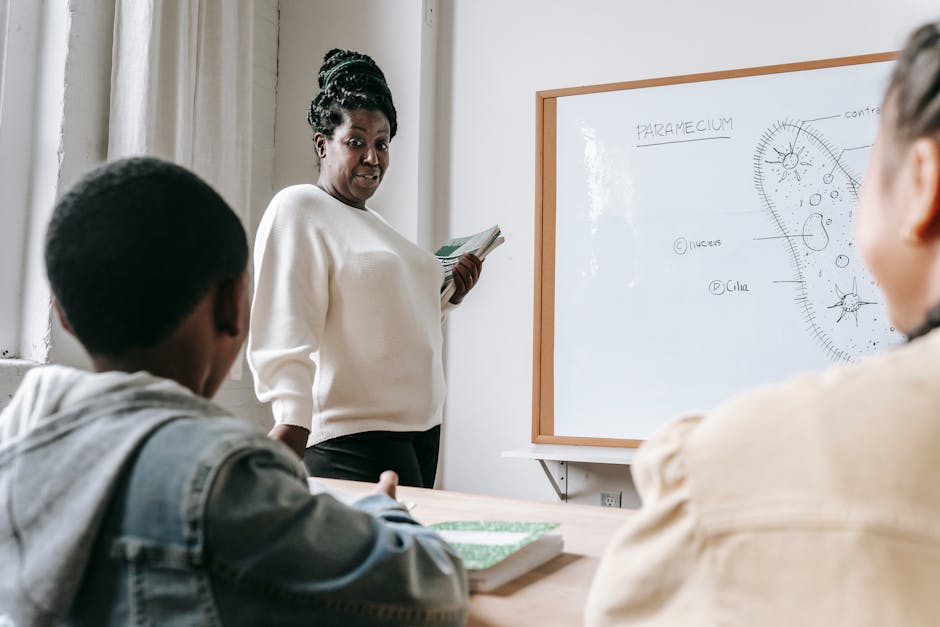
One of the most significant shifts in education today is the integration of technology into the classroom. Schools are increasingly adopting digital tools to facilitate learning, making it more interactive and engaging for students. With the use of tablets, laptops, and educational software, teachers can create a more personalized learning environment.
For instance, platforms like Khan Academy and Coursera are revolutionizing access to education by offering courses from top universities to anyone with an internet connection. This democratization of learning allows students to learn at their own pace and revisit complex topics as needed.
Moreover, the implementation of Learning Management Systems (LMS) enables educators to track student progress and tailor their teaching methods accordingly. These systems can provide insights into areas where students struggle, allowing for timely interventions that can lead to improved outcomes.
The Rise of Online Learning
Online learning has gained significant traction over the past few years, particularly in the wake of the global pandemic. Educational institutions were forced to adapt quickly, leading to a surge in online course offerings. This shift has not only made education more accessible but has also introduced flexibility that traditional classrooms often lack.
Many students now prefer online learning due to its convenience, allowing them to balance their studies with work or personal commitments. According to a report by the Online Learning Consortium, over 6.9 million students in the United States were enrolled in at least one online course in 2018, a figure that has only grown since then.
However, online learning also presents its own set of challenges, such as the need for self-discipline and time management skills. Institutions must ensure that they provide adequate support to students navigating this new learning landscape.
Fostering Soft Skills for the Future
While academic knowledge is crucial, the future of education also emphasizes the importance of soft skills. Employers increasingly seek candidates who possess strong communication, teamwork, and problem-solving abilities. As such, educational programs are beginning to incorporate these skills into their curricula.
Group projects, presentations, and collaborative assignments foster an environment where students can develop these essential skills. For example, schools are implementing project-based learning, where students work in teams to solve real-world problems, thereby enhancing their critical thinking and collaboration skills.
Furthermore, mentorship programs and internships provide students with opportunities to apply their skills in real-world settings, preparing them for the workforce. By bridging the gap between education and employment, institutions can better equip students for future challenges.
Global Learning and Cultural Exchange
The globalization of education has opened doors for cultural exchange and collaboration among students from diverse backgrounds. Programs like student exchange initiatives and international partnerships allow learners to gain exposure to different cultures and perspectives.
These interactions not only broaden students’ horizons but also cultivate a sense of global citizenship. For instance, universities are increasingly offering joint degree programs that encourage cross-border collaboration, fostering an international community of learners.
As education becomes more interconnected, the ability to work with individuals from various cultural backgrounds will be an invaluable asset in the global job market.
Conclusion: A Holistic Approach to Education
As we look to the future, it is clear that education must evolve to meet the needs of a rapidly changing world. By embracing technology, promoting online learning, fostering soft skills, and encouraging cultural exchange, we can create a more holistic educational experience for all students.
Ultimately, the goal is to prepare learners not just for academic success, but for life beyond the classroom. Institutions must adapt to these changes, ensuring that they provide the necessary resources and support to help students thrive in an increasingly complex and interconnected world. As we continue to explore innovative educational practices, the potential for transformative learning experiences is limitless. For those looking for a comprehensive preparation for nursing exams, consider exploring resources such as In person Nclex review in Houston, which can enhance your readiness for the challenges ahead.