
The CBD industry has witnessed exponential growth in recent years, transforming from a niche market into a mainstream phenomenon. With the increasing legalization of cannabis products across various regions, businesses are eager to tap into the lucrative world of CBD. This article explores the wholesale aspect of CBD products, providing insights into trends, challenges, and opportunities for entrepreneurs.
Understanding the CBD Market
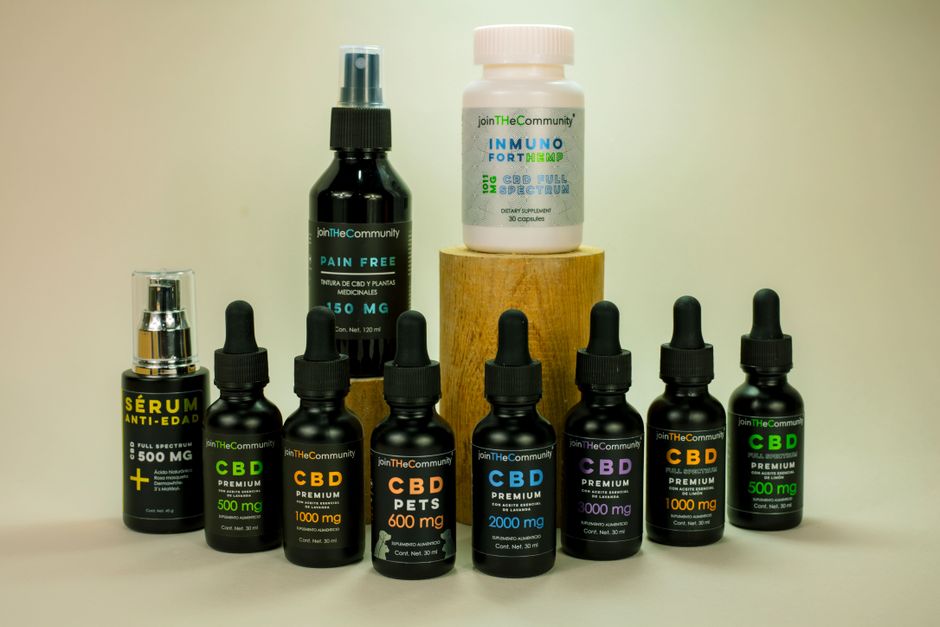
The CBD market is projected to reach $20 billion by 2024, according to industry reports. This rapid growth can be attributed to several factors, including the rising consumer awareness of the health benefits associated with CBD, such as pain relief, anxiety reduction, and anti-inflammatory properties. As more people seek natural alternatives to traditional medicine, the demand for CBD products continues to soar.
In addition to health benefits, the increasing popularity of CBD-infused products—ranging from oils and tinctures to beauty products and edibles—has further propelled the market. Businesses looking to enter this space can benefit from understanding the dynamics of supply and demand, particularly in the wholesale sector.
The Benefits of Wholesale CBD Products
Wholesale purchasing offers numerous advantages for retailers and entrepreneurs in the CBD space. One of the primary benefits is cost savings. By buying in bulk, retailers can reduce their per-unit costs, allowing for higher profit margins when they sell to consumers. This is particularly important in a competitive market where pricing can significantly influence purchasing decisions.
Moreover, wholesale purchasing enables businesses to offer a diverse range of products without the need for extensive inventory management. Retailers can stock various CBD items, catering to different customer preferences and increasing their chances of making sales. For example, a shop might offer a selection of CBD oils, gummies, and topical creams, appealing to both wellness enthusiasts and casual buyers.
Choosing the Right Wholesale Supplier
Finding a reliable wholesale supplier is crucial for the success of any CBD business. Entrepreneurs should look for suppliers that provide third-party lab testing results, ensuring the quality and safety of their products. Transparency in sourcing and manufacturing processes is also essential. Retailers should choose suppliers whose practices align with their brand values and who are committed to ethical sourcing.
In addition, potential partners should offer a range of products and competitive pricing. Retailers can enhance their offerings by collaborating with suppliers that provide unique formulations or innovative product types. For instance, some suppliers may offer organic or vegan options, which can attract a broader customer base.
Once a suitable supplier is identified, establishing a strong relationship can lead to beneficial terms, such as volume discounts or exclusive product lines. This partnership can be instrumental in differentiating a business in a crowded market.
Navigating Legal and Regulatory Challenges
The CBD market is subject to complex legal and regulatory frameworks that vary significantly across regions. Entrepreneurs must stay informed about the laws governing CBD products in their specific markets. This includes understanding the legal limits on THC content, labeling requirements, and restrictions on marketing claims.
Compliance with regulations is crucial to avoid legal issues that could jeopardize a business. Retailers should consult legal experts or industry associations to ensure they are adhering to all relevant guidelines. Additionally, maintaining open communication with suppliers regarding compliance can help mitigate risks associated with product sourcing.
Marketing Strategies for Wholesale CBD Products
Effective marketing strategies are essential for businesses looking to succeed in the competitive CBD landscape. Retailers should leverage digital marketing channels, such as social media and email campaigns, to reach potential customers. Engaging content that educates consumers about the benefits of CBD can help build trust and loyalty.
Furthermore, branding plays a significant role in attracting customers. Businesses should aim to create a strong brand identity that resonates with their target audience. This includes designing eye-catching packaging, developing a user-friendly website, and ensuring consistent messaging across all platforms.
Partnerships with influencers or wellness advocates can also enhance visibility and credibility. Collaborating with individuals who align with a brand’s values can help to amplify marketing efforts and reach a broader audience.
As part of a comprehensive marketing strategy, retailers should consider exploring wholesale options to expand their product offerings. By partnering with reliable suppliers, they can access quality products and effectively meet customer demand.
For those interested in the wholesale aspect of CBD products, resources are available for learning more about how to navigate this growing market. One such option is to explore CBD product wholesale opportunities that can elevate your business.
Conclusion
The wholesale CBD market presents significant opportunities for entrepreneurs willing to navigate its complexities. By understanding market dynamics, choosing reliable suppliers, and implementing effective marketing strategies, businesses can position themselves for success in this burgeoning industry. With the right approach, the future of CBD retail can be both profitable and rewarding.