
Cardiopulmonary resuscitation (CPR) is a critical lifesaving procedure that can significantly increase the chances of survival in cardiac arrest situations. Understanding the fundamentals of CPR can empower individuals to act swiftly and effectively in emergencies. The ability to perform CPR can mean the difference between life and death, making it an essential skill for everyone.
Understanding CPR: The Basics
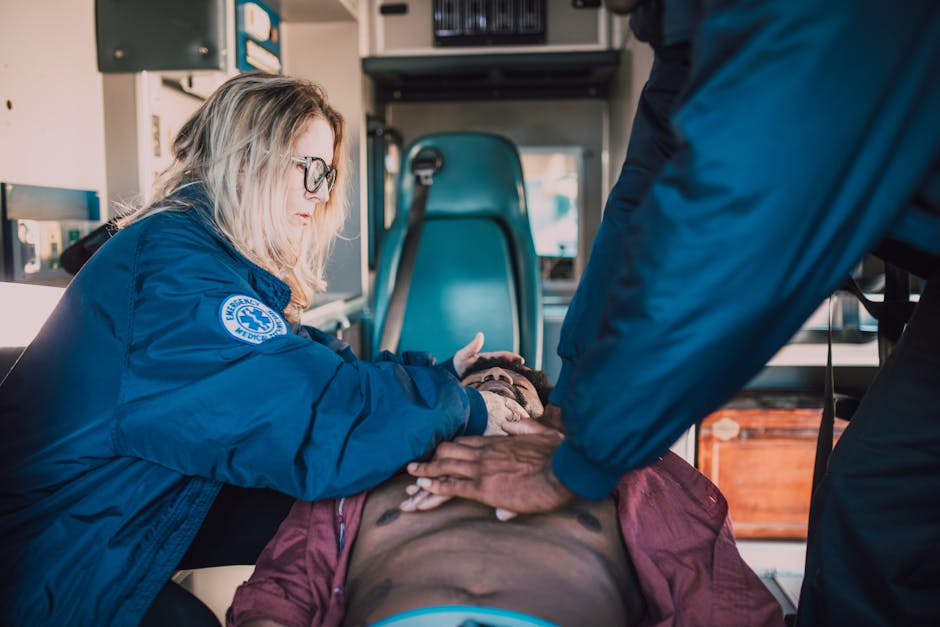
CPR involves a combination of chest compressions and rescue breaths. The primary goal is to maintain blood circulation and oxygenation to vital organs until professional medical help arrives. When a person’s heart stops, the brain can only survive without oxygen for a few minutes before irreversible damage occurs. According to the American Heart Association, effective bystander CPR can double or even triple a victim’s chance of survival.
Statistically, approximately 70% of cardiac arrests happen at home, meaning that ordinary citizens are often the first responders. Familiarizing oneself with the basic steps of CPR can significantly empower anyone to take action when necessary.
The basic steps of CPR include calling emergency services, checking for responsiveness, and immediately starting chest compressions if the person is unresponsive and not breathing. These actions should be performed without hesitation.
The Steps of CPR
To perform CPR, follow these critical steps:
- Call for Help: Always begin by calling emergency services. This ensures that professional medical personnel are on their way while you perform CPR.
- Check Responsiveness: Gently shake the person and shout. If there’s no response, proceed with CPR.
- Open the Airway: Tilt the person’s head back slightly to open the airway. This can be done using the head-tilt, chin-lift maneuver.
- Check for Breathing: Look, listen, and feel for breathing for no more than 10 seconds. If the person is not breathing or only gasping, begin CPR.
- Start Chest Compressions: Place the heel of one hand on the center of the person’s chest and the other hand on top. Push down hard and fast, at a rate of 100 to 120 compressions per minute.
After 30 compressions, give 2 rescue breaths if trained. Repeat the cycle of compressions and breaths until emergency help arrives or the person shows signs of life.
Importance of Training
While understanding CPR is vital, receiving formal training is equally important. Certified courses teach participants the proper techniques and provide hands-on experience. These skills can be critical in real-life situations where every second counts.
Many organizations, including the American Red Cross and the American Heart Association, offer CPR certification courses. These courses often include practice scenarios and the use of mannequins to ensure that participants feel confident in their skills. Additionally, many community centers and hospitals provide free or low-cost training options.
For those in Stockholm looking to enhance their CPR skills, attending a dedicated training session can be beneficial. You can find comprehensive courses available at various locations, such as HLR kurs Stockholm.
CPR for Different Age Groups
CPR techniques can vary based on the age of the patient. Performing CPR on infants and children differs from adults due to their size and physiology. For infants, you should use two fingers for compressions and cover their mouth and nose with your mouth for rescue breaths.
When providing CPR to children, compressions should be performed with one hand and at a depth of about 1.5 inches. The recommended rate remains the same: 100 to 120 compressions per minute. It’s crucial to adapt your technique based on the victim’s age to ensure effective resuscitation.
Overcoming Barriers to CPR
Despite the clear benefits of knowing CPR, many individuals hesitate to perform it due to fear of causing harm or a lack of confidence. However, studies show that most bystanders are more likely to help if they witness someone collapse and know CPR.
Another barrier is the fear of legal repercussions. The Good Samaritan laws in many regions protect individuals who attempt to assist in emergencies, provided their actions are reasonable and intended to help. Education and awareness can mitigate these fears and encourage more people to learn and perform CPR.
Conclusion
Cardiopulmonary resuscitation is an invaluable skill that can save lives in critical situations. Understanding the principles of CPR and receiving proper training can empower individuals to act swiftly when it matters most. By familiarizing ourselves with these life-saving techniques, we can create a safer community where more people are prepared to step in during emergencies. Investing time in learning CPR is an investment in the safety and well-being of ourselves and those around us.