
Stainless steel is more than just a material; it is a testament to modern engineering and design. Known for its durability, resistance to corrosion, and aesthetic appeal, stainless steel has found its way into various industries and applications. From kitchen appliances to construction, its versatility makes it a popular choice among designers and manufacturers alike. In this article, we will explore the various attributes of stainless steel, its applications, and the reasons behind its growing popularity.
What is Stainless Steel?
Stainless steel is an alloy primarily composed of iron, chromium, and small amounts of other elements such as nickel and molybdenum. The chromium content, typically at least 10.5%, is what gives stainless steel its corrosion-resistant properties. This characteristic makes it an ideal choice for environments that are prone to moisture and corrosive substances.
There are several grades of stainless steel, each designed for specific applications. For example, 304 stainless steel is commonly used in kitchen appliances and food processing equipment due to its excellent corrosion resistance and ease of fabrication. On the other hand, 316 stainless steel, with added molybdenum, offers superior resistance to saltwater, making it suitable for marine applications.
In recent years, the demand for stainless steel has surged, primarily due to its sustainability. Stainless steel is 100% recyclable, which not only reduces waste but also conserves natural resources.
Applications of Stainless Steel
The applications of stainless steel are vast and varied. In the construction industry, it is utilized for structural components, facades, and roofing materials. Its strength and durability make it a preferred choice for buildings that require longevity and minimal maintenance.
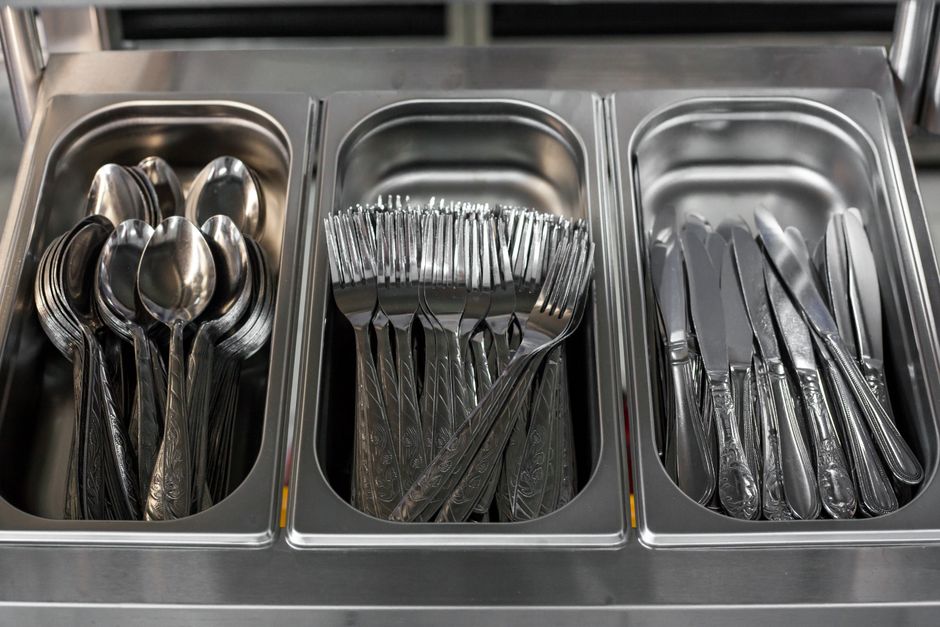
In the culinary world, stainless steel is the material of choice for cookware, utensils, and appliances. Its non-reactive nature ensures that food retains its flavor, and its easy-to-clean surface makes it hygienic. Many high-end kitchens feature stainless steel countertops and backsplashes, adding a modern touch to their design.
Moreover, stainless steel’s aesthetic appeal extends to furniture design. Many contemporary pieces feature stainless steel frames or accents, combining functionality with a sleek, modern look. For instance, a furniture company in Saudi Arabia has embraced stainless steel in their designs, creating durable and stylish pieces that resonate with modern aesthetics. Furniture Company In Saudi Arabia
Advantages of Using Stainless Steel
The advantages of stainless steel are numerous. One of the most significant benefits is its resistance to corrosion and staining. This property ensures that products made from stainless steel maintain their appearance and functionality over time, reducing the need for replacements.
Another critical advantage is its strength-to-weight ratio. Stainless steel is both strong and lightweight, making it an ideal option for various applications, from automotive parts to aerospace components. This attribute contributes to improved fuel efficiency and overall performance in vehicles.
Furthermore, stainless steel is low maintenance. Unlike other materials that require regular painting or finishing, stainless steel only needs periodic cleaning to retain its luster. This factor is particularly advantageous in commercial settings where hygiene and appearance are paramount.
Environmental Considerations
In today’s world, sustainability is a driving factor in material selection. Stainless steel stands out as an environmentally friendly option due to its recyclability. According to the International Stainless Steel Forum, over 70% of stainless steel is recycled, resulting in a significant reduction in waste and resource consumption.
Additionally, the production of stainless steel has become more energy-efficient, further enhancing its environmental credentials. Manufacturers have adopted cleaner production methods and technologies that reduce emissions and energy usage, making stainless steel a more sustainable choice compared to other materials.
As consumers become more environmentally conscious, the demand for sustainable materials like stainless steel is expected to rise, influencing design trends across industries.
Future Trends in Stainless Steel
The future of stainless steel looks promising, with continuous advancements in technology and design. Innovations in alloy compositions are being developed to enhance specific properties, such as increased strength, improved corrosion resistance, and even self-cleaning capabilities.
Furthermore, the integration of stainless steel with smart technologies is gaining traction. For example, smart kitchen appliances that utilize stainless steel are being designed with features that improve energy efficiency and convenience.
As industries evolve, stainless steel will continue to play a pivotal role in design and functionality, adapting to meet the changing needs of consumers and businesses alike.
Conclusion
In conclusion, stainless steel is a versatile and essential material that has established its place across various industries. Its unique properties, coupled with its aesthetic appeal and sustainability, make it an ideal choice for a wide range of applications. As technology advances and consumer preferences shift, the role of stainless steel is likely to expand, paving the way for innovative designs and solutions that harness its many benefits. Whether in construction, culinary arts, or furniture design, stainless steel remains a symbol of modernity and durability.