
In today’s fast-paced business environment, the aesthetics and functionality of commercial spaces have become crucial for success. A well-designed interior can enhance employee productivity, attract customers, and represent a brand’s identity. This is where the expertise of a commercial interior designer comes into play. These professionals specialize in creating environments that are not only visually appealing but also practical and aligned with the business’s goals.
The Importance of Commercial Interior Design
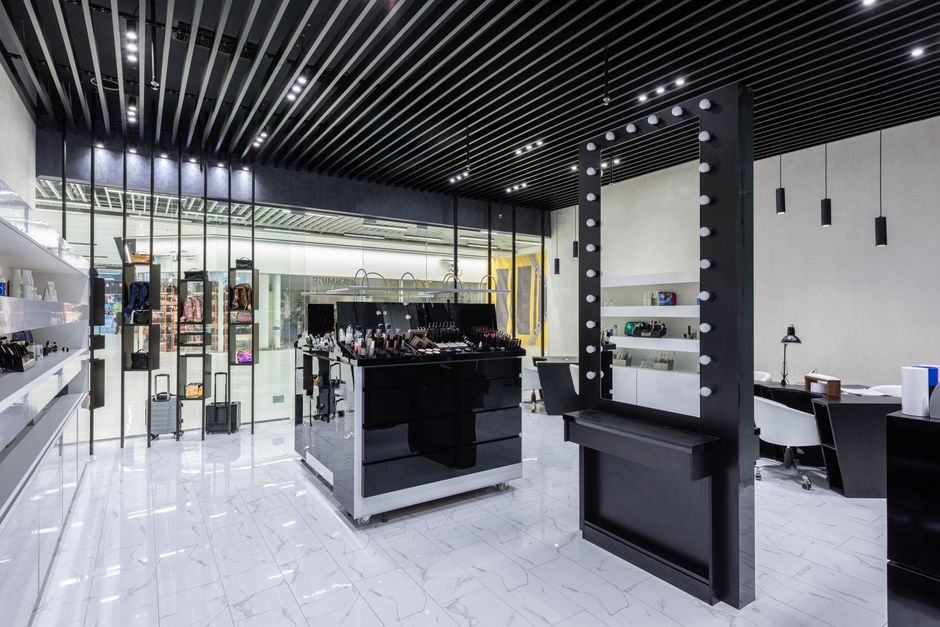
Commercial interior design goes beyond mere decoration; it involves a comprehensive understanding of the space’s purpose and how it can best serve its users. Studies have shown that well-designed workspaces can enhance productivity by up to 20%. This statistic underscores the necessity of investing in professional design services, particularly in competitive industries.
Moreover, a thoughtfully designed commercial space can significantly impact customer perception. Retail stores, for example, that utilize effective interior design strategies can increase sales by improving the shopping experience. Customers are more likely to return to a store that is visually appealing and easy to navigate.
In addition, commercial interior designers play a pivotal role in ensuring that spaces are compliant with safety regulations and accessible to all users. This includes understanding local building codes and implementing design solutions that meet these requirements.
Key Elements of Commercial Interior Design
When embarking on a commercial interior design project, several key elements must be considered. First and foremost is understanding the brand’s identity and how it can be reflected in the design. Colors, materials, and layouts should all align with the brand’s message.
Another essential aspect is functionality. The layout must facilitate the intended activities within the space, whether it’s an office, retail store, or restaurant. A good commercial interior designer will analyze workflows and customer interactions to optimize the layout accordingly.
Additionally, lighting plays a crucial role in commercial spaces. Natural light is often preferred, as it can improve mood and reduce energy costs. Designers must find a balance between natural and artificial lighting to create an inviting atmosphere.
Collaboration with Other Professionals
Effective commercial interior design often requires collaboration with architects, builders, and other specialists. This multidisciplinary approach ensures that the design is not only aesthetically pleasing but also structurally sound and practical.
For instance, during the renovation of a historic building into a modern office space, a commercial interior designer must work closely with architects to preserve the building’s integrity while implementing contemporary design elements.
Moreover, engaging with contractors early in the design process can help identify potential challenges and streamline the execution of the design. This collaboration can save time and reduce costs, making it an essential part of any successful project.
Trends in Commercial Interior Design
The field of commercial interior design is continually evolving, with new trends emerging to meet changing needs and preferences. One notable trend is the incorporation of sustainable materials and practices into design projects. Businesses are increasingly aware of their environmental impact, and designers are adapting by sourcing eco-friendly materials and implementing energy-efficient solutions.
Another trend is the rise of flexible spaces that can be easily reconfigured for different uses. This adaptability is particularly important in workplaces, where remote and hybrid work models are becoming more common. Designers are creating multifunctional areas that can accommodate various activities, from collaborative meetings to quiet workspaces.
Finally, technology integration is becoming more prevalent in commercial interior design. Smart building technologies can enhance energy efficiency and improve the user experience, making them a valuable consideration for modern design projects.
Conclusion: The Future of Commercial Interior Design
As businesses continue to adapt to changing environments, the role of the commercial interior designer will only become more critical. These professionals are at the forefront of creating spaces that foster innovation, collaboration, and well-being. By understanding the unique needs of each business and leveraging design principles, a commercial interior designer can transform a simple space into an inspiring and functional environment.
In conclusion, investing in professional design services is a strategic move for any business looking to enhance its operational efficiency and customer satisfaction. Embracing the insights of a qualified commercial interior designer can lead to remarkable transformations that benefit both employees and customers alike.