
Replacing a roof is a significant investment that many homeowners face at some point. It is essential to understand the various factors that contribute to roof replacement costs, as this knowledge can help you make informed decisions when the time comes for your own home. From the materials used to labor costs, each element plays a crucial role in determining the total expense. In this article, we will explore the various components of roof replacement costs and provide practical advice to help you navigate this important home improvement project.
Factors Influencing Roof Replacement Costs
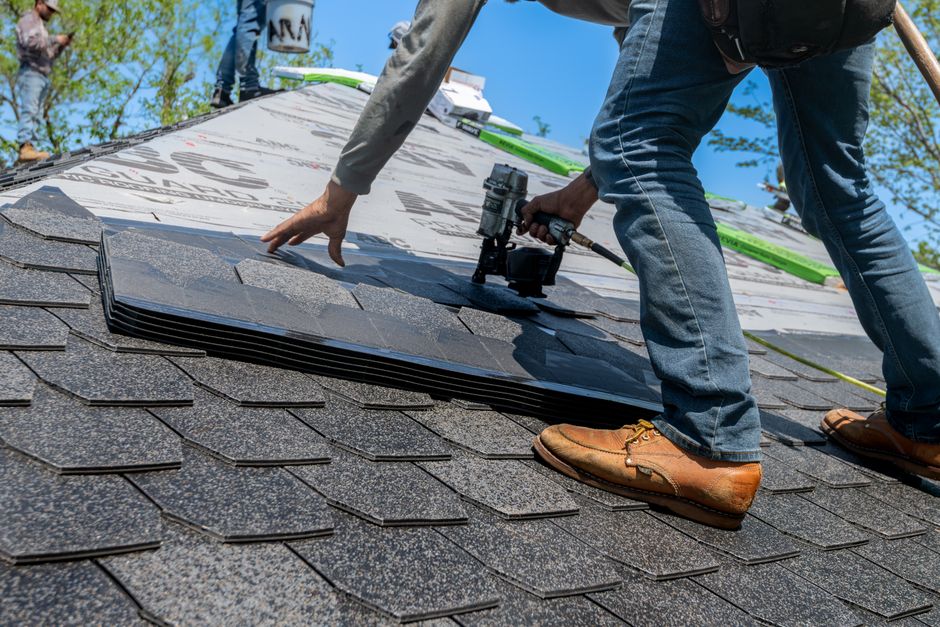
One of the primary factors influencing roof replacement costs is the type of material you choose. Roofs can be made from a variety of materials, including asphalt shingles, metal, tile, and slate. Each material comes with its own price point, durability, and aesthetic appeal. For instance, asphalt shingles are generally the most affordable option, while materials like slate can be significantly more expensive but offer longer lifespans and enhanced curb appeal.
Additionally, the size of your roof will directly impact the total cost. Larger roofs require more materials and labor, which can lead to higher expenses. According to industry standards, roofing contractors typically charge per square foot, making it crucial to measure your roof accurately before obtaining quotes.
Furthermore, the complexity of your roof’s design can also affect costs. Roofs with multiple slopes, valleys, or unique architectural features may require additional labor and time to replace, increasing the overall price. It’s vital to discuss these details with a contractor to get an accurate estimate.
Labor Costs and Contractor Selection
Labor costs are another significant component of roof replacement expenses. The rates charged by roofing contractors can vary widely based on factors such as geographic location, contractor experience, and the current demand for roofing services. In metropolitan areas, for example, labor costs may be higher due to increased demand and a higher cost of living.
When selecting a contractor for your roof replacement project, it is essential to do your research. Obtain multiple quotes from different contractors and check their references and online reviews. A reputable contractor will provide a detailed estimate, including labor and material costs, and be transparent about any additional fees that may arise during the project.
It’s also advisable to consider the warranty offered by the contractor. A good warranty can provide peace of mind and protect you from unexpected repair costs in the future.
Hidden Costs to Consider
While planning for roof replacement, homeowners should be aware of potential hidden costs that can arise during the project. For example, if your current roof has multiple layers of shingles, the contractor may need to remove these layers before installing the new roof. This additional step can increase both labor costs and disposal fees.
Another hidden cost may involve the need for structural repairs. If your roof has sustained damage over the years, such as rotting wood or water damage, these issues must be addressed prior to installing a new roof. Be prepared for the possibility of unexpected repairs that can add to your overall budget.
Additionally, you may want to consider investing in roof ventilation or insulation improvements at the time of replacement. These upgrades can enhance the energy efficiency of your home and lead to long-term savings on heating and cooling costs.
Budgeting and Financing Options
As with any home improvement project, budgeting for roof replacement is essential. Begin by determining the average cost of roof replacement in your area and consider the factors discussed above. It’s also prudent to set aside a contingency fund to cover any unexpected expenses that may arise during the project.
If the cost of roof replacement is more than you can afford upfront, there are various financing options available. Many contractors offer financing plans, or you may consider applying for a home equity loan or a personal loan. Be sure to compare interest rates and terms to find the best option for your financial situation.
Additionally, some homeowners may be eligible for grants or assistance programs that can help offset the costs of roof replacement, especially if the work is necessary due to storm damage or other qualifying circumstances.
Conclusion
In summary, understanding the various factors that contribute to roof replacement costs is crucial for homeowners planning this significant investment. By considering material choices, labor costs, hidden expenses, and financing options, you can make informed decisions that suit your budget and needs. Remember to do thorough research when selecting a contractor and always prepare for the unexpected. For more detailed information on the roof replacement cost, consulting with professionals in your area can provide valuable insights tailored to your specific situation.