
Crime scenes are often chaotic places filled with emotional turmoil and physical evidence. However, the responsibility of cleaning up after a crime is a critical task that requires a specialized approach. Many may not realize that crime scene cleanup is not just about removing visible traces of crime; it is about restoring a space to its original condition and ensuring that any potential health hazards are effectively managed. This article delves into the intricacies of crime scene cleanup, highlighting its importance, processes, and the professionals involved.
What is Crime Scene Cleanup?
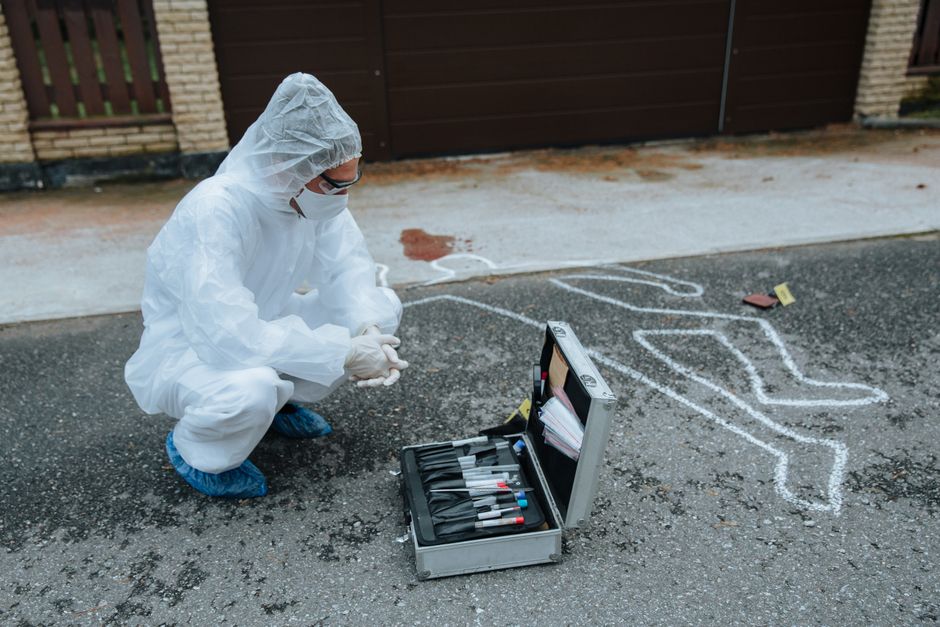
Crime scene cleanup refers to the process of cleaning and restoring a location where a violent crime or traumatic event has occurred. This can include various situations such as homicides, suicides, and accidental deaths. It is essential for the well-being of the community and the victims’ families to ensure that these spaces are cleaned thoroughly and safely. Professionals in this field are trained to handle hazardous materials, including blood and other bodily fluids, which can pose serious health risks if not managed correctly.
Understanding the significance of proper cleanup is crucial. Beyond the physical cleaning, it’s about providing closure for families and ensuring that the site can be safely used again. The process often requires specialized knowledge of biohazard handling and emotional sensitivity towards those affected.
The Cleanup Process: Step by Step
The cleanup process typically begins with an assessment of the crime scene. Professionals wearing protective gear will evaluate the area to identify the extent of contamination. This includes locating blood spills, biological materials, and any other hazardous substances. After the assessment, the actual cleaning begins, which involves several critical steps.
1. **Safety First**: Before any cleanup can occur, ensuring the safety of the workers is paramount. This includes using personal protective equipment (PPE) such as gloves, masks, and protective clothing.
2. **Containment**: The area must be contained to prevent any cross-contamination. This may involve sealing off the site and using specialized equipment to manage airborne contaminants.
3. **Removal of Hazardous Materials**: All biohazardous materials must be removed and disposed of according to local regulations. This is where proper training and licensing come into play, as improper disposal can lead to legal consequences.
4. **Disinfection**: After the removal of hazardous materials, the area must be thoroughly disinfected using industrial-grade cleaning solutions. This step is vital to mitigate health risks associated with pathogens.
5. **Restoration**: Finally, professionals work on restoring the space to its original condition. This may involve repairing walls, replacing flooring, and repainting to ensure that there are no visible signs of the traumatic event.
The Role of Professional Cleanup Services
Professional crime scene cleanup services are essential in managing these challenging situations. These companies are staffed with individuals who are not only trained in the technical aspects of cleanup but also possess the emotional intelligence to interact compassionately with families and victims. The psychological toll of dealing with a crime scene can be overwhelming for families, and having professionals manage the cleanup can provide a sense of relief during a difficult time.
Many people may wonder how to select a reputable crime scene cleanup service. It is advisable to look for companies with proper certifications, positive reviews, and experience in the field. Additionally, they should be available 24/7, as crime scene incidents can happen at any time.
For those interested in learning more about the specifics of the cleanup process, resources are available online that detail the protocols and best practices followed by professionals in the field. One such resource is the comprehensive guide on crime scene cleanup.
Health Risks Associated with Improper Cleanup
Improper cleanup of crime scenes can pose significant health risks to individuals who may unknowingly come into contact with hazardous materials. Bloodborne pathogens, such as HIV and Hepatitis B, can survive outside the body for extended periods, highlighting the necessity for professional cleanup.
In addition to biological risks, exposure to chemical agents, especially in cases of drug-related incidents, can lead to long-term health effects. Therefore, the cleanup process should never be underestimated, and the involvement of trained professionals is crucial.
Moreover, unauthorized or amateur attempts at cleanup can lead to contamination of surrounding areas, further complicating the situation. This emphasizes the importance of engaging specialists who understand the nuances of biohazard management.
Conclusion
In summary, crime scene cleanup is a vital service that goes beyond mere physical cleaning. It involves a complex process that requires specialized training, emotional sensitivity, and strict adherence to health and safety regulations. By understanding the importance of professional cleanup services, we can better appreciate the role they play in the aftermath of tragic events. For families and communities, engaging a professional cleanup service can provide peace of mind and help restore a sense of normalcy after a traumatic experience.