
In an era where workplace safety and employee wellness are paramount, the role of drug testing services has never been more critical. These services not only help maintain a drug-free environment but also protect businesses from potential legal liabilities and enhance overall productivity. As we delve into this topic, we will explore various aspects of drug testing services, their significance, and the methodologies involved.
The Necessity of Drug Testing in Various Industries
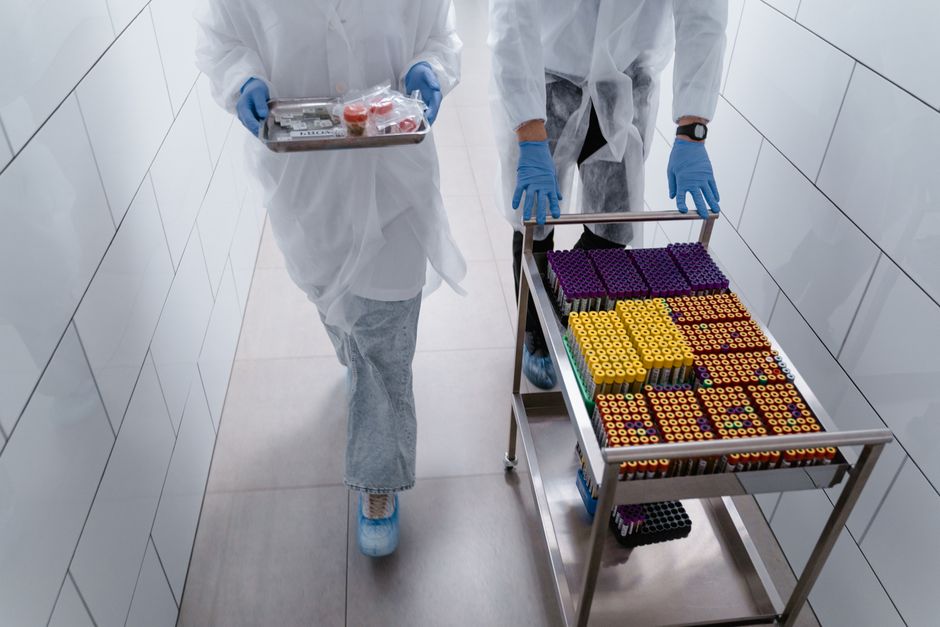
Drug testing is crucial across multiple sectors, including transportation, healthcare, and manufacturing, where the safety of employees and the public is at risk. For example, the Department of Transportation mandates drug testing for commercial drivers to ensure public safety. A report from the National Institute on Drug Abuse indicates that workplaces with drug testing policies experience 51% fewer workplace accidents, highlighting the importance of these services.
Moreover, in healthcare settings, employees must be free from substances that could impair their judgment or performance. A study conducted by the Substance Abuse and Mental Health Services Administration showed that drug testing in healthcare reduces the likelihood of malpractice claims, thereby safeguarding both patients and providers.
Types of Drug Testing Services
Drug testing services can be categorized into several types, including urine, saliva, hair, and blood testing. Each method has its advantages and limitations. Urine testing is the most common due to its cost-effectiveness and ability to detect a wide range of substances. In contrast, hair testing provides a longer detection window, making it suitable for determining long-term substance use.
Saliva testing has gained popularity for its non-invasive nature and quick results. Blood testing, while the most accurate, is less frequently used due to its invasive nature and higher costs. Understanding these differences is essential for employers when choosing the appropriate testing method for their needs.
Implementing a Drug Testing Policy
Establishing a drug testing policy requires careful planning and clear communication. Employers should outline the purpose of the testing, the substances being tested, and the consequences of a positive result. It is crucial to ensure that the policy complies with local laws and regulations to avoid potential legal issues.
Furthermore, involving employees in the policy development process can foster a culture of transparency and trust. Providing educational resources about substance abuse and its impact can also help employees understand the importance of drug testing. Regular training for managers and HR personnel on how to handle testing situations is equally important.
The Role of Drug Testing Services in Employee Wellness
Drug testing services play a vital role in promoting employee wellness. By encouraging a drug-free workplace, companies can improve overall morale and productivity. According to a report by the National Safety Council, organizations that implement drug testing programs see a 30% decrease in absenteeism, which can significantly impact operational efficiency.
Additionally, these services can identify employees who may be struggling with substance abuse issues, allowing for intervention and support. By providing access to counseling and rehabilitation programs, employers can help employees regain their footing, benefiting both the individual and the organization.
Future Trends in Drug Testing Services
The drug testing industry is evolving with advancements in technology and changes in legislation. The rise of oral fluid testing is gaining traction due to its convenience and ability to detect recent drug use. Furthermore, as marijuana legalization becomes more widespread, employers are reevaluating their drug testing policies to adapt to changing societal norms.
Additionally, the integration of technology in drug testing services, such as mobile testing units and online reporting, is enhancing accessibility and efficiency. Employers are increasingly turning to third-party providers to manage their drug testing needs, allowing them to focus on their core business operations.
For comprehensive drug testing solutions, many organizations turn to reputable providers. One such option is a drug testing service that offers a range of testing methods tailored to meet specific industry requirements.
Conclusion
In conclusion, drug testing services are an essential component of maintaining a safe and productive work environment. With their ability to deter substance abuse, enhance employee wellness, and protect businesses from legal repercussions, these services are invaluable for organizations across various industries. As the landscape of drug testing continues to evolve, staying informed about the latest trends and best practices will be crucial for employers committed to fostering a healthy workplace.