
In the complex world of aviation, safety is paramount. However, even the most stringent safety measures cannot completely eliminate risks associated with flying. This is where aviation insurance plays a crucial role. It serves as a safety net for aircraft owners, operators, and passengers alike, providing financial protection in the event of unforeseen incidents. In this article, we will explore the various facets of aviation insurance, its types, and why it is vital for anyone involved in the aviation industry.
What is Aviation Insurance?
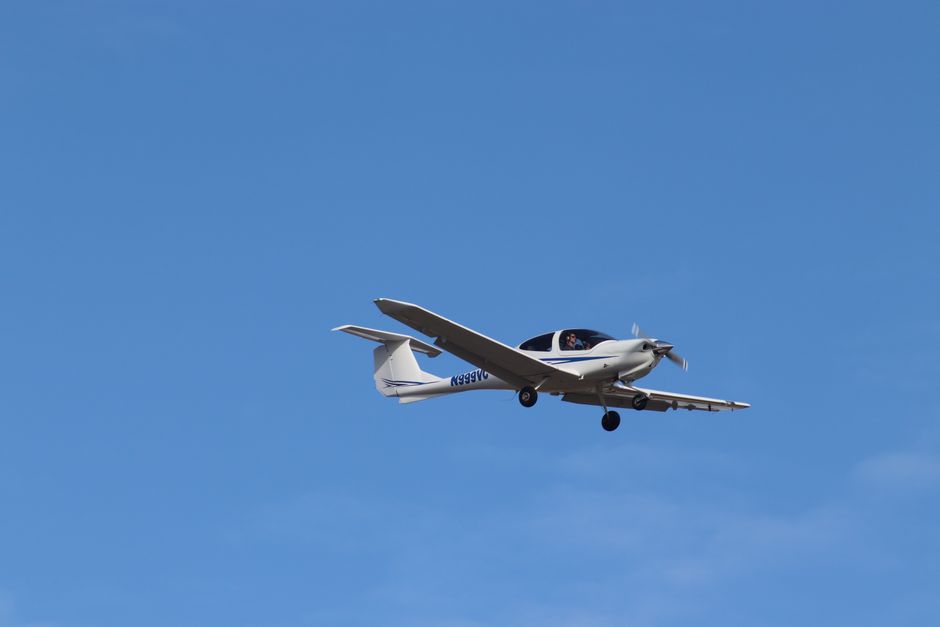
Aviation insurance is a specialized form of insurance that provides coverage for aircraft operations. It protects against losses that may arise from various risks, including accidents, damage to aircraft, liability for third-party injuries, and property damage. This type of insurance can cover both commercial and private aviation, making it essential for a wide range of stakeholders in the aviation sector.
One of the primary reasons aviation insurance is so important is the high cost associated with owning and operating an aircraft. A small accident can lead to substantial repair costs, legal liabilities, and even loss of life. Therefore, having comprehensive coverage can alleviate some of the financial burdens that may arise from such incidents.
Types of Aviation Insurance
There are several types of aviation insurance policies available, each tailored to specific needs. The most common types include:
- Hull Insurance: This covers physical damage to the aircraft itself, whether from accidents, theft, or natural disasters.
- Liability Insurance: This protects the insured from legal liabilities arising from injuries to passengers or third parties, as well as property damage caused by the aircraft.
- Passenger Liability Insurance: Specifically designed to cover claims made by passengers in the event of an accident.
- Airport Liability Insurance: Covers liabilities incurred by airport operators, including injuries to passengers and damage to their property.
Understanding the different types of coverage available is essential for aircraft owners to ensure they are adequately protected. For instance, a charter airline might require more extensive liability coverage compared to a private pilot flying recreationally.
Why is Aviation Insurance Necessary?
The necessity of aviation insurance cannot be overstated. The aviation industry is subject to stringent regulations and high standards of safety, yet accidents can and do happen. Without adequate insurance, the financial ramifications of an incident can be devastating.
For example, in 2019, a small aircraft crash in the United States resulted in over $2 million in damages and multiple fatalities. The aircraft owner faced not only the costs of repairs but also potential lawsuits from the victims’ families. Having a robust aviation insurance policy would have provided much-needed financial relief and support during such a tragic event.
Furthermore, aviation insurance is often a requirement for obtaining financing or leasing an aircraft. Lenders typically want to ensure that their investment is protected, and having insurance in place is a key part of that consideration.
Choosing the Right Aviation Insurance Provider
When selecting an aviation insurance provider, it is crucial to consider several factors to ensure you receive the best coverage for your needs. Look for insurers with a strong reputation in the aviation field, as well as those who understand the unique challenges and risks associated with flying.
Additionally, reviewing the claims process is essential. A provider with a straightforward and efficient claims process can save time and stress in the event of an accident. Also, consider the level of customer service provided; having a knowledgeable agent who can assist you with questions and concerns can make a significant difference.
Conclusion
In conclusion, aviation insurance is an indispensable part of the aviation industry, providing necessary financial protection for aircraft owners, operators, and passengers. With various types of policies available, it is essential to understand the coverage options and choose the right provider to ensure adequate protection. As the aviation industry continues to grow and evolve, so too will the need for comprehensive aviation insurance, making it a critical consideration for anyone involved in this dynamic field.