
In today’s fast-paced world, drug testing services have become an essential component for various sectors, including workplaces, schools, and rehabilitation centers. The increasing awareness of substance abuse and its impact on productivity, safety, and health has propelled these services into the spotlight. This article delves into what drug testing services entail, their importance, and the various methodologies employed.
What Are Drug Testing Services?
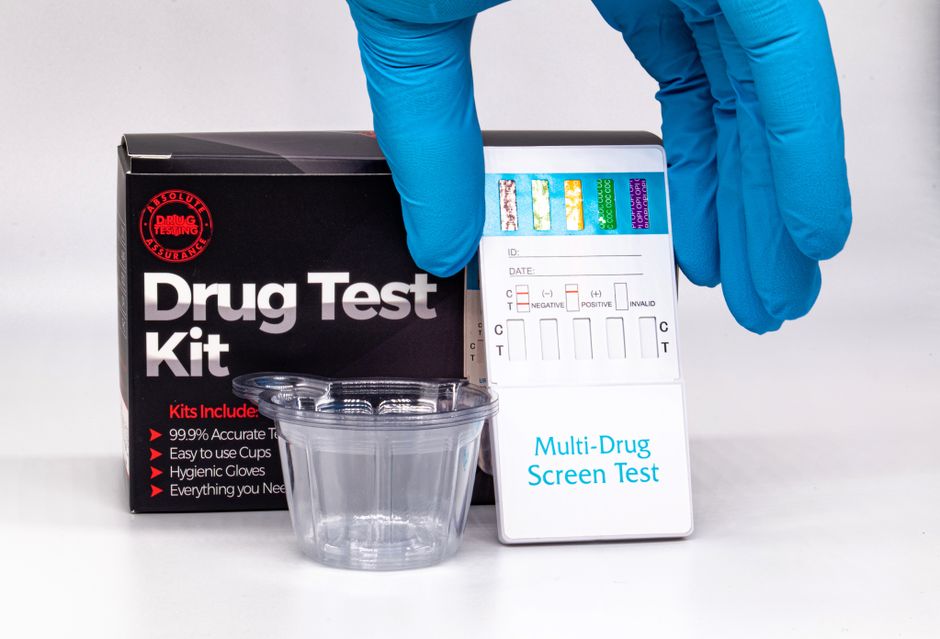
Drug testing services are specialized procedures used to detect the presence of drugs or their metabolites in an individual’s system. These tests can be conducted using various biological samples, including urine, blood, saliva, and hair. The choice of sample often depends on the context of the testing, such as workplace policies or legal requirements.
Typically, drug testing is categorized into pre-employment screenings, random testing, post-accident testing, and testing for cause. Each of these categories serves a different purpose and is crucial for maintaining a safe and productive environment. For instance, pre-employment screenings help employers ensure that they hire individuals who will not pose a risk to their workplace.
The Significance of Drug Testing in the Workplace
Implementing drug testing services in workplaces can significantly reduce the risks associated with substance abuse. According to the National Council on Alcoholism and Drug Dependence, about 70% of people who use illegal drugs are employed. This statistic highlights the potential issues that can arise from drug use in a professional setting.
Workplace drug testing serves to deter employees from engaging in substance abuse, ensuring safety and productivity. In industries such as transportation, healthcare, and construction, where safety is paramount, drug testing is not just a best practice; it is often a legal requirement. Furthermore, companies that implement drug testing often report lower accident rates and reduced healthcare costs.
Different Types of Drug Tests
The effectiveness of a drug testing service largely depends on the type of test administered. Here are some common types:
- Urine testing: This is the most common method due to its cost-effectiveness and ease of administration. It can detect a wide range of substances and is typically used for pre-employment screenings.
- Blood testing: While more invasive, blood tests can provide a more accurate measure of recent drug use, particularly for detecting substances like alcohol.
- Saliva testing: This method is gaining popularity for its non-invasive procedure and the quick results it offers, making it suitable for random testing.
- Hair testing: Although it is more expensive and takes longer to process, hair testing can detect drug use over a longer period, offering insights into chronic substance abuse.
Challenges and Considerations
Despite the benefits, drug testing services are not without challenges. Legal and ethical considerations must be addressed. For example, employers must ensure that their drug testing policies comply with local laws and regulations to avoid potential lawsuits.
Moreover, the accuracy of drug tests can be influenced by various factors, including the type of test used, the timing of the test, and the substances being tested for. False positives can occur, leading to wrongful accusations against employees. Therefore, it is critical for organizations to have a clear understanding of how to interpret results and to provide a fair process for employees.
Future Trends in Drug Testing Services
As technology advances, drug testing services are evolving. Innovations in testing methods, such as the development of rapid testing kits and the use of artificial intelligence to analyze results, are gaining traction. These advancements aim to improve the accuracy and efficiency of testing processes.
Moreover, there is a growing trend toward integrating drug testing services within employee wellness programs. By combining drug testing with support systems for substance abuse, organizations can foster a healthier workplace culture. This holistic approach not only addresses the immediate concerns of drug use but also promotes overall employee well-being.
For those interested in comprehensive solutions, exploring a reputable drug testing service can provide valuable insights and support tailored to specific needs.
Conclusion
In conclusion, drug testing services play a vital role in promoting safety and health across various sectors. As the landscape of drug use continues to evolve, so too must the approaches to testing. By staying informed about the types of tests available, understanding their significance, and navigating the challenges associated with them, organizations can effectively implement drug testing policies that enhance workplace safety and employee well-being.