
In the competitive world of dining, the importance of interior design cannot be overstated. A well-crafted restaurant interior not only enhances the dining experience but also strengthens brand identity and encourages customer loyalty. This article delves into the fundamental aspects of restaurant interior design, exploring how various elements come together to create an inviting atmosphere that attracts patrons.
Understanding the Importance of Interior Design
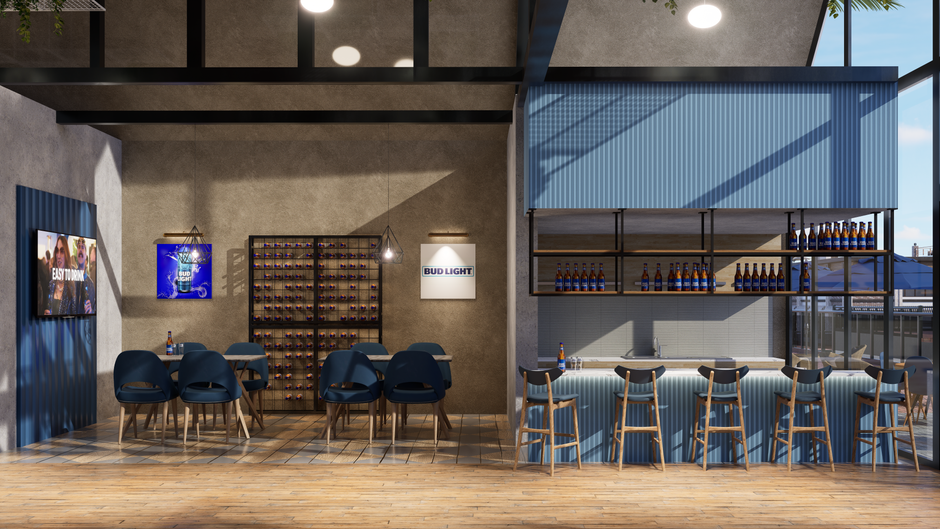
Interior design in restaurants goes far beyond aesthetics; it plays a crucial role in shaping the overall experience for diners. Studies indicate that the ambiance can influence customer behavior, with up to 70% of diners making decisions based on the restaurant’s atmosphere. Factors such as lighting, color schemes, and furniture layout contribute significantly to this ambiance.
For instance, a casual eatery may opt for bright colors and informal seating arrangements to create a lively atmosphere, while a fine dining restaurant might choose muted tones and elegant furnishings to evoke sophistication. The right design can make a space feel welcoming and comfortable, encouraging patrons to stay longer and return more often.
Key Elements of Restaurant Interior Design
When it comes to restaurant interior design, several key elements must be considered. These include space planning, color palette, lighting, furniture selection, and decor. Each of these components plays a vital role in establishing the desired atmosphere.
Space planning is foundational; it involves strategically arranging seating to maximize capacity while ensuring comfort. For example, a restaurant might use booth seating for intimacy or communal tables to foster a sense of community. The layout should facilitate smooth movement for both customers and staff, minimizing congestion during peak hours.
Color palettes also have psychological effects on customers. Warm colors like red and orange can stimulate appetite, while cooler hues like blue can create a calming effect. Selecting an appropriate color scheme can significantly impact the overall mood of the restaurant.
The Role of Lighting in Creating Atmosphere
Lighting is one of the most critical aspects of restaurant interior design. It does not just illuminate the space; it sets the tone and enhances the dining experience. Different types of lighting can be used strategically to evoke various moods.
For example, soft, ambient lighting can create a cozy and intimate atmosphere suitable for romantic dinners, while brighter, more vibrant lighting may be ideal for casual lunch spots. Layering different types of lighting—such as ambient, task, and accent lighting—can add depth and interest to the design.
Moreover, the use of natural light can also enhance the dining experience. Restaurants with large windows or skylights can create an open and airy feel, making the space more inviting. This connection to the outside world can be particularly appealing in urban settings.
Incorporating Brand Identity into Design
Brand identity should be woven throughout every aspect of restaurant interior design. This includes the choice of materials, color schemes, and even the style of furniture. A strong brand identity can help a restaurant stand out in a crowded market.
For instance, a farm-to-table restaurant might utilize rustic materials like reclaimed wood and earthy tones to reflect its commitment to sustainability. In contrast, a modern fusion restaurant might opt for sleek lines and contemporary decor to convey a sense of innovation. Every design choice should resonate with the restaurant’s mission and values, creating a cohesive experience for diners.
Case Studies: Successful Restaurant Designs
Several successful restaurants have become benchmarks for exceptional interior design. One notable example is the acclaimed Noma in Copenhagen, famous for its innovative use of local materials and a design that reflects its culinary philosophy. The interior is minimalistic yet warm, with natural elements that create a connection to the Nordic landscape.
Another example is the lively atmosphere of the Hard Rock Cafe, which uses music memorabilia and bold colors to create an energetic vibe. These establishments show that effective restaurant interior design can enhance customer satisfaction and contribute to a restaurant’s success.
Conclusion: The Future of Restaurant Interior Design
The future of restaurant interior design is evolving, with trends leaning towards sustainability and technology integration. As more diners become conscious of their environmental impact, restaurants are responding by incorporating eco-friendly materials and practices into their designs.
Moreover, technology is reshaping how restaurants approach interior design. Smart lighting systems, interactive displays, and even augmented reality can enhance the dining experience, making it more engaging for customers. As the industry continues to adapt to changing consumer preferences, the importance of thoughtful, strategic interior design will remain a key factor in attracting and retaining diners.
For those looking to elevate their space, seeking expert guidance in restaurant interior design can provide invaluable insights and innovative solutions to create a memorable dining experience.