
In the ever-evolving world of dining, restaurant interior design plays a crucial role in attracting customers and creating memorable experiences. A well-designed space not only enhances the aesthetic appeal of a restaurant but also influences the mood, comfort, and overall dining experience. From the layout and furniture selection to lighting and color schemes, every element must work harmoniously to reflect the restaurant’s brand and values.
Understanding the Basics of Restaurant Interior Design
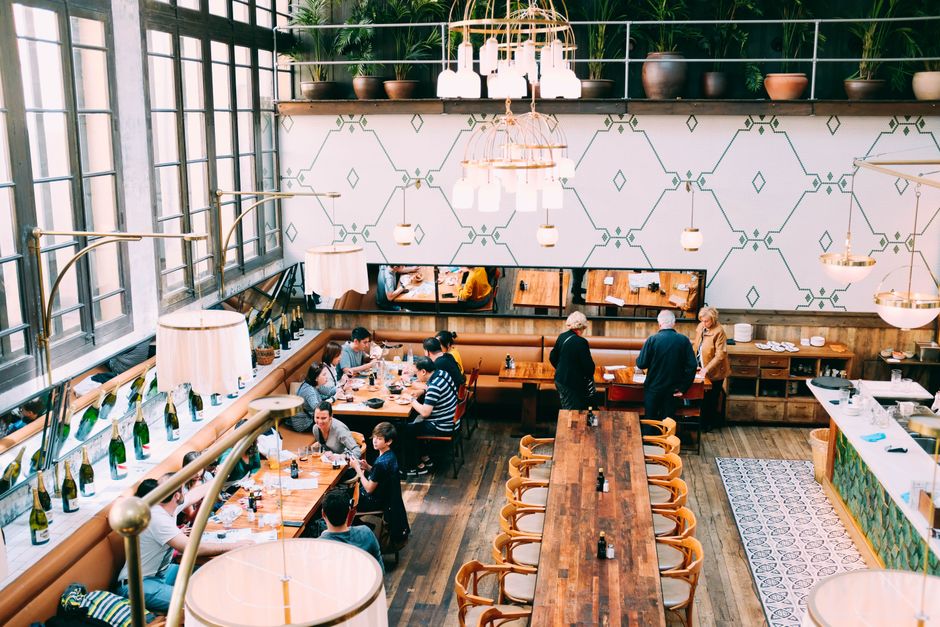
Restaurant interior design goes beyond mere decoration; it involves a strategic approach to creating an environment that resonates with patrons. The first step is to understand the target audience and the type of dining experience the establishment aims to provide. For instance, a fine dining restaurant may opt for elegant and sophisticated designs, while a casual eatery may embrace a more relaxed and vibrant aesthetic.
Effective interior design also considers the flow of the space. A well-planned layout allows for smooth movement between tables, the bar, and the kitchen, ensuring that both guests and staff can navigate comfortably. This is essential in enhancing the overall dining experience and operational efficiency.
Incorporating elements such as acoustics and lighting is equally important. Good acoustics can minimize noise distractions, while appropriate lighting sets the mood and showcases the food effectively. These considerations help in crafting a welcoming atmosphere that encourages patrons to linger and enjoy their meals.
Choosing the Right Style and Theme
When it comes to restaurant interior design, the choice of style and theme is paramount. This decision should align with the restaurant’s concept and target market. For instance, a farm-to-table restaurant might choose rustic elements with wooden furniture and earthy tones to reflect its commitment to sustainability.
On the other hand, a modern fusion restaurant may opt for sleek lines, contemporary artwork, and a minimalist approach. These design choices not only enhance the dining atmosphere but also create a visual brand identity that customers can recognize and connect with.
Furthermore, incorporating local culture and heritage into the design can create a unique dining experience. This not only attracts tourists but also resonates with local customers, fostering a sense of community and belonging.
Color Psychology in Restaurant Design
Color plays a significant role in how customers perceive a restaurant. Different colors elicit different emotions and reactions. For example, warm colors like red and yellow can stimulate appetite and encourage social interaction, making them popular choices for many dining establishments.
Conversely, cooler colors like blue and green can evoke a sense of calm and relaxation. These colors may be suitable for cafes or restaurants aiming to provide a tranquil dining experience. Understanding color psychology is essential for restaurant owners and designers to craft an environment that aligns with their brand and the dining experience they wish to offer.
Additionally, it’s important to consider how colors can complement the restaurant’s menu. For example, a seafood restaurant might incorporate shades of blue to reflect the ocean, while a steakhouse could use rich earthy tones to evoke a sense of warmth and comfort.
The Role of Furniture and Layout
Furniture selection is another critical aspect of restaurant interior design. The right furniture not only enhances the aesthetic appeal of the space but also contributes to the comfort and overall dining experience. Tables and chairs should be selected based on the type of service provided, whether it’s casual dining, fine dining, or fast-casual.
Moreover, the arrangement of furniture can significantly impact the space’s functionality. For example, using booth seating can create an intimate setting for couples, while communal tables encourage social interaction among larger groups. The layout should facilitate easy movement for both guests and staff, ensuring that service flows smoothly.
Incorporating flexible furniture options can also be beneficial for restaurants aiming to host events or accommodate varying group sizes. This adaptability allows the space to be utilized efficiently, maximizing seating capacity without compromising comfort.
Lighting: Setting the Mood
Lighting is a powerful tool in restaurant interior design, as it can dramatically alter the ambiance of a space. Different types of lighting can be used to create various moods, from bright and lively to soft and intimate. For instance, pendant lights and chandeliers can serve as focal points, while dimmable fixtures allow for adjustments throughout the day.
Natural lighting should also be a consideration in design. Large windows and skylights can enrich the dining experience by bringing the outdoors in, creating a bright and inviting atmosphere. However, managing natural light during peak hours is essential to ensure comfort for guests.
Strategically placed accent lighting can highlight artwork or architectural features, adding depth and interest to the overall design. This attention to detail not only enhances the visual appeal but also reinforces the restaurant’s brand identity.
Conclusion: The Impact of Thoughtful Design
In conclusion, restaurant interior design is a multifaceted discipline that requires careful consideration of various elements, including layout, style, color, furniture, and lighting. A well-designed space can significantly enhance the dining experience, attracting and retaining customers while reflecting the restaurant’s brand and values. As the industry continues to evolve, staying informed about design trends and customer preferences will be essential for restaurant owners and designers alike. By prioritizing thoughtful and strategic design choices, restaurants can create memorable spaces that leave a lasting impression on patrons. To delve deeper into the intricacies of restaurant interior design, exploring different styles and trends can provide valuable insights for creating exceptional dining environments.