
In the ever-evolving world of fashion, private label clothing has emerged as a powerful tool for retailers and entrepreneurs looking to carve their niche in a competitive market. This approach allows businesses to offer unique products under their brand without the complexities of manufacturing. As consumer preferences shift towards personalized experiences, understanding the dynamics of private label clothing can lead to significant opportunities for growth and profitability.
What is Private Label Clothing?
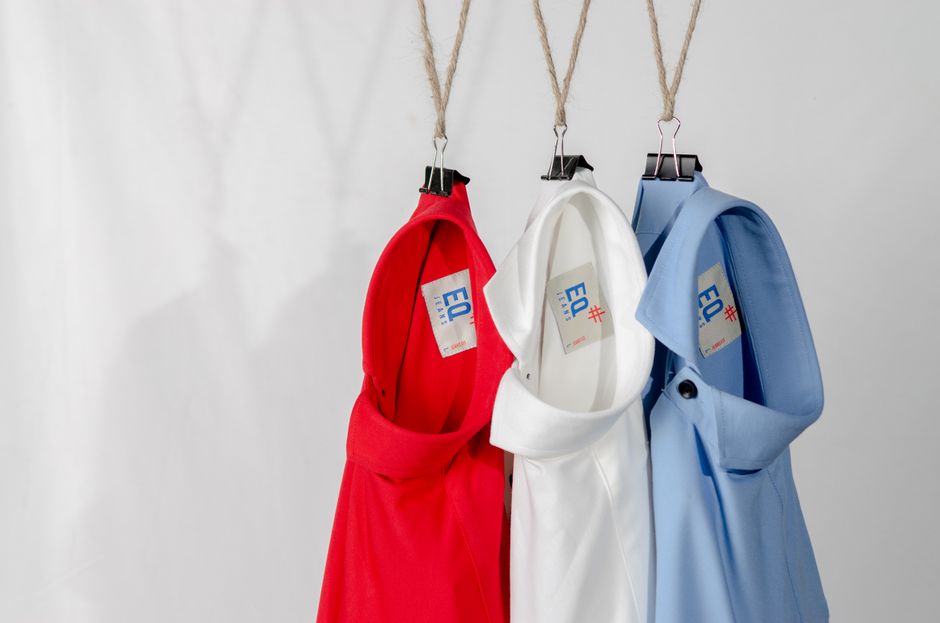
Private label clothing refers to garments produced by one company for sale under another company’s brand. Retailers can choose from various manufacturers to create clothing that reflects their brand identity. This model enables retailers to control the quality, design, and pricing of their products while avoiding the extensive costs associated with traditional retail models.
For instance, a small boutique can partner with a manufacturer to create a unique line of dresses that are exclusive to their store. This not only enhances their brand but also attracts customers looking for something different in the marketplace. The rise of e-commerce has further fueled the growth of private label clothing, as online platforms provide easier access to manufacturers worldwide.
The Advantages of Private Label Clothing
One of the most significant benefits of private label clothing is the potential for higher profit margins. Retailers can set their pricing, which often leads to better profitability compared to selling third-party brands. According to a recent study, private label products can yield up to 40% higher margins than branded products, making them a lucrative option for retailers.
Another advantage is the ability to create a unique brand identity. By offering private label clothing, retailers can differentiate themselves from competitors. This strategy is particularly effective in niche markets where consumers are looking for specialized products that cater to their specific needs.
How to Choose the Right Manufacturer
Selecting the right manufacturer is crucial for the success of a private label clothing line. Retailers should consider factors such as production capabilities, minimum order quantities, and lead times. It’s essential to conduct thorough research and possibly visit manufacturing facilities to ensure quality standards are met.
Additionally, communication is key. Establishing a good relationship with the manufacturer can lead to better collaboration and innovation. Retailers should also seek feedback from their customers to understand what designs and styles resonate most, allowing for adjustments in future production runs.
Marketing Your Private Label Clothing
Once the clothing line has been developed, the next step is effective marketing. Building a strong online presence is essential in today’s digital age. Social media platforms, influencer partnerships, and targeted advertising can significantly boost visibility and sales.
Furthermore, storytelling plays a vital role in branding. Sharing the journey of how the clothing line was created, the values behind the brand, and the unique features of the products can create a deep connection with consumers. For example, a retailer focusing on sustainability can highlight their eco-friendly practices in their marketing campaigns.
Challenges of Private Label Clothing
Despite the numerous advantages, private label clothing also presents challenges. Retailers must remain vigilant about market trends and consumer preferences to avoid unsold inventory. Additionally, quality control is paramount; any inconsistency in product quality can damage the brand’s reputation.
Moreover, competition is fierce. As private label clothing gains popularity, more retailers enter the market, making it crucial for businesses to continuously innovate and adapt to maintain their competitive edge. Analyzing sales data and consumer feedback can provide valuable insights for continuous improvement.
Conclusion
Private label clothing offers exciting opportunities for retailers to establish their brands and achieve higher profit margins. By understanding the intricacies of this model—from selecting the right manufacturer to effective marketing strategies—businesses can navigate the complexities of the fashion industry with confidence. Embracing the private label approach not only enhances brand identity but also empowers retailers to meet the ever-changing demands of consumers. For those looking to explore further, resources like private label clothing platforms can provide valuable insights and connections to manufacturers.