
The kitchen is often referred to as the heart of the home, a place where culinary creativity flourishes, and memorable moments are shared. However, over time, even the most cherished kitchens can feel outdated or cramped. Kitchen remodeling presents an exciting opportunity to breathe new life into this vital space. Whether you’re looking to enhance functionality, update aesthetics, or increase home value, a well-planned kitchen remodel can achieve all these goals and more.
Understanding the Basics of Kitchen Remodeling
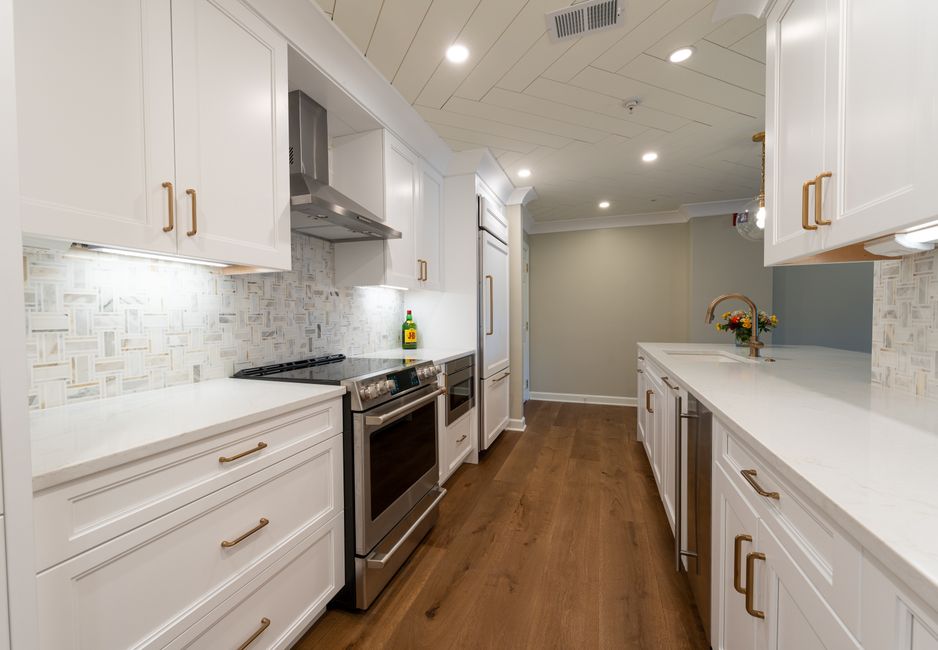
Before diving into the specifics of kitchen remodeling, it’s important to grasp the foundational elements that make up a successful project. Key aspects include layout, materials, appliances, and lighting. Each element contributes to the overall functionality and design of the kitchen. For instance, the layout should promote efficient movement between key areas such as the stove, sink, and refrigerator, often referred to as the work triangle.
According to the National Kitchen and Bath Association, a well-designed kitchen can yield up to a 70% return on investment. This statistic highlights the importance of thoughtful planning, as it can significantly impact both daily use and the resale value of your home.
Many homeowners start by identifying their needs and preferences. Do you require more storage? Would you like a larger cooking area? Understanding these requirements can guide your design choices and help prioritize elements in your remodel.
Choosing the Right Layout
The layout of your kitchen is crucial in maximizing both space and efficiency. Traditional layouts include the U-shape, L-shape, and galley designs, each catering to different spatial constraints and user preferences. For example, a U-shaped kitchen provides ample countertop space and storage, making it ideal for larger families or those who enjoy cooking.
In contrast, an L-shaped kitchen can create an open concept feel, allowing for seamless integration with dining or living areas. If space is limited, a galley kitchen may be the best choice, utilizing parallel countertops to create a functional cooking zone.
Incorporating an island is also a popular trend in kitchen remodeling. Not only does it provide additional workspace, but it can also serve as a casual dining area or a gathering spot for family and friends. When considering an island, ensure it complements your kitchen’s workflow and doesn’t obstruct movement.
Materials and Finishes: Making the Right Choices
The materials you choose for your kitchen remodel can significantly affect both the look and durability of the space. Common materials for countertops include granite, quartz, and laminate, each offering distinct advantages. Granite is celebrated for its natural beauty and resilience, while quartz provides a wide range of colors and patterns with low maintenance.
Cabinets, often the focal point of kitchen design, can be crafted from various woods, laminates, or metals. Investing in quality cabinetry not only enhances aesthetics but also ensures longevity. Additionally, don’t overlook the importance of hardware; knobs and pulls can add a stylish touch to your cabinets.
Flooring is another critical consideration. Popular options include hardwood, tile, and vinyl, each providing unique benefits in terms of appearance, maintenance, and comfort. For instance, tile is resistant to water and stains, making it a practical choice for kitchens.
Lighting: Enhancing Ambiance and Functionality
The right lighting can transform a kitchen, creating an inviting atmosphere while enhancing functionality. A layered lighting approach is recommended, combining ambient, task, and accent lighting. Ceiling fixtures can provide general illumination, while under-cabinet lighting can brighten workspaces for food prep.
Consider incorporating dimmer switches to adjust the lighting based on the time of day or mood. Pendant lights over an island or dining area can also serve as a stylish focal point, adding personality to your kitchen’s design.
Natural light should not be overlooked, as it can make a kitchen feel larger and more welcoming. If possible, consider adding windows or skylights to enhance daylighting.
Final Touches: Personalizing Your Kitchen
Once the major components of your kitchen remodel are complete, it’s time to add those personal touches that reflect your style. This can include paint colors, decorative elements, and functional accessories that enhance the space. For example, open shelving can display beautiful dishware or cookbooks, while colorful backsplashes can add a pop of personality.
Additionally, incorporating smart technology into your kitchen can improve efficiency and convenience. From smart refrigerators to automated lighting systems, these advancements can elevate your kitchen experience.
As you finalize your remodel, consider how the space will be used. Creating areas for cooking, dining, and entertaining can help ensure that your kitchen meets all your needs and becomes a favorite space in your home.
For those embarking on kitchen remodeling, it’s essential to approach the project with a clear plan and vision. By considering layout, materials, lighting, and personal style, you can create a kitchen that is both functional and aesthetically pleasing.
Conclusion
Kitchen remodeling is an opportunity to transform your home’s most essential space into a functional and beautiful area that meets your needs and reflects your personality. By understanding the basics of layout, material selection, lighting, and personal touches, you can embark on a remodel that not only enhances your daily life but also increases your home’s value. Remember to take your time in planning and consider consulting with professionals to ensure the best results. With the right approach, your dream kitchen is within reach.