
The restaurant industry is a vibrant and competitive field where the ambiance and aesthetic appeal play a crucial role in attracting and retaining customers. A thoughtfully designed interior can enhance the dining experience, making it memorable and inviting. This article explores the essential elements of restaurant interior design and how they contribute to the overall success of a dining establishment.
The Importance of First Impressions
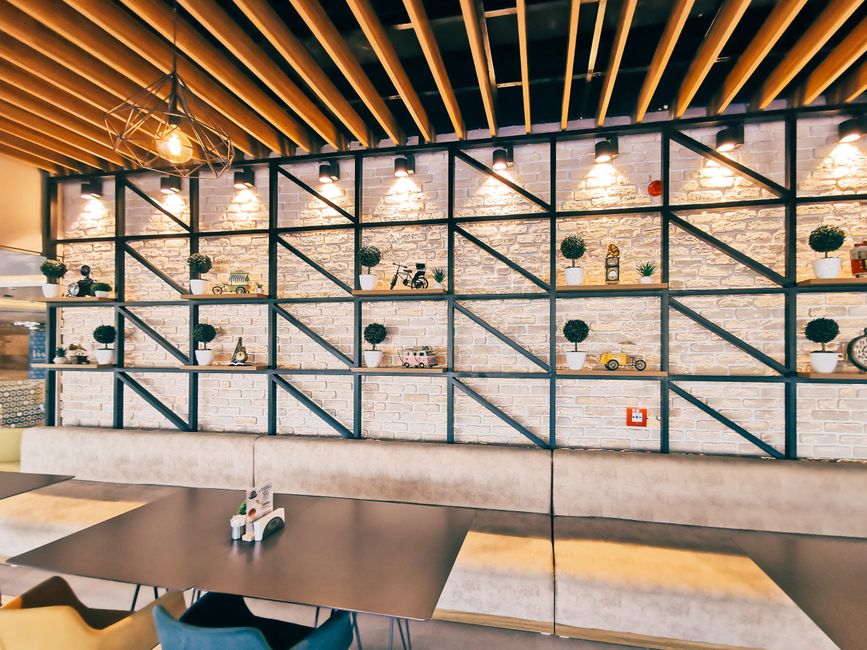
When customers enter a restaurant, their first impression is often influenced by the interior design. Studies show that it takes only a few seconds for patrons to form an opinion about a space. Therefore, investing in quality interior design can significantly impact a restaurant’s reputation and customer retention rates. Elements such as lighting, color schemes, and furniture arrangement all play a vital role in creating a welcoming atmosphere.
For instance, warm lighting can create an intimate setting, ideal for romantic dinners, while bright, vibrant colors may attract a younger crowd looking for a lively atmosphere. The layout of furniture can also guide customers’ movement and interactions, enhancing their overall experience. In this context, effective restaurant interior design is not merely an aesthetic choice but a strategic business decision.
Key Elements of Restaurant Interior Design
Successful restaurant interior design incorporates various key elements that work harmoniously to create an appealing environment. These include color, lighting, furniture, and accessories. Each component must reflect the restaurant’s brand and concept.
Color psychology plays a significant role in how customers perceive a space. For example, red and yellow are known to stimulate appetite, making them popular choices for fast-food chains. In contrast, blue is often avoided as it is thought to suppress hunger. Additionally, lighting can set the mood; dim lighting is often used in fine dining, while bright lighting is preferred in casual dining.
Furniture selection is equally crucial. Comfortable seating encourages customers to linger, increasing the likelihood of additional orders. Furthermore, the style of furniture should align with the theme of the restaurant, whether it’s rustic, modern, or vintage. Accessories such as artwork, plants, and decor items can add character and warmth to the space, making it unique and memorable.
Trends in Restaurant Interior Design
The restaurant industry is constantly evolving, and so are the trends in interior design. One prominent trend is the use of sustainable materials and eco-friendly designs. Many restaurants are opting for reclaimed wood, recycled materials, and energy-efficient lighting to appeal to environmentally conscious consumers.
Another trend is the incorporation of technology in the dining experience. Interactive tables and digital menus are becoming more common, enhancing customer engagement. Furthermore, open kitchens and transparent cooking areas are gaining popularity as they offer a unique glimpse into the culinary process, fostering a connection between chefs and patrons.
Moreover, many establishments are embracing a blend of indoor and outdoor spaces. Biophilic design, which emphasizes natural elements, is not only aesthetically pleasing but also beneficial for customer well-being. Incorporating plants and natural light can create a refreshing atmosphere that enhances the dining experience.
The Role of Branding in Interior Design
Restaurant interior design is closely tied to branding. A well-designed space should resonate with the restaurant’s identity and target audience. For example, a high-end steakhouse will have a different design approach compared to a casual diner. The interior should communicate the restaurant’s values and ethos through its design choices.
Logos, color palettes, and design motifs should be consistent throughout the space, creating a cohesive experience for customers. This includes everything from the menu design to the staff uniforms. A strong brand presence can help differentiate a restaurant in a crowded market and foster customer loyalty.
Furthermore, storytelling through design is an effective way to engage customers. Restaurants that incorporate local culture, history, or culinary traditions into their decor create a unique narrative that resonates with diners. This not only enhances the dining experience but also builds a deeper connection with the community.
Final Thoughts on Restaurant Interior Design
In conclusion, restaurant interior design is a multifaceted discipline that requires careful consideration of various elements. From creating an inviting atmosphere to reinforcing brand identity, the design of a restaurant plays a pivotal role in its success. By staying abreast of trends and understanding customer preferences, restaurateurs can create spaces that not only attract diners but also encourage them to return.
For those looking to delve deeper into the intricacies of restaurant interior design, exploring case studies and consulting with experts can provide invaluable insights. As the dining landscape continues to evolve, investing in thoughtful design will remain a key factor in standing out in a competitive market.