
In the ever-evolving landscape of agriculture, crop insurance has emerged as a vital tool for farmers aiming to safeguard their livelihoods. As climate change poses increasing risks to agricultural production, understanding the intricacies of crop insurance becomes essential for farmers, policymakers, and stakeholders alike. This article delves into what crop insurance is, its significance, different types available, and how it can mitigate risks associated with farming.
What is Crop Insurance?
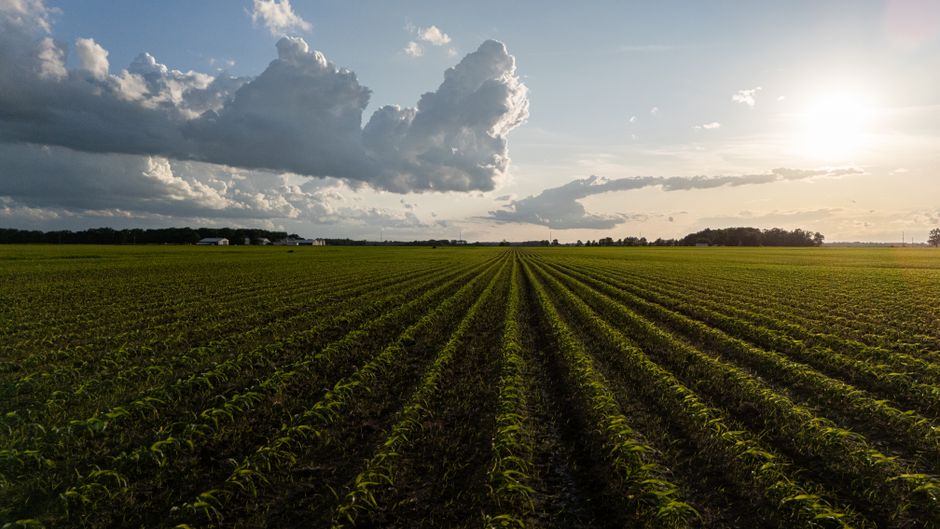
Crop insurance is a type of insurance that provides financial protection to farmers against potential losses caused by unforeseen events such as natural disasters, pests, diseases, and market fluctuations. It acts as a safety net, allowing farmers to recover some of their losses and continue their operations even when faced with challenging circumstances. The concept of crop insurance has been around for decades, yet its importance has surged in recent years due to the increasing unpredictability of weather patterns and other agricultural risks.
Farmers can choose from various policies, each tailored to different needs and risk profiles. These policies generally fall into two main categories: yield insurance and revenue insurance. Yield insurance compensates farmers for the loss of production, while revenue insurance covers losses in income due to decreased prices or reduced yields.
The Importance of Crop Insurance
One of the primary reasons crop insurance is crucial for farmers is the financial security it offers. Agriculture is inherently risky, and unexpected events can lead to devastating consequences. For instance, according to the U.S. Department of Agriculture, natural disasters such as droughts and floods have caused billions in losses over the years. Crop insurance helps mitigate these risks by providing a financial buffer that can ease the burden of such losses.
Furthermore, crop insurance plays a significant role in stabilizing rural economies. When farmers are protected against substantial losses, they are more likely to invest in their operations, purchase supplies, and contribute to their local economies. This investment not only benefits the farmers themselves but also creates jobs and stimulates economic growth in rural communities.
Types of Crop Insurance
There are several types of crop insurance available to farmers, each designed to address different risks and circumstances. Some of the most common types include:
- Multi-Peril Crop Insurance (MPCI): This is the most comprehensive form of crop insurance, covering a wide array of risks, including weather-related events, pests, and diseases.
- Crop-Hail Insurance: This type specifically covers damages caused by hail, which can be particularly devastating to certain crops.
- Revenue Insurance: As mentioned earlier, this protects against loss of income due to declines in both yield and market prices.
Each type of insurance has its own set of eligibility requirements, cost structures, and coverage limits, making it essential for farmers to thoroughly assess their needs and select the appropriate policy. Consulting with an insurance agent who specializes in agriculture can provide valuable insights into the best options available.
How to Choose the Right Crop Insurance
Selecting the right crop insurance policy requires careful consideration of various factors. Farmers should start by evaluating their specific risk exposure, including the types of crops they grow, their geographic location, and historical loss data. Understanding local climate conditions and market trends can also inform the decision-making process.
Additionally, it is important to consider the timing of purchasing insurance. Many crop insurance policies have enrollment deadlines that coincide with planting seasons, so farmers must stay informed to ensure they are adequately covered. Comparing different policies and their premiums can also help farmers find a suitable balance between coverage and costs.
Moreover, farmers should be aware of any government programs or subsidies that may be available to help offset insurance costs. In many countries, including the United States, federal programs exist to make crop insurance more accessible and affordable for farmers.
Conclusion
In conclusion, crop insurance is an essential component of modern agriculture, providing farmers with a safety net against the uncertainties of farming. As the agricultural sector continues to face challenges from climate change and market volatility, understanding and leveraging crop insurance will be vital for sustaining farming operations. By choosing the right policy and remaining informed about their options, farmers can protect their livelihoods and contribute to the resilience of rural economies.
To learn more about crop insurance and its benefits, visit crop insurance.