
Crop insurance is a critical component of risk management for farmers, providing them with a safety net against unpredictable weather conditions, pests, and diseases. As agriculture faces increasing challenges from climate change and market volatility, understanding the nuances of crop insurance can help farmers safeguard their livelihoods. In this article, we will explore the different types of crop insurance, their benefits, and how they can be effectively integrated into a farmer’s overall risk management strategy.
Types of Crop Insurance
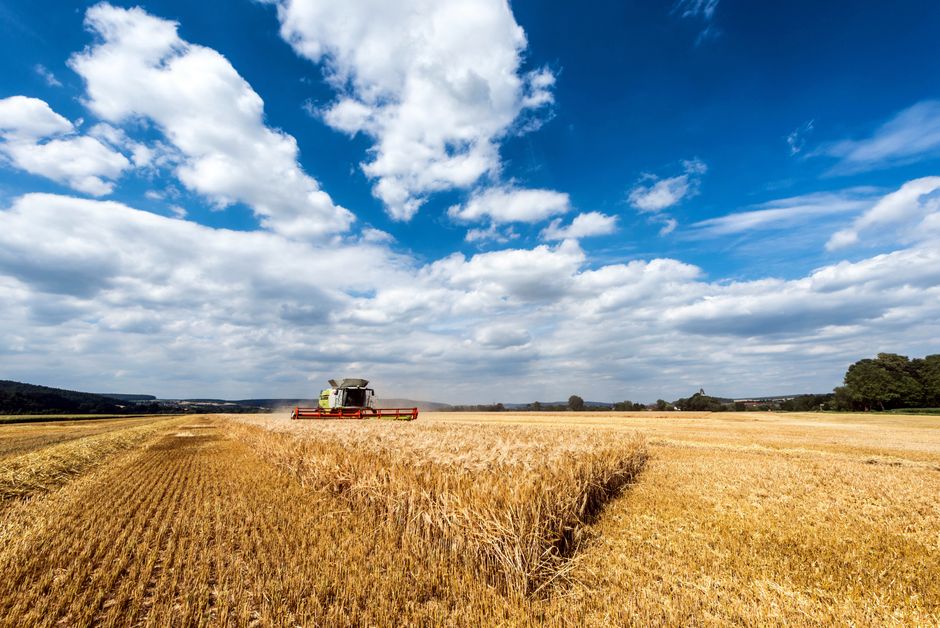
There are primarily two types of crop insurance: Actual Production History (APH) and Revenue Protection (RP). APH insurance provides coverage based on the historical yields of a specific crop, while RP offers coverage against a decline in revenue caused by lower yields or falling market prices. Farmers can choose the type of insurance that best suits their individual needs and risk tolerance.
Additionally, there are specialized insurance products, such as Whole-Farm Revenue Protection, which covers all crops grown on a farm under one policy. This type of insurance is particularly beneficial for diversified farms that grow multiple types of crops.
Benefits of Crop Insurance
One of the primary benefits of crop insurance is its ability to provide financial stability to farmers during times of crisis. For instance, if a drought occurs and a farmer’s yield is significantly reduced, crop insurance can help cover the loss, allowing the farmer to maintain their operations and recover more quickly.
Moreover, having crop insurance can also enhance a farmer’s access to credit. Lenders are often more willing to provide loans to farmers who have insurance coverage, as it reduces the financial risk associated with lending. This can be crucial for farmers looking to invest in new technology or expand their operations.
How to Choose the Right Crop Insurance
When selecting crop insurance, farmers should consider several factors, including the crops they grow, their farming practices, and their financial situation. It is also essential to review the coverage options carefully and understand the terms and conditions of each policy.
Consulting with an insurance agent who specializes in agricultural insurance can provide valuable insights and help farmers make informed decisions. Additionally, farmers should stay updated on any changes in government policies regarding crop insurance, as these can impact their coverage options and costs.
Government Programs and Subsidies
In many countries, governments provide subsidies for crop insurance premiums, making it more affordable for farmers. For example, in the United States, the Federal Crop Insurance Corporation (FCIC) offers subsidized premiums for various types of crop insurance. This support can significantly reduce the financial burden on farmers and encourage them to purchase insurance.
Farmers should take advantage of these government programs, as they can help mitigate risks associated with farming and enhance overall productivity. Staying informed about available subsidies and application processes is crucial for maximizing the benefits of crop insurance.
Conclusion
In conclusion, crop insurance is an indispensable tool for farmers aiming to protect their livelihoods against unforeseen risks. By understanding the different types of insurance available, their benefits, and how to choose the right policy, farmers can make informed decisions that will help secure their financial future. Embracing crop insurance not only aids in individual risk management but also contributes to the stability and sustainability of the agricultural sector as a whole. For more detailed information, you can check out crop insurance resources that can guide you in making the best choices for your farming operations.